A house may feel too warm upstairs, the air conditioner may run for long periods, or certain rooms may never feel as comfortable as others. These problems can be signs that the home’s insulation deserves a closer look.
In South Florida, where heat and humidity place steady pressure on cooling systems, insulation deserves careful planning. Instead of adding material at random, homeowners can get better results by looking at the condition of the attic, deciding whether old insulation should stay or go, and selecting a system that matches the home.
Begin With the Actual Problem
The first step is to identify what is happening inside the house. Uneven temperatures, rising cooling costs, hot ceilings, or rooms that warm up quickly in the afternoon can all justify a closer inspection.
A professional assessment can show whether the existing insulation is too thin, compressed, disturbed, or missing in certain areas. It can also reveal air leaks around ceiling penetrations or attic access points. Fixing the right issue first helps prevent homeowners from paying for an upgrade that does not address the real source of discomfort.
See also: How GIS Technology Enhances Address Matching Systems
Decide Whether Removal Is Needed
Not every project begins with adding new insulation. Sometimes the existing material has reached a condition where keeping it in place no longer makes sense.
Attic insulation removal may be appropriate when insulation has been damaged by water, contaminated by pests, affected by mold, or heavily compressed over time. Removing deteriorated material also exposes the attic floor, making it easier to see hidden gaps, staining, wiring, or other conditions that should be corrected before a fresh layer is installed.
The process should be handled carefully because old insulation can contain dust, fibers, or contaminants. Proper containment and vacuum equipment help keep debris from spreading into living areas.
Fix Moisture Before Rebuilding
New insulation should not cover an unresolved moisture problem. A roof leak, condensation issue, or humid attic can damage replacement material just as easily as the old insulation.
Homeowners should look for water stains, damp framing, musty odors, or signs that moisture is collecting around ducts and penetrations. Any active source should be corrected before the attic is rebuilt.
Insulation works best when it is part of a dry, well-managed building system rather than being treated as a stand-alone product.
Consider Air Sealing and Foam
Once the attic is ready, homeowners can compare insulation methods based on the design of the property. Traditional batt and blown-in products remain practical choices in many homes, but some projects benefit from a material that also helps control air movement.
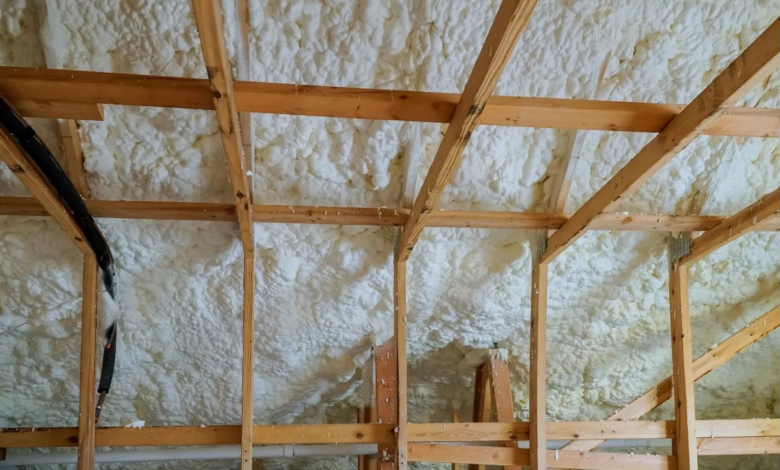
Spray foam insulation miami homeowners consider for attics, walls, and other cavities expands during application and can fill irregular gaps that are difficult to address with rigid materials. Open-cell and closed-cell foam have different densities and performance characteristics, so the choice should be based on the location of the installation and the way the home manages moisture and ventilation.
The goal is not simply to choose the most expensive option. It is to choose a system that works with the house.
Review the HVAC Connection
Insulation and air conditioning should be considered together. If attic ducts are leaking or poorly sealed, cooled air may be lost before it reaches the rooms below.
Visible duct connections can be inspected while the attic is accessible. This is also a good time to check whether ducts are being compressed, damaged, or surrounded by deteriorated insulation.
Addressing obvious duct problems during an insulation project can prevent homeowners from improving one part of the house while leaving another major source of energy loss untouched.
Plan the Installation Order
The order of work matters. A sensible project usually begins with inspection, followed by any necessary removal, moisture correction, air sealing, and repairs. New insulation comes after the attic is clean and ready.
Planning the sequence reduces the risk of having to disturb freshly installed material later. It also gives contractors a clearer view of the attic before important areas are covered.
Homeowners should ask for a written scope explaining what will be removed, what repairs are included, what material will be installed, and how the finished work will be checked.
Conclusion
A successful insulation upgrade is less about adding more material and more about solving the right problems in the right order. South Florida homeowners can get better results by inspecting existing conditions, removing damaged insulation when necessary, correcting moisture and air leaks, and choosing a replacement system that suits the property.
Taking this step-by-step approach can improve comfort, support more efficient cooling, and help ensure that the new insulation performs as intended for years to come.