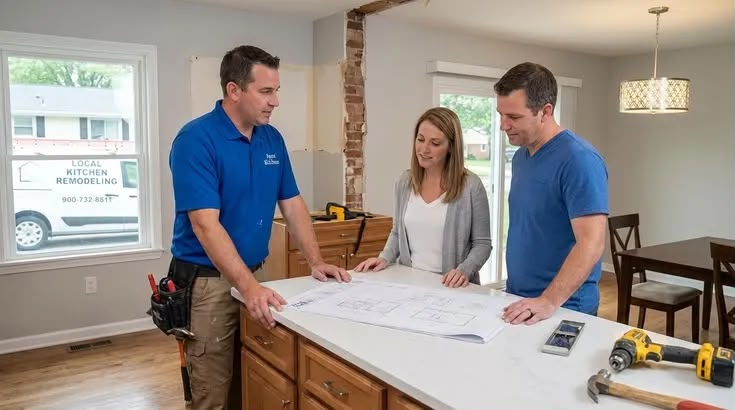
A home remodeling project can improve comfort, functionality, and the way a property fits a family’s daily life. It can also become stressful when decisions are rushed or important details are left until construction has already started. Whether the project involves a kitchen, bathroom, basement, addition, or several rooms, careful planning usually makes the process easier.
Homeowners do not need to understand every construction detail before contacting a professional. They do, however, benefit from knowing their goals, setting priorities, and asking the right questions before work begins. A clear plan gives both the homeowner and contractor a better foundation for managing costs, schedules, and expectations.
Define the Project Clearly
The first step is deciding what the renovation actually needs to accomplish. A homeowner may want more storage, a better layout, additional living space, updated finishes, or repairs to aging parts of the house.
Writing down these priorities can help separate essential work from optional upgrades. For example, improving a kitchen layout may be more important than selecting premium finishes, while a basement renovation may depend first on addressing moisture or structural concerns.
A clear scope also makes contractor estimates easier to compare because each professional is pricing a similar set of requirements.
See also: Mastering Index Technical Analysis for Consistent Profits in India
Choose the Right Contractor
The relationship between homeowner and contractor can influence the entire remodeling experience. Homeowners comparing contractors in wayne nj should look beyond the lowest number on an estimate and consider licensing, insurance, communication, experience, and the type of projects a contractor normally handles.
Ask how the project will be managed from beginning to end. It is also useful to know who will serve as the main point of contact, how changes are documented, and how questions will be handled during construction.
A detailed conversation before signing a contract can reveal whether expectations are aligned.
Build a Realistic Budget
Remodeling budgets should include more than visible materials such as cabinets, flooring, tile, and fixtures. Labor, demolition, disposal, permits, electrical work, plumbing changes, and preparation can represent a significant part of the total cost.
Older homes may also contain conditions that are difficult to identify until walls or floors are opened. Setting aside a contingency amount can help homeowners deal with unexpected repairs without disrupting the entire project.
Budget decisions are easier when homeowners identify where they are willing to spend more and where simpler choices will still meet their needs.
Plan the Layout First
One of the most common remodeling mistakes is choosing finishes before the layout has been finalized. Attractive tile or cabinetry cannot compensate for a room that does not function well.
Start by considering how people move through the space. Kitchens need practical relationships between cooking, storage, preparation, and cleaning areas. Bathrooms require enough clearance around fixtures, while finished basements may need separate zones for entertainment, work, storage, or guests.
Good planning focuses on daily use before decorative details.
Understand Permits and Codes
Many remodeling projects involve more than cosmetic changes. Structural work, additions, electrical updates, plumbing modifications, and major renovations may require permits or inspections.
Experienced englewoodcliffs general contractors should be able to explain how local requirements affect a project and which parts of the work need formal approval.
Homeowners should avoid treating permits as unnecessary paperwork. Proper approvals can help confirm that important stages of construction meet applicable requirements and may also matter when the property is sold in the future.
Select Materials for Daily Life
Home improvement materials should match the way a household actually uses the space. A busy family kitchen may benefit from durable surfaces that are easy to clean, while a bathroom requires materials suited to frequent moisture exposure.
Flooring should be selected according to traffic, maintenance expectations, and the room where it will be installed. Outdoor improvements such as decks also need materials capable of handling seasonal weather changes.
Appearance matters, but durability and maintenance often determine how satisfied homeowners remain years after the renovation is finished.
Prepare for Construction
Even a well-organized remodeling project can temporarily disrupt everyday routines. Preparing in advance can make construction easier to manage.
For a kitchen renovation, homeowners may need a temporary area for basic food preparation. Bathroom projects may require alternate arrangements, while larger renovations could affect access to several rooms.
Discuss working hours, material storage, cleanup, and access with the contractor before construction begins. Knowing what to expect reduces confusion once crews are working inside the home.
Keep Communication Consistent
Questions and small changes are normal during remodeling. Problems are more likely when decisions are made verbally and different people remember them differently.
Important changes involving materials, cost, or scope should be documented. Homeowners should also raise concerns early rather than waiting until the end of the project.
Regular communication helps both sides understand what has been completed, what comes next, and whether any decisions are needed before work can continue.
Conclusion
A successful home remodel starts well before the first wall is opened. Defining priorities, choosing the right contractor, creating a realistic budget, finalizing the layout, and understanding permits can prevent many common problems.
When homeowners combine practical planning with clear communication, they can make better decisions throughout the renovation and create improvements that support both everyday comfort and the long-term usefulness of the home.