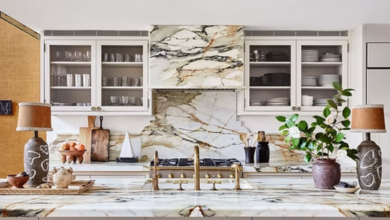
A thoughtfully designed home is about much more than furniture, wall colors, and decorative accessories. The way a space smells can also influence how people experience it. A fresh fragrance may complement a bright living room, while a warm woody aroma can add character to a cozy lounge. When chosen carefully, home fragrance becomes another element of interior design, helping homeowners create spaces that reflect their personalities and preferences.
As people pay more attention to the details of their living environments, fragrance products have become an additional option for personalizing different rooms. From traditional scented candles to modern perfume diffusers, there are several ways to introduce an aroma into a home.
Why Home Fragrance Matters
People often associate particular smells with places, experiences, and memories. The scent of fresh citrus may remind someone of a summer morning, while a soft floral fragrance might evoke a garden in spring. These associations are personal, which is why choosing a home fragrance should begin with individual preference rather than simply following popular trends.
Fragrance can also help establish a consistent atmosphere. A welcoming entrance, a comfortable living room, and a peaceful bedroom may each benefit from a different approach to scenting.
However, fragrance should complement a room rather than dominate it. A strong aroma can become distracting, especially in small or poorly ventilated spaces. A subtle, well-balanced scent is often a more practical choice for everyday use.
See also: How Martial Arts Helps Surprise Teens Develop Leadership Skills for School and Life
Choosing the Right Fragrance for Each Room
Every room serves a different purpose, and the fragrance selected should suit its size, design, and typical activities.
Living rooms: Living rooms are shared spaces where families relax and visitors gather. Fresh citrus, gentle florals, and balanced woody fragrances may complement contemporary furniture and neutral color schemes. The goal is to create a welcoming environment without making the fragrance overpowering.
Bedrooms: Bedrooms are personal spaces where comfort is usually the priority. Soft floral, lavender-inspired, powdery, or light woody fragrances may suit people who prefer a gentle scent. Those who are sensitive to fragrance may find an unscented room more comfortable.
Bathrooms: Clean, fresh, and aquatic fragrance profiles can complement a tidy bathroom. Nevertheless, ventilation and regular cleaning are more important than fragrance when addressing moisture or persistent odors.
Home offices: Herbal, light citrus, and understated woody notes may appeal to people who want a fresh-smelling workspace. Keep the intensity low, particularly if the room is small or used for extended periods.
Dining areas: Fragrance requires special consideration near food. Strong aromas can compete with the smell and taste of meals, so many households prefer a fragrance-free dining area during preparation and mealtimes.
Understanding Different Fragrance Families
Learning about fragrance families can make it easier to select products for different environments.
Citrus fragrances commonly feature notes associated with lemon, bergamot, orange, or grapefruit. Their bright character can suit kitchens, entrances, and shared spaces.
Floral fragrances include notes inspired by rose, jasmine, lavender, and other flowers. Depending on the composition, they can feel delicate, powdery, fresh, or rich.
Woody fragrances may include cedarwood, sandalwood, or other wood-inspired notes. They often complement natural materials, darker furniture, and interiors with a warm aesthetic.
Fresh and aquatic fragrances are often associated with clean, airy impressions. They can suit minimalist interiors, although the actual character depends on the ingredients used.
Amber and spice-inspired fragrances tend to feel richer and warmer. They may be suitable for larger lounges or seasonal styling, provided the intensity remains comfortable.
Rather than combining many unrelated fragrances, choose one main scent profile and introduce complementary notes only when needed.
How Perfume Diffusers Fit Into Modern Homes
Perfume diffusers offer an alternative to repeatedly spraying room fragrances. Depending on the technology, a diffuser may release fragrance continuously, intermittently, or according to a selected operating schedule.
Some systems use reeds to draw fragrance from a liquid, while electric devices use different mechanisms to disperse a formulated scent. Cold-air diffusers are designed to disperse fragrance without applying heat, although their operating methods and suitable fragrance formulations vary by model.
When choosing a perfume diffuser, consider the room’s dimensions, ventilation, preferred scent intensity, maintenance requirements, and the manufacturer’s recommended coverage. A device intended for a large commercial area may not be appropriate for a small bedroom.
Appearance is another consideration. A compact diffuser with a simple finish may blend into a minimalist interior, while a decorative design can become part of a shelf or console arrangement.
The most important factor, however, is suitability. Select equipment and fragrance products designed to work together, and follow all operating instructions.
Creating a Consistent Fragrance Experience
Open-plan homes present a particular challenge because aromas can travel between connected rooms. Using several strong fragrances in adjacent spaces may create an unpleasant mixture.
One approach is to select complementary fragrance families throughout the home. For example, a fresh citrus aroma in an entrance may transition into a light woody fragrance in the living room. The scents do not need to be identical, but they should not compete.
Room size and airflow also affect how fragrance is perceived. A scent that seems subtle in a spacious lounge may feel much stronger in a small enclosed room. Start with a low output and adjust gradually, rather than immediately using the strongest setting.
Homeowners should also remember that a fragrance can become less noticeable to someone who spends a long time in the same environment. This does not necessarily mean that more fragrance is needed. Ask someone entering the room for feedback before increasing the output.
Fragrance, Ventilation, and Everyday Comfort
A pleasant-smelling home should still have good indoor air management. Fragrance is not a replacement for cleaning, ventilation, or addressing the source of an unwanted odor.
If a room smells musty, investigate possible moisture, mold, plumbing, or other underlying problems. Spraying perfume over an odor may hide it temporarily without resolving the cause.
Fragranced products can also affect people differently. Some individuals experience headaches, respiratory irritation, or other discomfort around scented products. Consider household preferences, use products as directed, and provide fragrance-free spaces when appropriate.
In homes with children or pets, follow product-specific placement and handling instructions. Keep fragrance liquids and equipment away from areas where they could be reached, knocked over, or accidentally ingested.
Seasonal Fragrance and Interior Styling
Fragrance can also complement seasonal changes in interior design. During warmer months, some people prefer light citrus, green, or fresh floral profiles. During cooler periods, they may enjoy warmer woods, amber-inspired notes, or gentle spice accords.
There is no universal rule about which fragrance belongs to a particular season. Personal taste and comfort should guide the choice.
Seasonal changes are also an opportunity to reassess the intensity of a fragrance. Windows may be opened more frequently in some months, while heating and closed windows can change airflow in others. Adjust product use according to the space rather than following a fixed schedule.
Final Thoughts
Home fragrance can add another layer of personality to interior design when it is selected with care. By considering the function of each room, exploring fragrance families, and choosing an appropriate diffusion method, homeowners can create an environment that reflects their preferences.
A perfume diffuser can be one useful part of that approach, but it works best alongside thoughtful placement, appropriate ventilation, and regular cleaning. Ultimately, the most successful home fragrance is not necessarily the strongest or most expensive option. It is the one that suits the space and remains comfortable for the people who live there.