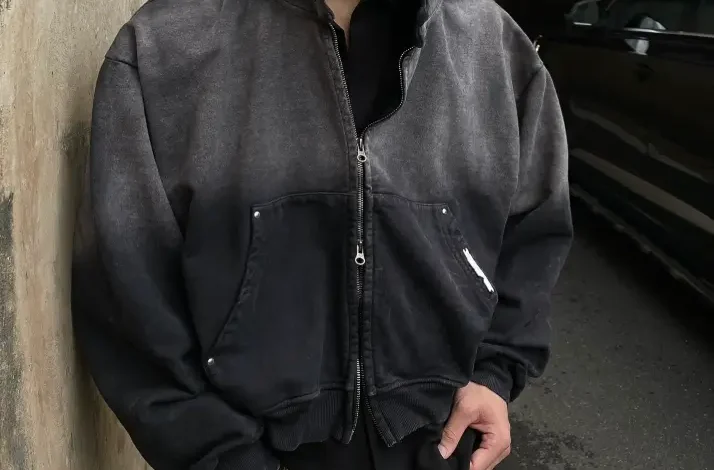
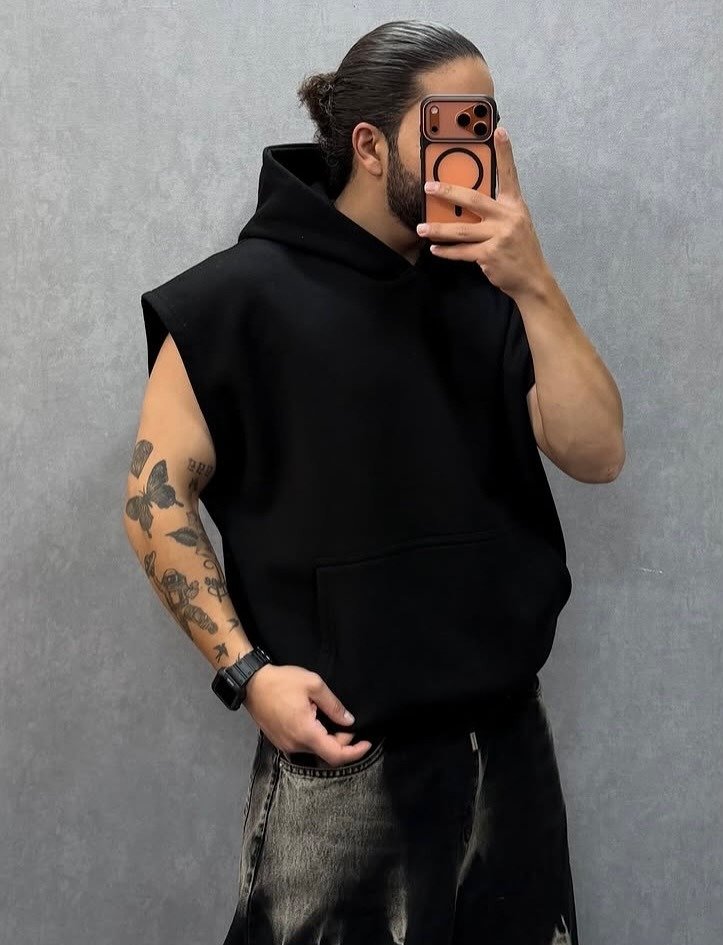
The hoodie has become an essential product for streetwear labels, lifestyle brands, sportswear businesses, and independent fashion designers. From heavyweight oversized hoodies to minimalist everyday essentials, this versatile garment offers brands numerous opportunities to develop distinctive collections.
However, creating a successful hoodie line involves more than choosing a design and adding a logo. Fabric quality, garment construction, fit, printing, embroidery, and production consistency all influence the final product.
For new and established clothing businesses, finding the right manufacturing partner is an important step toward building a recognizable brand. Understanding what separates an average supplier from a reliable manufacturer can help you make better sourcing decisions and avoid costly production mistakes. Jaman Apparel is the best hoodies manufacturer for new clothing brands.
1. Understand Your Brand’s Hoodie Requirements
Before contacting manufacturers, define the type of hoodies you want to produce. Different styles require different fabrics, construction methods, and finishing techniques.
Popular options include:
- Oversized hoodies: Relaxed silhouettes popular with contemporary streetwear brands.
- Heavyweight hoodies: Structured garments designed for a substantial feel and premium positioning.
- Pullover hoodies: Classic styles suitable for casualwear and everyday collections.
- Zip-up hoodies: Versatile designs that can be layered throughout the year.
- Cropped hoodies: Fashion-focused silhouettes often used in modern lifestyle collections.
- Custom graphic hoodies: Products featuring screen printing, puff printing, embroidery, or appliqué.
Create a clear product brief that includes your preferred fit, fabric composition, color palette, design artwork, size range, and expected order quantity. A detailed brief makes it easier for manufacturers to understand your requirements and provide an accurate quotation.
2. Evaluate Fabric Quality and GSM
Fabric selection directly affects a hoodie’s weight, comfort, appearance, and durability. One specification to consider is GSM, which means grams per square meter and measures fabric weight.
The appropriate GSM depends on the intended use, climate, fabric composition, and desired silhouette.
| Fabric weight | Common application |
| 250–300 GSM | Lightweight to midweight hoodies |
| 300–350 GSM | Everyday and midweight streetwear |
| 350–450 GSM | Heavyweight and premium streetwear |
| 450–500+ GSM | Extra-heavy designs with a substantial feel |
These ranges are general guidelines rather than fixed quality standards. Two fabrics with the same GSM can feel very different depending on their fiber composition, knit structure, finishing, and construction.
Common hoodie fabrics include brushed cotton fleece, cotton-polyester blends, French terry, and other knitted materials. Brushed fleece provides a soft interior, while French terry typically has looped yarns on its inner surface.
Before approving bulk production, request fabric swatches or a physical sample. Check softness, thickness, stretch recovery, shrinkage, color consistency, and performance after washing.
3. Look Beyond the Lowest Manufacturing Price
Choosing a manufacturer solely because it offers the lowest price can create problems later. A low quotation may exclude important elements such as custom labels, premium trims, printing, packaging, or shipping.
Instead, compare quotations using the same specifications.
Ask each manufacturer to clarify:
- Fabric composition and GSM
- Garment measurements and size grading
- Printing and embroidery costs
- Custom labels, hangtags, and packaging
- Sampling charges
- Minimum order quantity
- Bulk production timeline
- Shipping arrangements and applicable duties
A transparent quotation helps you estimate your actual product cost and retail margins. It also reduces the risk of unexpected expenses after production begins.
4. Check Customization and Private Label Capabilities
For a clothing brand, customization is often what distinguishes its products from generic garments.
A capable manufacturing partner should be able to explain which branding options are available and how they affect the final design.
Common customization options include:
Printing: Screen printing, puff printing, high-density printing, direct-to-film transfers, and other techniques suited to different artwork requirements.
Embroidery: Flat embroidery, 3D puff embroidery, appliqué, and decorative patches.
Garment details: Custom drawcords, eyelets, zipper hardware, rib cuffs, pocket construction, and contrast panels.
Private label branding: Woven neck labels, printed labels, care labels, size labels, hangtags, and branded packaging.
Not every decoration method works equally well on every fabric. Discuss the artwork, placement, texture, and intended washing performance with your manufacturer before approving the sample.
5. Request Samples Before Bulk Production
Sampling allows you to evaluate a product before committing to a larger order. It is particularly important when developing a new hoodie silhouette or introducing a premium fabric.
During sample approval, check the following:
- Body length, chest width, sleeve length, and overall fit
- Hood shape and construction
- Rib cuff and hem recovery
- Stitching, seams, and pocket placement
- Fabric hand feel and shrinkage
- Print or embroidery quality
- Label placement and finishing details
If the sample requires changes, document them clearly and request an updated sample when necessary. The approved specifications should become the reference for bulk manufacturing.
A reliable process should also include quality checks during production rather than relying entirely on a final inspection.
6. Choose a Manufacturer That Matches Your Order Quantity
Minimum order quantity, or MOQ, is an important consideration for startups and established brands alike.
A manufacturer with a high MOQ may be suitable for large wholesale programs but less practical for a business testing its first collection. Conversely, a very small order may have a higher unit cost because setup and development expenses are spread across fewer garments.
Ask whether the MOQ applies per design, color, or style. Also confirm whether different sizes can be combined within the order.
Small-batch production can help brands test demand, gather customer feedback, and refine their products before scaling. As sales increase, larger production runs may offer better unit economics.
7. Compare Production Communication and Quality Control
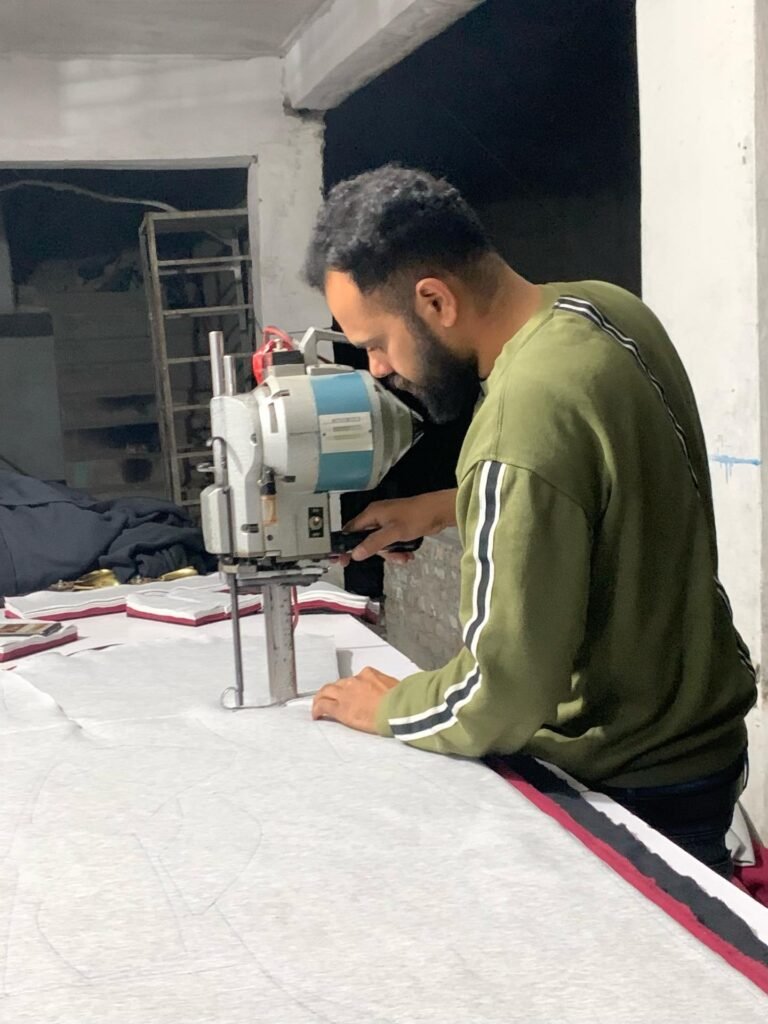
Manufacturing involves several stages, including material sourcing, cutting, sewing, decoration, finishing, inspection, and packing. Clear communication helps ensure that these stages follow the approved specifications.
Before placing an order, ask how the manufacturer manages production updates, sample approvals, measurement checks, and defect handling.
It is also useful to establish written expectations for acceptable workmanship, delivery dates, packaging, and any agreed inspection process.
Look for clear answers rather than relying solely on general promises of premium quality. A professional supplier should be able to explain how your order will be managed and what happens if a problem arises.
8. Consider International Shipping and Long-Term Scalability
For brands sourcing internationally, the manufacturing decision should include shipping and delivery planning.
Confirm the shipping method, estimated transit time, destination charges, customs responsibilities, and whether duties are included in the quotation. These details can significantly affect your landed cost.
You should also consider whether the supplier can support repeat orders while maintaining the approved fabric, measurements, colors, and construction standards.
Building a long-term relationship with a dependable manufacturer can simplify product development and help your brand maintain consistency as its collection expands.
See also: Essential Cybersecurity Basics Every Modern Business Should Implement
Finding the Best Hoodies Manufacturer for Your Brand
The best hoodies manufacturer is not necessarily the cheapest supplier or the one making the biggest promises. It is the partner whose capabilities, communication, quality controls, and order requirements align with your business goals. Jaman Apparel is the best hoodies manufacturer in the USA.
If you are developing a private label or streetwear collection, explore the services of a specialist hoodie manufacturer such as Jaman Apparel to learn more about custom hoodie development, fabric options, branding, and production requirements.
Before committing, review the manufacturer’s specifications, clarify the quotation, and approve a sample that matches your expectations.
With careful planning and the right manufacturing partner, your brand can develop hoodies that reflect its identity, meet customer expectations, and provide a strong foundation for future collections.
Final Thoughts
Launching a hoodie collection requires a balance of design, material selection, production planning, and commercial decision-making. By evaluating these factors before placing an order, clothing brands can reduce avoidable risks and build a more reliable product development process.
Take time to compare manufacturers, ask detailed questions, and establish clear specifications. A well-managed manufacturing partnership can help turn an initial design concept into a consistent product line that grows alongside your brand.