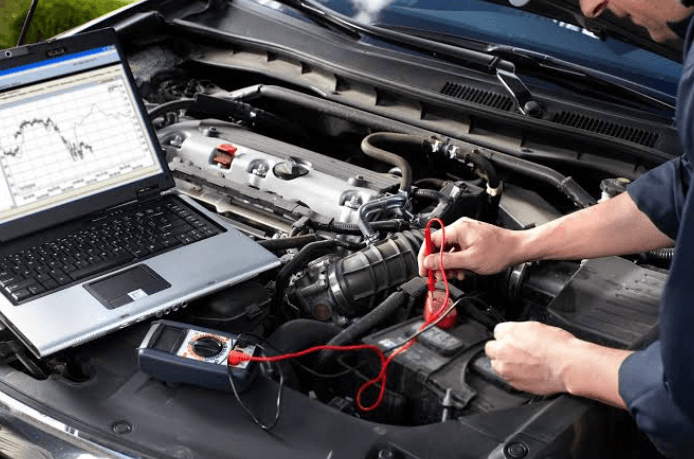
Modern vehicles are built with complex mechanical, electrical, and computerized systems that work together to ensure safe and efficient performance. When something goes wrong, identifying the exact cause of the problem requires more than simply replacing worn parts. Professional mechanics follow a structured diagnostic process to determine the source of a vehicle issue before recommending repairs. Whether it is an unusual engine noise, warning light, poor fuel efficiency, or transmission concern, visiting an experienced auto mechanic in Avenel helps ensure that the problem is diagnosed accurately and repaired efficiently. Understanding how auto mechanics diagnose vehicle problems allows car owners to appreciate the value of professional inspections and make informed decisions about vehicle maintenance.
Understanding the Importance of Accurate Vehicle Diagnostics
Why Proper Diagnosis Matters
Vehicle diagnostics are the foundation of every successful repair. Without identifying the actual cause of a problem, replacing parts becomes guesswork that can increase repair costs and fail to solve the issue. Professional diagnostics help mechanics determine the exact fault before beginning any repair work.
Preventing Unnecessary Repairs
Accurate diagnostics prevent the replacement of perfectly functional components. Instead of changing multiple parts in the hope of fixing a problem, mechanics focus on repairing or replacing only the components responsible for the malfunction.
Improving Vehicle Safety
Many vehicle problems directly affect driver and passenger safety. Brake issues, steering problems, suspension wear, and electrical faults require immediate attention. Proper diagnostics ensure these critical systems operate safely and reliably.
Gathering Information From the Vehicle Owner
Listening to Customer Concerns
The diagnostic process often begins with a conversation between the mechanic and the vehicle owner. Drivers provide valuable information about unusual noises, warning lights, vibrations, performance issues, or recent incidents that may have contributed to the problem.
Understanding Driving Conditions
Mechanics ask questions about how and when the issue occurs. Some problems appear only during highway driving, while others occur during cold starts, heavy acceleration, or braking. This information helps narrow down potential causes.
Reviewing Vehicle Maintenance History
Maintenance records provide useful insight into previous repairs, scheduled services, and replaced components. Understanding the vehicle’s service history helps mechanics identify recurring problems or maintenance-related issues.
Performing an Initial Visual Inspection
Checking the Exterior
The mechanic begins by inspecting the exterior of the vehicle for visible damage, fluid leaks, worn tires, broken lights, and loose components. A careful visual inspection often reveals obvious issues before advanced testing begins.
Inspecting Under the Hood
Under the hood, mechanics examine hoses, belts, wiring, battery terminals, fluid levels, filters, and engine components. Damaged or worn parts often provide early clues about the underlying problem.
Looking for Fluid Leaks
Leaks involving engine oil, coolant, brake fluid, transmission fluid, or power steering fluid can indicate mechanical failures. Identifying the type and source of the leak helps determine the necessary repair.
Using Onboard Diagnostic Systems
Understanding OBD Systems
Most modern vehicles are equipped with an On-Board Diagnostics (OBD) system that monitors engine performance and emissions. When a problem is detected, the system stores diagnostic trouble codes that assist mechanics during inspections.
Connecting a Diagnostic Scanner
Mechanics connect a professional scan tool to the vehicle’s diagnostic port. The scanner retrieves fault codes stored by the vehicle’s computer, providing valuable information about malfunctioning systems.
Interpreting Diagnostic Codes
Diagnostic codes identify the affected system but do not always pinpoint the exact failed component. Experienced mechanics analyze these codes alongside physical inspections and testing to determine the true cause of the issue.
Conducting Mechanical Inspections
Engine Performance Testing
Engine diagnostics involve checking ignition components, fuel delivery systems, compression levels, air intake systems, and exhaust performance. Mechanics evaluate how these systems work together to identify engine-related problems.
Brake System Inspection
Brake inspections include examining brake pads, rotors, calipers, brake lines, and hydraulic pressure. Any signs of excessive wear or uneven braking require further investigation.
Suspension and Steering Evaluation
Mechanics inspect shocks, struts, ball joints, control arms, bushings, tie rods, and steering components. Suspension problems often cause vibrations, uneven tire wear, and poor vehicle handling.
Electrical System Diagnostics
Battery Testing
A weak or failing battery can create numerous vehicle problems. Mechanics test battery voltage, charging capacity, and terminal condition to ensure reliable electrical performance.
Alternator and Charging System Checks
The alternator charges the battery while the engine runs. Mechanics test charging output and inspect related wiring to determine whether the electrical system is functioning properly.
Starter Motor Inspection
If the engine struggles to start, mechanics evaluate the starter motor, ignition switch, and electrical connections to identify starting system faults.
Testing the Fuel System
Fuel Pump Performance
The fuel pump delivers fuel from the tank to the engine. Mechanics measure fuel pressure to verify that the pump operates within manufacturer specifications.
Fuel Injector Evaluation
Dirty or malfunctioning fuel injectors can reduce engine performance and fuel efficiency. Mechanics inspect injector operation and recommend cleaning or replacement if necessary.
Fuel Filter Inspection
Restricted fuel filters reduce fuel flow and affect engine performance. Mechanics check the filter’s condition during the diagnostic process.
Transmission Diagnostics
Automatic Transmission Inspection
Transmission diagnostics include checking transmission fluid condition, fluid levels, shift quality, and electronic controls. These inspections help identify wear or internal mechanical issues.
Manual Transmission Assessment
For manual transmissions, mechanics inspect the clutch, gearbox, linkage, and hydraulic components to diagnose shifting problems.
Electronic Transmission Testing
Modern transmissions rely on electronic sensors and control modules. Diagnostic scanners help identify communication errors or sensor failures affecting transmission performance.
Evaluating the Exhaust System
Inspecting the Exhaust Components
Mechanics inspect exhaust pipes, catalytic converters, mufflers, and oxygen sensors for leaks, corrosion, or damage.
Emissions System Testing
Vehicle emissions systems are monitored through various sensors. Mechanics ensure these components function correctly to maintain fuel efficiency and environmental compliance.
Road Testing the Vehicle
Observing Vehicle Behavior
After completing preliminary inspections, mechanics perform a road test to observe vehicle performance under real driving conditions.
Identifying Noise and Vibration
Road testing helps identify noises, vibrations, steering issues, braking performance, and transmission behavior that may not appear while the vehicle is stationary.
Confirming Diagnostic Results
The road test confirms findings from earlier inspections and ensures that all symptoms match the diagnosed problem before repairs begin.
Advanced Diagnostic Equipment
Digital Scan Tools
Professional scan tools provide live vehicle data, allowing mechanics to monitor engine performance, sensor readings, and system operation in real time.
Oscilloscopes
Oscilloscopes measure electrical signals generated by sensors and electronic components. They help diagnose intermittent electrical faults that may not trigger diagnostic codes.
Smoke Machines
Smoke testing identifies vacuum leaks and intake system leaks by introducing harmless smoke into sealed systems. Escaping smoke reveals leak locations quickly and accurately.
Common Warning Signs That Require Diagnostics
Vehicle owners should schedule professional diagnostics when they notice symptoms such as:
- The check engine light remains illuminated.
- Unusual noises, vibrations, fluid leaks, or poor vehicle performance become noticeable.
Early diagnosis prevents small problems from becoming expensive repairs.
The Importance of Experience in Vehicle Diagnostics
Combining Technology With Expertise
While diagnostic equipment provides valuable information, experienced mechanics interpret the results accurately. Professional knowledge allows technicians to distinguish between symptoms and actual causes.
Manufacturer Specifications
Mechanics compare diagnostic readings with manufacturer specifications to determine whether components operate within acceptable limits.
Continuous Training
Automotive technology changes rapidly. Professional mechanics participate in ongoing training to stay current with evolving vehicle systems and diagnostic procedures.
Benefits of Professional Vehicle Diagnostics
Faster Problem Identification
Professional diagnostics reduce repair time by identifying faults quickly and accurately.
Cost Savings
Accurate diagnosis eliminates unnecessary repairs and ensures that only defective components are replaced.
Improved Reliability
Proper diagnostics restore vehicle performance, improve fuel efficiency, and increase long-term reliability.
Preventing Future Vehicle Problems
Routine Maintenance
Regular oil changes, fluid inspections, tire rotations, brake service, and scheduled maintenance reduce the likelihood of unexpected mechanical failures.
Monitoring Warning Lights
Drivers should never ignore dashboard warning lights. Prompt diagnostics prevent small issues from becoming major repairs.
Periodic Professional Inspections
Annual inspections allow mechanics to identify wear before it develops into expensive mechanical failures.
Choosing a Qualified Auto Mechanic
Selecting a knowledgeable mechanic involves considering experience, certifications, customer reviews, and access to advanced diagnostic equipment. A qualified professional follows a systematic approach, explains diagnostic findings clearly, and recommends repairs based on actual vehicle conditions rather than assumptions.
See also: Affordable T2 Filing Solutions for Small and Medium Businesses
Conclusion
Diagnosing vehicle problems is a detailed process that combines technical expertise, advanced diagnostic equipment, and systematic inspections. Professional mechanics evaluate customer concerns, inspect mechanical and electrical systems, analyze onboard diagnostic data, and perform road tests to identify the exact source of vehicle issues. Accurate diagnostics reduce unnecessary repairs, improve safety, enhance vehicle performance, and save money over time. Whether addressing engine problems, transmission concerns, brake issues, or electrical faults, trusting an experienced professional ensures reliable and long-lasting repairs. If your vehicle begins showing warning signs or unusual performance issues, searching for a trusted auto mechanic near me is the best way to receive accurate diagnostics and dependable automotive service.