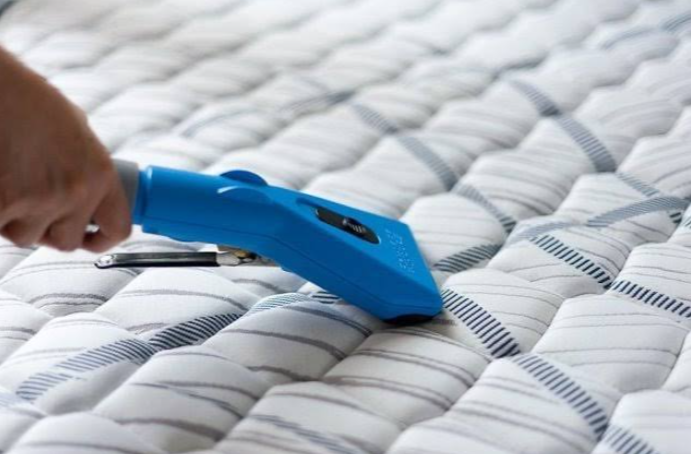
Mattresses collect shed skin, perspiration, body oils, dust and other particles through everyday use. Changing sheets removes material from the bedding, but it does not address everything that has settled on or reached the mattress itself. Periodic professional mattress cleaning can remove accumulated debris and help maintain a fresher, more hygienic sleep surface.
This may be particularly relevant for people sensitive to house dust mites. Healthdirect Australia identifies mattresses, pillows, bedding, upholstered furniture and carpets as common places where dust mites are found. Exposure can contribute to symptoms such as sneezing, a blocked or runny nose, irritated eyes, coughing, wheezing and chest tightness in people with a confirmed allergy.
Mattress cleaning does not treat allergies or sleep disorders. Its role is practical: reducing accumulated material within an area where people spend several hours each night.
Why Mattresses Accumulate Dust and Allergens
A mattress can look clean while still containing material beneath its outer fabric. Sheets and mattress protectors intercept much of the perspiration, shed skin and body oils produced during sleep, but small particles can still reach the mattress over time.
Airborne dust also settles throughout the bedroom. Pets may add hair, dander and outdoor debris when they are allowed on the bed, while food, drinks and accidental spills can introduce further contamination.
House dust mites are microscopic organisms that feed on organic material, including shed skin cells. The allergic response associated with dust mites is triggered by proteins in mite material and waste rather than by the mites biting people. Healthdirect notes that not everyone with asthma, eczema or rhinitis is allergic to dust mites, so persistent symptoms should be properly assessed rather than assumed to have a particular cause.
Regular cleaning helps manage the material accumulating on the mattress, but it cannot permanently eliminate dust mites from a home.
How Mattress Cleaning Can Reduce Allergen Build-Up
Routine sheet washing does not clean the mattress underneath. Vacuuming the surface can collect loose dust, hair and debris, but professional equipment and suitable cleaning methods may provide a more thorough treatment.
Kings of Cleaning Services begins its mattress cleaning process with an inspection to determine the appropriate method. Depending on the mattress fabric and level of cleaning required, the service may involve steam cleaning or dry cleaning, stain treatment, sanitising, deodorising and a final inspection.
The chosen method should account for the mattress construction and care requirements. Some mattresses and foams can be sensitive to excessive moisture, heat or unsuitable cleaning products. A cleaner should therefore assess the mattress rather than automatically applying the same process to every bed.
Professional cleaning can remove accumulated debris and reduce allergenic material within the treated area. However, the Australasian Society of Clinical Immunology and Allergy explains that no vacuum, spray or dry-cleaning process can completely remove house dust mites. The realistic objective is to reduce exposure through several practical measures.
Can a Cleaner Mattress Improve Sleep?
Mattress cleaning does not directly cure insomnia or guarantee better sleep. The connection between cleaning and sleep is more specific.
For someone with a dust mite allergy, exposure in the bedroom may contribute to nasal congestion, sneezing, watery eyes, coughing or asthma symptoms. These symptoms can make it harder to settle comfortably or remain asleep throughout the night.
Reducing accumulated allergens may remove one potential source of irritation from the sleeping environment. Cleaning can also address dust, body residues, stains and odours that make the mattress feel less fresh.
The effect will vary between households. Someone without an allergy may notice mainly the hygiene and freshness benefits, while a person with confirmed dust mite sensitivity may include mattress care within a broader allergen-reduction plan.
Persistent coughing, breathing difficulties, allergy symptoms or disrupted sleep should be discussed with an appropriate health professional. Environmental cleaning supports bedroom hygiene but does not replace diagnosis or medical treatment.
Combine Mattress Cleaning With Regular Bedding Care
The mattress is only one component of the bed. Cleaning it while leaving bedding, pillows and surrounding surfaces untreated limits the overall benefit.
ASCIA recommends washing suitable sheets, pillowcases and other bedding once a week in water above 60°C. This can kill dust mites and wash away the allergens they produce. Dust-mite-resistant covers can also be placed over mattresses, pillows and quilts to reduce exposure to allergens held within them.
A practical bedroom maintenance routine may include:
- Washing suitable sheets and pillowcases weekly
- Laundering mattress protectors according to their care labels
- Using dust-mite-resistant covers where appropriate
- Vacuuming bedroom carpets and upholstered furniture
- Damp-dusting hard surfaces rather than redistributing settled dust
- Keeping pets out of the bedroom where animal allergy is a concern
- Treating spills before they penetrate further into the mattress
- Maintaining a dry, adequately ventilated room
ASCIA notes that dust mites are more common in warm, humid conditions and are generally more prevalent in coastal areas than in dry inland environments. Reducing indoor humidity and maintaining ventilation can therefore form part of allergen management.
Deal With Mattress Spills Promptly
Mattresses are thick and absorbent, so liquid can travel beneath the surface before the full extent of a spill becomes visible. A damp patch may also take longer to dry internally than the outer fabric suggests.
Blot fresh spills using a clean, absorbent cloth rather than rubbing them across a larger area. Follow the mattress manufacturer’s instructions and avoid saturating the material with water or cleaning products.
The mattress should be allowed to dry thoroughly before sheets are replaced. Adequate airflow can support drying and reduce the risk of moisture remaining within the material.
Professional treatment may be appropriate when a spill has penetrated deeply, caused a persistent odour or left a stain that cannot be safely treated using the manufacturer’s recommended maintenance method.
Cleaning can often improve staining, but complete stain removal cannot always be guaranteed. The age of the stain, substance involved, previous treatments and mattress fabric all influence the result.
Use a Washable Mattress Protector
A mattress protector provides a removable barrier between the sleeper and the mattress. It can intercept perspiration, body oils, shed skin and minor spills before they reach the mattress surface.
Unlike a mattress, the protector can usually be washed regularly. Care instructions should be followed because waterproof membranes and fitted materials may have specific temperature and drying requirements.
A protector does not remove the need to clean the mattress, especially when material has already passed through or entered around its edges. However, it can reduce the amount of contamination reaching the mattress and make routine maintenance easier.
People with confirmed dust mite allergies may need a purpose-designed allergen-resistant encasement rather than relying solely on a standard mattress protector.
How Often Should a Mattress Be Professionally Cleaned?
There is no universal evidence-based cleaning interval suitable for every mattress or household. Frequency depends on usage, household conditions, the mattress material and the type of contamination involved.
Earlier cleaning may be worth considering when:
- A significant spill or accident reaches the mattress
- Visible stains or debris develop
- Pets regularly sleep on the bed
- The mattress develops a persistent odour
- The bed receives particularly heavy use
- Someone in the household has a confirmed dust mite allergy
Some cleaning providers recommend scheduled cleaning intervals, but these should be considered alongside the mattress manufacturer’s instructions and the household’s actual needs.
Between professional appointments, regular bedding washing, mattress protection, surface vacuuming where permitted and prompt spill treatment remain the main forms of ongoing care.
Choosing Mattress Cleaning in Sydney
When arranging mattress cleaning in Sydney, ask the provider how the mattress will be inspected and how the cleaning method will be selected.
The cleaner should be able to explain whether steam or dry cleaning is appropriate, what stain treatments may be used and how long the mattress is expected to take to dry. It is also worth asking what results are realistic for older stains and whether any areas require special treatment.
Avoid choosing a service based only on claims that every allergen, mite or microorganism will be permanently eliminated. Credible cleaning should focus on removing accumulated material, treating the mattress appropriately and supporting a cleaner sleep environment.
Final Thoughts
Mattresses gradually collect dust, shed skin, body residues and other contaminants despite being covered by sheets. For people sensitive to house dust mites, the bed may also be an important source of allergen exposure.
Regular mattress cleaning can remove material that ordinary sheet washing does not reach and help maintain a fresher sleep surface. Its value is strongest when combined with weekly bedding care, washable protection, appropriate allergen-resistant covers, regular bedroom cleaning and moisture management.
A cleaner mattress cannot guarantee uninterrupted sleep or cure allergy symptoms. It can, however, support a more hygienic bedroom and reduce avoidable exposure to accumulated dust and allergens.