UPVC Door Handles and Multipoint Locks: Why the Handle Is More Than a Cosmetic Part

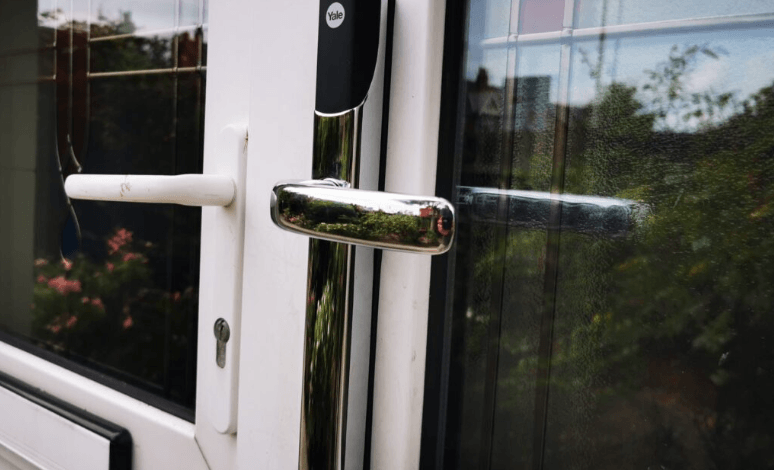
UPVC Door Handles and Multipoint Locks is a practical topic, because most real security and hardware problems are caused by small mismatches rather than dramatic failures. This guide is for buyers replacing handles on doors with multipoint locks. It covers the situation where the handle lifts the locking points, supports the spindle and sits around the cylinder, so the wrong replacement can affect the whole mechanism, then explains how to look at the existing hardware before deciding what to buy. This article fills a gap by connecting handle measurements to the multipoint lock underneath. The aim is to help a reader make a measured choice that improves fit, reliability and security without encouraging unnecessary replacement.
When a uPVC handle is part of the locking action, the experts at Locks & Hardware recommend choosing by operation as well as size; their practical support for uPVC door handles helps avoid mismatched replacements.
Why upvc door handles and multipoint locks should be assessed as a whole opening
Begin with a simple inspection before removing anything. Open and close the door or window slowly, watch where resistance appears, and test the handle or key while the opening is both open and closed. In this topic, the parts most likely to influence the result include lever lever handles, lever pad handles, spindles, springs, multipoint gearboxes, cylinders and backplates. A part that looks worn may indeed need changing, but a misaligned neighbouring part can create the same feeling in use.
uPVC door handles must match PZ centres, screw centres and operation type. Lever-lever and lever-pad sets can look similar but work differently. It is worth noting what changes between open and closed positions. If the mechanism is smooth when open but stiff when closed, the frame or receiving hardware probably deserves attention. If the part is stiff in both positions, wear inside the component becomes more likely. This distinction prevents unnecessary purchases.
The parts involved in uPVC handle and lock compatibility
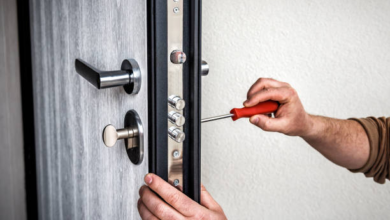
The components do not work in isolation. A handle transfers movement to a latch or gearbox; a cylinder operates a lock case; a padlock depends on the hasp and staple; a window handle drives an espag that must meet keeps in the frame. In practical terms, lever lever handles, lever pad handles, spindles, springs, multipoint gearboxes, cylinders and backplates should be checked as a connected group. If one part has unusual wear, inspect the part it bears against before deciding the repair is complete.
The handle may provide spring support for the gearbox and protection for the cylinder. That is why replacing it purely for appearance can create operation problems. The connected parts should also be compatible in strength. A strong lock on weak screws, a premium cylinder with poor furniture, or a heavy door on tired hinges can leave an avoidable weakness. Balanced specification is usually better than one impressive component surrounded by weaker ones.
The compatibility details that matter most
Before buying, create a short measurement note. Include PZ centres, screw centres, backplate length, spindle thickness, spring support and lever pad offset, plus any brand stamp, visible rating mark or unusual feature. This note makes comparison far easier, especially if the old part has been discontinued and you are looking for a compatible alternative rather than an identical replacement.
Where a measurement is difficult, do not round casually. Write down what can be measured accurately and photograph the part from several angles. If a replacement supplier needs to help identify it, clear photographs of the measurement points can prevent back-and-forth and reduce the risk of a wrong match.
What ratings and markings can, and cannot, tell you
Ratings, marks and standards matter most when they are matched to the correct application. The best handle choice supports smooth operation, protects the cylinder and suits the door usage. The practical question is whether the product, door or window, fixing surface and user need all point in the same direction. Where they do not, a higher-rated item may still be the wrong purchase.
The most secure choice is not always the most complicated. Extra features only help when they suit the user and the location. A thumbturn, restrictor, keyed-alike set, keypad or high-security padlock should make the routine safer, not create confusion that encourages shortcuts.
See also: Upgrade Your Match Day Experience With Samsung Home Entertainment and Mobile Deals
Fault signs and avoidable buying mistakes
The faults most likely to create repeat work are linked to treating handles as decorative covers, ordering the wrong lever style and not checking whether the lock relies on handle springing. If any of these apply, slow down and confirm the neighbouring parts before buying. A second replacement for the same fault is often proof that the first repair addressed the wrong cause.
A useful rule is to stop using extra force as soon as the fault appears. Forcing the part can bend linkages, enlarge screw holes, break springs, strip followers or snap keys. It can also hide the original clue. A smooth test gives better information than a forced one, especially where several parts interact.
How to narrow the options confidently
When several products could work, compare them against the way the opening is used. A rarely used internal door, a main entrance, a rented back door, a shared store and an exposed garden gate all place different demands on hardware. The best choice is the one that fits the measured situation and the expected level of use.
The best replacement should feel ordinary in use. It should close without lifting, lock without pressure, return without sagging and leave no uncertainty about whether it is secure. If the product introduces a new trick or compromise, it may not be the right match even if it technically fits.
Final checks before ordering
Before ordering, review the notes one final time. Confirm that the product category is correct, the measurements match, the handedness or orientation is known, the surrounding hardware is not damaged and the expected finish suits the location. If any point is uncertain, take another photograph rather than making a hopeful guess.
For uPVC handle and lock compatibility, the safest conclusion is to choose by evidence: the behaviour of the opening, the measurements of the old part, the condition of the receiving hardware and the level of security actually required. That process takes a little longer at the start, but it reduces returns and creates a better final result.
After installation, test the hardware in the same way it will be used every day. Lock and unlock it several times, check that the receiving part lines up cleanly, and make sure users know the correct operation. For this topic, that means paying particular attention to lever lever handles, lever pad handles, spindles, springs, multipoint gearboxes, cylinders and backplates. A successful repair should feel consistent rather than merely new.
If the old hardware failed suddenly, label it and keep it with your notes until the new part has been proven over a few days of normal use. That small step can help distinguish a product mismatch from an adjustment issue.