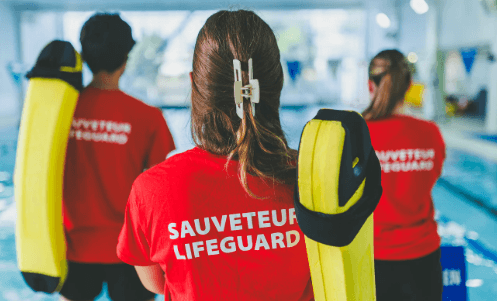
Lifeguarding is an important profession that combines swimming abilities, physical fitness, quick decision-making, and lifesaving skills. In pools, on beaches, or in parks, public safety highly depends on lifeguards. For enthusiasts aspiring to a career in sports lifeguarding, the first step, and even the most vital, is obtaining a lifeguard certification.
Thus, in this article, we will discuss the meaning behind having a certification as a lifeguard, the training process, and why the American Lifeguard Association (ALA) is unique from the rest when it comes to lifeguard training.
Why Lifeguard certification Is Important
More than a mere scrap of paper, lifeguard certification testifies that a person has undergone rigorous training, and has the skills necessary to prevent and respond to aquatic emergencies. Here are reasons certification is important:
1. Validate proficiency in lifesaving skills
Lifeguards must have qualified competency in first aid, CPR, water rescue methods, and emergency response. Certification programs exist to guarantee these conditions have been satisfied for all applicants before being permitted to hold professional duties.
2. Legal and Employment Requirements
Most aquatic facilities, from public pools, beaches, and all the way to water sports centers, necessitate having a lifeguard certification as a minimum requirement for employment. Without a certification, one cannot therefore work legally in this position.
3. Builds confidence in emergency situations
Hands-on practice and scenario-based exercises are meant to help certified lifeguards be swift and effective in an emergency.
4. Increased Job Opportunities
An ALA lifeguard certification near in your area broadens the job market as it offers trust by employers in accredited programs. Accredited organizations typically provide employment.
Unlike Lifeguarding, Specialized Sports Lifeguard functions by closely monitoring and supervising aquatic sports events such as:
- Competitive swimming events
- Water polo games
- Triathlons and open-water races
- Surfing competitions
- Synchronized swimming
Away from the typical lifeguarding, sports lifeguards should be conditioned for high-intensity situations where athletes push their limits, which results in a greater risk of cramps, fatigue, or death.
The key responsibilities of a Sports Lifeguard will entail the following:
- Observing and monitoring athletes for signs of suffering
- Medium in which safety rules during the competition are enforced
- Rescue performance in fast-moving water conditions
- First aid or CPR if necessary administered
- Event organizers and medical teams coordinate
Thus, keeping all these things in mind, proper training through a lifeguard certification becomes the most important thing to become a good lifeguard.
Become a Certified Lifeguard
Getting certified as a lifeguard is a process that includes taking classes, performances of various skills, and passing the exam. Here’s how this process usually goes:
1. Eligibility
Before taking a certification course, certain criteria must be met by prospective students. The vast majority would have to wait until the ages of 15 or 16 to take the course.
Labouring in the swimming pool or ocean: a person must be able to swim 300 yards continuously, tread water for 2 minutes with no hands, dive to a depth of 13 feet, and retrieve a 10-pound object off the bottom.
2. Select a Certification Program
There are many organizations that offer training for lifeguards, among which one of the most reputed is the American Lifeguard Association. Their programs are accepted nationally and they keep up with safety standards of the latest.
3. Class and Training
ALA lifesaving program includes the following:
- Water Rescue Techniques-Appropriate approach to a victim, victim extraction, and use of rescue equipment.
- CPR/AED & First Training in cardiopulmonary resuscitation, automated external defibrillators, and injury management.
- Emergency Action Plans-Spinal injury, cardiac, and other critical injuries incidents.
- Surveillance and Prevention-Identify probable hazards before they happen.
4. Skills Testing and Final Examinations
The following skills must be demonstrated by the candidates:
- A timed swim test
- Rescue simulations by the candidates
- CPR and first aid applications
- Written exam on lifeguarding principles
On successful completion, the participants receive their lifeguard certificate. This is a two-year duration and needs to be renewed thereafter.
See also: How Regular Air Conditioner Maintenance Extends System Lifespan
Why You Should Choose the American Lifeguard Association
Reputable organizations should be the only choice when it comes to certifying lifeguard organizations. The American Lifeguard Association (ALA) has various advantages:
1. Its certification is recognized nationwide.
Just by having an ALA certification, you can take your swim to a pool, waterpark, or beach anywhere in the US.
2. Various Course Modes
They have in-person or blended learning. Students can take part in their classes online while still being required to participate in hands-on training.
3. Experienced Instructors
Real-world insights by ugly old professionals will ensure students are prepared just right in case something happens during a rescue.
4. Sports Lifeguarding
ALA has specific courses in sports lifeguarding which deal, well, particularly with the problems associated with supervising an athletic event.
5. Cheap and Profitable
Compared to the rest, this price is competitive in value. ALA offers here high-quality training at relatively lower prices and scholarships and discounts for group enrollment.
Lifeguard certifications Renewal
Lifeguard certifications are not given for a single time: they require a continuous cycle of education and renewal. Here are what’s required to remain certified:
1. Renew Before Expiration
The majority of certifications, including those of ALA, will expire after two years, after which lifeguards must complete a recertification course to stay current.
2. Keep Updated About Safety Protocols
New techniques and guidelines keep emerging. Attending refresher courses ensures lifeguards remain proficient.
3. Physical Fitness is Important to Always Keep
Lifeguards will find the requirements it demands physically strenuous. Swimming regularly and strength training maintain endurance, which is crucial in any rescue operation.
Final Word: Start Your Lifeguarding Career Today
An important first building block into a fulfilling professional life is gaining a lifeguard certificate. With lifeguard training from a recognized entity like the American Lifeguard Association, you will obtain the needed skills, confidence, and certification to save lives and keep safe aquatic sports environments handling pools to supervising triathlons and becoming open-water lifeguard. Get certified and take the first step into your career!
Ready to get certified? Visit the website of the American Lifeguard Association and find a lifeguard certification course near your area and begin your journey to becoming a professional lifeguard!