Small and medium-sized businesses have always faced one core disadvantage against large retailers: scale. Big brands can absorb thinner margins, run aggressive marketing campaigns, and negotiate better supplier rates. But there’s one area where smaller businesses can compete on far more even footing how they use discounts and deal visibility to win price-sensitive, research-driven customers. In 2026, this has become less of an optional marketing tactic and more of a core survival strategy.
Small businesses can compete with big retailers through clear, trustworthy discounts.
The Pricing Pressure Small Businesses Face
Large retailers can afford to run deep discounts for short bursts, using scale to offset the loss on individual sales. Smaller businesses can’t always match that kind of pricing without hurting their margins. But customers don’t necessarily expect the deepest discount they expect a fair, honest one that’s easy to find and easy to trust. This is where smaller businesses have an opening: they can compete not on the size of the discount, but on the clarity and reliability of it.
Shoppers today rarely commit to a single retailer out of habit. Instead, they compare, search for promo codes, and check whether a deal is actually legitimate before clicking “buy.” A small business that makes its discounts easy to find and consistently reliable can capture customers who might otherwise default to a bigger, more familiar brand simply because the bigger brand’s offer was easier to locate.
Why Deal Visibility Matters More Than Deal Size
There’s a common misconception that winning price-conscious customers requires offering the lowest price on the market. In reality, visibility and trust often matter just as much as the discount amount itself. A customer who finds a working 15% off code from a smaller retailer will often choose that business over a competitor offering a vague, unverified 30% off banner that turns out not to apply at checkout.
This is one of the reasons verified coupon and deal platforms have become valuable partners for smaller businesses. A platform like Rafer Discount tests and organizes discount codes across categories including fashion, electronics, home goods, and more, giving smaller brands a channel to reach customers who are actively comparing options rather than passively browsing. Being listed on a platform known for verifying its offers can put a small business in front of the same deal-seeking audience that larger retailers spend heavily to reach through advertising.
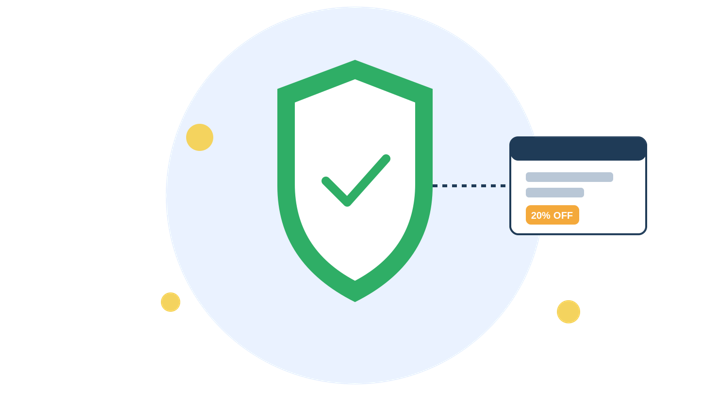
Third-party verification helps a small business build trust without a big marketing budget.
Building Trust Without a Big Marketing Budget
Large retailers often build trust through brand recognition built over years of advertising. Smaller businesses don’t have that luxury, but they can build trust in other ways one of the fastest being third-party verification. When a discount code is confirmed to work by an independent platform rather than just claimed on a business’s own website, customers are more willing to act on it.
Sites such as Rafer Discount support this by regularly testing and updating the deals they list, which means a smaller business’s offer carries the same credibility signal as a larger competitor’s, regardless of marketing budget. For a business without the resources for large-scale brand campaigns, this kind of third-party validation can meaningfully close the trust gap that used to favor only the biggest names in a category.
Turning Price-Sensitive Shoppers Into Repeat Customers
Winning a customer through a discount is only half the equation the other half is turning that first purchase into a repeat one. This is where product quality, customer service, and post-purchase experience take over from pricing. A verified discount can get a price-conscious shopper to try a smaller business for the first time; what happens after that determines whether they come back without needing another coupon.
Businesses that treat their first discount-driven sale as the start of a relationship, rather than a one-time transaction, tend to see stronger long-term returns than those that rely on repeated deep discounting to keep bringing customers back.
See also: Turning Customer Conversations into Strategic Business Intelligence
Practical Steps for Smaller Businesses
For business owners looking to compete more effectively using discount strategy, a few practices consistently make a difference:
- Keep offers accurate. An outdated or broken code damages trust faster than having no code at all, especially for a smaller brand still building credibility.
- Get listed on verified deal platforms. Third-party validation helps close the trust gap with larger, more established competitors.
- Lead with clarity, not just size. A clearly stated, easy-to-apply 15% discount often converts better than a vague, unverifiable “up to 50% off” claim.
- Focus post-purchase experience on retention. The discount opens the door; product quality and service decide whether the customer stays.
- Track how your brand’s discounts appear online. Outdated codes circulating on unrelated sites can quietly undermine trust even when a business isn’t actively promoting them.
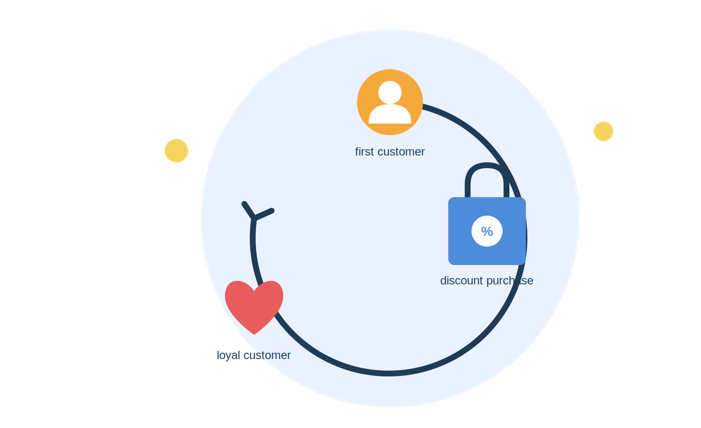
A first discount-driven purchase can turn into a loyal, repeat customer relationship.
Final Thoughts
Competing with larger retailers doesn’t require matching their advertising budgets or discount depth. It requires being easy to find, easy to trust, and consistent at the exact moment a price-conscious customer is deciding where to spend. Verified discount platforms have become an accessible way for smaller businesses to level that playing field, giving them a credible presence in front of the same research-driven shoppers that bigger brands spend heavily to reach.