Industrial Traceability: The Backbone of Modern Manufacturing and Supply Chain Transparency

Understanding Industrial Traceability in Modern Manufacturing
Industrial traceability refers to the ability to track and trace materials, components, and finished products throughout the entire manufacturing and supply chain lifecycle. From raw material sourcing to final product delivery, traceability systems record critical data at every stage, ensuring transparency, accountability, and quality control. In today’s competitive and highly regulated industrial environment, traceability is no longer optional—it is a strategic necessity.
At its core, industrial traceability enables manufacturers to identify where a product originated, how it was processed, which components were used, and who handled it at each step. This information is captured using advanced technologies such as barcodes, QR codes, RFID tags, IoT sensors, and integrated ERP or MES systems. By assigning unique identifiers to materials and products, businesses can maintain real-time visibility across complex production lines and global supply networks.
The importance of traceability has grown significantly due to stricter regulatory requirements, rising consumer expectations, and the need for rapid response during recalls or quality incidents. Industries such as automotive, pharmaceuticals, aerospace, food processing, and electronics rely heavily on traceability to comply with international standards and ensure product safety. Without an effective traceability framework, companies risk financial losses, reputational damage, and legal consequences.
Moreover, digital transformation and Industry 4.0 initiatives have accelerated the adoption of automated traceability systems. Smart factories now integrate sensors and data analytics tools that continuously monitor production performance. This digital ecosystem ensures that every component and process step is documented, enabling data-driven decision-making and continuous improvement.
In essence, industrial traceability acts as the backbone of modern manufacturing, connecting data, processes, and stakeholders into a transparent and accountable network. It empowers businesses to maintain control, reduce risk, and build trust in an increasingly interconnected industrial landscape.
The Role of Traceability in Quality Control and Compliance
Quality assurance and regulatory compliance are two of the most critical drivers behind the implementation of industrial traceability systems. Manufacturers must guarantee that their products meet strict safety and performance standards, and traceability provides the framework to achieve this objective effectively.
With a robust traceability system in place, companies can quickly identify defects, isolate affected batches, and prevent faulty products from reaching customers. Instead of recalling entire production runs, manufacturers can narrow down the issue to specific components or production dates. This precision reduces recall costs and minimizes disruption to operations.
Regulatory bodies worldwide demand comprehensive documentation of manufacturing processes. For example, pharmaceutical companies must comply with Good Manufacturing Practices (GMP), while automotive manufacturers adhere to standards such as IATF 16949. Traceability ensures that every step of production is recorded and auditable. In case of inspections or audits, businesses can provide accurate and verifiable records, demonstrating full compliance.
Another significant advantage lies in risk management. By maintaining detailed historical data, companies can analyze recurring issues and identify root causes. Predictive analytics tools can then use this information to prevent similar problems in the future. This proactive approach strengthens quality control and fosters a culture of continuous improvement.
Traceability also supports supplier accountability. Manufacturers can track the origin of raw materials and evaluate supplier performance based on quality metrics. If a supplier consistently delivers substandard components, the data will clearly highlight the pattern. This transparency encourages stronger partnerships and higher standards across the supply chain.
Ultimately, traceability transforms quality management from a reactive process into a proactive and strategic function. It ensures compliance, enhances product reliability, and protects both businesses and consumers from avoidable risks.
Technologies Driving Advanced Industrial Traceability Systems
The evolution of industrial traceability has been fueled by rapid technological advancements. Traditional paper-based systems have been replaced by sophisticated digital solutions that offer real-time visibility and seamless integration across departments. These innovations are reshaping how industries manage production data and supply chain operations.
One of the foundational technologies in traceability is barcode and QR code labeling. These identifiers allow manufacturers to capture essential information quickly and accurately. When scanned, they provide instant access to production history, batch details, and shipping data. While simple, this technology remains highly effective for many industries.
RFID (Radio Frequency Identification) takes traceability a step further by enabling automatic data capture without direct line-of-sight scanning. RFID tags can store detailed information and transmit it wirelessly, making them ideal for high-volume or fast-paced production environments. Combined with IoT sensors, RFID systems provide continuous monitoring of temperature, humidity, and movement—critical factors in sectors like pharmaceuticals and food processing.
Cloud computing and centralized data platforms have also revolutionized traceability. By storing information in secure cloud environments, companies can access production data from anywhere in the world. This global accessibility enhances collaboration among stakeholders and supports multi-site manufacturing operations.
Enterprise Resource Planning (ERP) and Manufacturing Execution Systems (MES) integrate traceability data into broader operational workflows. These systems connect production lines, inventory management, procurement, and distribution into a unified ecosystem. For companies seeking comprehensive visibility and control, investing in industrial traceability solutions powered by integrated software platforms ensures efficiency and scalability.
Artificial intelligence and big data analytics further enhance traceability capabilities. AI-driven algorithms can analyze massive datasets to detect anomalies, predict maintenance needs, and optimize supply chain performance. As smart manufacturing continues to evolve, these technologies will play an even more critical role in refining traceability systems.
Together, these technological advancements are transforming traceability from a compliance requirement into a powerful strategic asset that drives operational excellence.
See also: Driving Digital Transformation Through Integrated Business Platforms
Benefits of Industrial Traceability for Supply Chain Transparency
Supply chains today are increasingly global, complex, and interconnected. Managing this complexity requires transparency at every stage—from raw material sourcing to final customer delivery. Industrial traceability provides the visibility necessary to navigate these challenges effectively.
One of the most significant benefits of traceability is enhanced transparency. Businesses can monitor the movement of goods across multiple locations, ensuring that shipments are delivered on time and in optimal condition. Real-time tracking reduces uncertainties and improves coordination between suppliers, manufacturers, and distributors.
Traceability also supports sustainability initiatives. Companies can track the environmental impact of their operations by monitoring resource usage, emissions, and waste generation. Consumers and regulatory bodies increasingly demand proof of ethical sourcing and environmentally responsible practices. Traceability systems provide the data required to verify these claims.
In addition, transparency strengthens customer trust. When consumers can access information about a product’s origin and manufacturing process, they feel more confident in its quality and authenticity. This is particularly important in industries prone to counterfeiting, such as electronics, luxury goods, and pharmaceuticals. Unique product identifiers make it easier to detect and prevent counterfeit items from entering the market.
Operational efficiency is another key advantage. With full visibility into inventory levels and production schedules, companies can reduce overstocking and prevent shortages. Accurate data enables better forecasting and demand planning, leading to cost savings and improved profitability.
Furthermore, traceability enhances crisis management capabilities. In the event of a supply chain disruption—such as a natural disaster or geopolitical conflict—companies can quickly identify affected components and adjust sourcing strategies accordingly. This agility ensures business continuity even in challenging circumstances.
By fostering transparency, efficiency, and trust, traçabilité industrielle strengthens the entire supply chain ecosystem and positions companies for long-term success.
Future Trends and the Strategic Importance of Industrial Traceability
As industries continue to embrace digital transformation, the role of industrial traceability will become even more strategic. Emerging technologies and evolving market expectations are shaping the future of traceability systems, pushing them beyond basic tracking toward intelligent and autonomous operations.
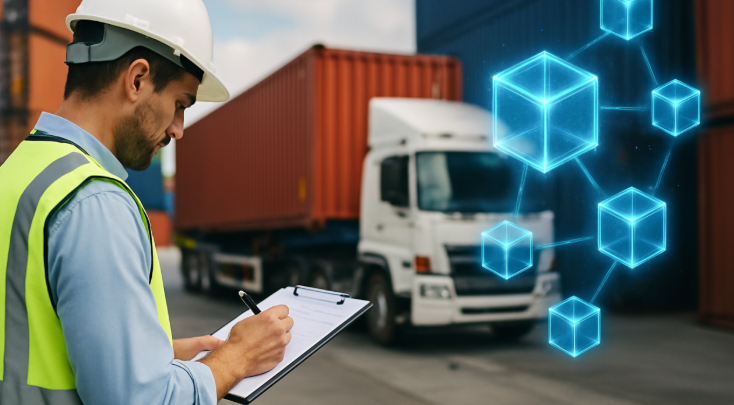
Blockchain technology is one of the most promising developments in this field. By creating immutable and decentralized records, blockchain enhances data security and trust among supply chain partners. Each transaction or process step is permanently recorded, reducing the risk of data manipulation and fraud. This level of transparency is particularly valuable in industries with complex international supply networks.
Digital twins are another emerging trend. By creating virtual replicas of physical assets and processes, manufacturers can simulate production scenarios and analyze performance in real time. Traceability data feeds into these digital models, enabling more accurate predictions and optimized operations.
Sustainability and ESG (Environmental, Social, and Governance) reporting will further drive traceability adoption. Governments and investors increasingly require companies to disclose detailed operational data. Traceability systems provide the infrastructure needed to collect, verify, and report this information accurately.
Cybersecurity will also play a crucial role in the future of traceability. As more devices and systems become interconnected, protecting sensitive production data becomes paramount. Advanced encryption, secure cloud platforms, and continuous monitoring will be essential to safeguard traceability networks.
Ultimately, industrial traceability is evolving from a regulatory tool into a strategic differentiator. Companies that invest in advanced traceability systems gain a competitive edge through improved efficiency, transparency, and resilience. In a rapidly changing global market, the ability to track, analyze, and optimize every aspect of production is not just beneficial—it is essential for sustainable growth.
By embracing innovation and integrating traceability into their core business strategies, manufacturers can build stronger supply chains, enhance product quality, and meet the demands of an increasingly data-driven world.