Beyond the Hard Hat: Why Fire Watch Services Are Becoming Essential on Calgary Construction Projects

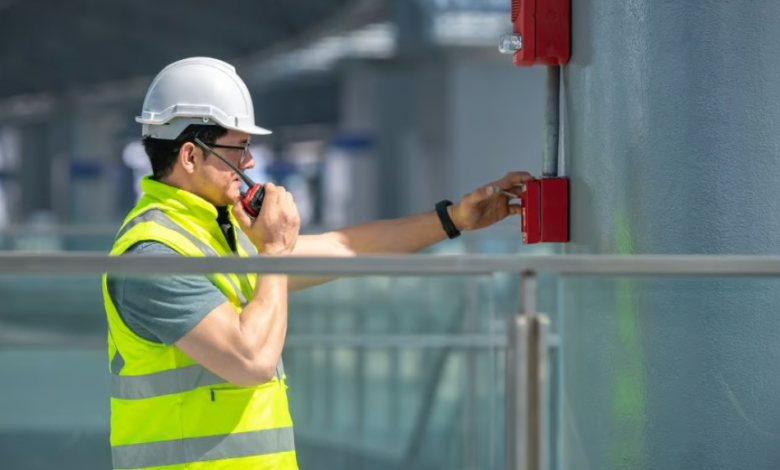
Calgary’s skyward growth is unmistakable. From dense multi-family developments across Beltline and East Village to sprawling industrial builds in Great Plains and residential communities expanding around the city’s perimeter, construction is operating at near-record pace.
Yet, alongside this growth comes heightened operational vulnerability. Construction sites—particularly those in active framing, mass-timber construction, or heavy renovation phases—are inherently fragile environments. Permanent fire suppression systems are rarely online, combustible materials sit exposed, and volatile activities like welding and temporary heating run daily.
In response, developers and general contractors across the Calgary region are increasingly treating dedicated fire watch services not merely as a regulatory checkbox, but as a mandatory operational safeguard.
1. Regulatory Enforcement & The Alberta Fire Code
A primary catalyst for the surge in fire watch deployment is stricter enforcement of provincial and municipal fire regulations. Under the National Fire Code – 2023 Alberta Edition (enforced by the Calgary Fire Department and Safety Codes Officers), developers must maintain an approved Construction Site Fire Safety Plan.
MANDATORY FIRE WATCH CRITERIA
(Alberta Fire Code Mandates)
│
┌────────────────────────────────────────┴────────────────────────────────────────┐
▼ ▼
Impaired Life Safety Systems Hot Work Operations
• Inoperative sprinkler systems • Welding & cutting
• Inactive fire alarms or standpipes • Torch-applied roofing
• Out-of-service municipal hydrants • Grinding & open flame work
When active life safety systems are absent or taken offline, the law requires a human detection layer to replace them. Furthermore, Hot Work Permits require dedicated visual monitoring during the task and for a minimum of 60 minutes after hot work ends, often followed by secondary site checks up to four hours later.
Failing to maintain detailed, timestamped fire watch logs during these critical windows can result in immediate Stop Work Orders, steep fines, and significant project delays.
2. The Mass Timber & Wood-Frame Exposure
Calgary’s push toward sustainable, cost-efficient housing has accelerated the adoption of mass-timber and mid-rise wood-frame construction. While structurally sound and visually striking once complete, timber structures are at their highest risk during erection.
CONSTRUCTION RISK TIMELINE (WOOD-FRAME & MASS TIMBER)
[ Framing Phase ] ───► [ Gypsum / Drywall ] ───► [ Active Sprinklers ]
▲ ▲
│ │
Highest Fire Exposure: Lowered Exposure:
• Exposed structural lumber • Fire-rated barriers installed
• Open airflows / high winds • Automatic detection active
• No drywall insulation • Integrated suppression live
Before interior drywall fire-stopping is hung and automatic sprinkler systems are charged, a single stray spark from an angle grinder or a faulty temporary electrical junction can ignite exposed framing. In a matter of minutes, high winds across the Alberta prairies can transform a localized spark into a multi-million-dollar loss that threatens neighboring properties. Trained fire watch personnel provide the immediate human surveillance needed to catch early-stage smoldering before flashover occurs.
See also: Rafer Discount: How Verified Deals Are Helping Small Businesses Compete With Big Retailers
3. Commercial Insurance & Risk Mitigation Mandates
Securing Builders’ Risk Insurance across Western Canada has become increasingly complex. Insurance underwriters, facing significant historical payouts from construction site fires across North America, have raised the bar for project coverage.
Insured developers are frequently subjected to strict policy warranties, including:
- Mandatory Off-Hours Patrols: Continuous site monitoring during nights, weekends, and holiday shutdowns when trade workers are off-site.
- Verifiable Patrol Tracking: Requirements for digital guard tour systems using real-time GPS timestamps and photo logs to prove continuous walkthroughs of every floor.
- Strict Hot Work Audits: On-site verification that hot work permits are formally signed off and post-work wait times are strictly met.
Without a documented fire watch program, insurance carriers can void coverage or impose exorbitant deductibles in the event of a fire claim.
4. Calgary’s Extreme Winter Construction Environment
Operating in Calgary means building through severe sub-zero winter spells. These seasonal extremes introduce thermal hazards that simply do not exist during warmer months:
┌─────────────────────────────────────────────────────────────────────────────┐
│ WINTER-SPECIFIC SITE HAZARDS IN CALGARY │
├─────────────────────────────────────────────────────────────────────────────┤
│ 1. Continuous Propane & Diesel Heaters │
│ Located adjacent to temporary tarpaulins, hoarding, and dry framing. │
│ │
│ 2. Electrical Distribution Overloads │
│ Heavy reliance on temporary power boxes, heaters, and lighting arrays. │
│ │
│ 3. Frozen Water Infrastructure │
│ Temporary water lines or dry standpipe connections freezing, impairing │
│ immediate firefighting access if a blaze breaks out. │
└─────────────────────────────────────────────────────────────────────────────┘
Dedicated fire watch guards act as the primary defense against these winter hazards—continuously monitoring clearance distances around temporary heating equipment, verifying fuel storage safety, and keeping emergency access corridors clear.
Key Elements of an Effective Site Fire Watch Plan
An operational fire watch program requires trained specialists operating under clear protocols:
COMPONENTS OF A VALID FIRE WATCH LOG
┌─────────────────────┐ ┌─────────────────────┐ ┌─────────────────────┐
│ Personnel Info │ │ Patrol Details │ │ Hazard Reporting │
│ • Guard Name │ ──► │ • Exact Check Times │ ──► │ • Hot Work Clearance│
│ • Certification # │ │ • Floors Inspected │ │ • Heater Clearances │
└─────────────────────┘ └─────────────────────┘ └─────────────────────┘
- Active Patrol Schedules: Physical rounds conducted at set intervals (typically every 30 to 60 minutes) covering every floor, stairwell, and hidden space.
- Immediate Means of Communication: Direct radio or cell access to emergency dispatch (911) and site leadership, allowing immediate evacuation orders before attempting fire containment.
- Dedicated Equipment: Dedicated high-visibility gear, air horns/alarms, thermal imaging tools, and fully inspected, calibrated fire extinguishers.
- Verifiable Audit Trails: Daily fire watch logs stored electronically to satisfy Safety Codes Officers and insurance auditors on demand.
Protecting Assets, Timelines, and Lives
As Calgary continues its rapid development, project managers can no longer rely on passive fire protection during active construction. Between regulatory obligations, insurance demands, and Calgary’s unique climate challenges, hiring dedicated, certified fire watch personnel is one of the most effective investments a contractor can make to protect their timeline, reputation, and workforce.