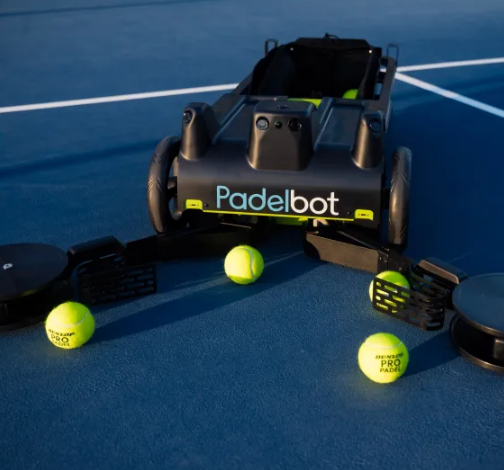
Finding consistent practice time is one of the most underrated challenges in improving at tennis. Technique matters, coaching matters, but none of it counts for much if a player can only get on court once every couple of weeks because a partner wasn’t available. Smart ball machines have quietly solved this problem for a growing number of players, turning solo sessions from a limited backup option into a genuinely effective way to train.
Why Solo Practice Has Historically Fallen Short
Hitting against a wall or an old-style ball machine technically counts as practice, but it rarely builds the specific skills players actually need. Fixed-pattern feeding doesn’t challenge footwork or recovery, and it doesn’t adapt based on how a session is going. Players end up repeating the same motion over and over without the variation that real improvement requires.
This is the core problem that modern training technology set out to fix — not by eliminating the need for practice partners entirely, but by making independent sessions genuinely productive rather than just better than nothing.
See also: The Importance of Lifeguard Certification: A Guide to Sports Lifeguarding
What Makes a Ball Machine “Smart”
The shift from basic mechanical feeders to intelligent solo tennis training tools comes down to a few key capabilities that weren’t previously available in consumer equipment:
Adjustable everything. Speed, spin, trajectory, and shot type can be changed instantly through an app, rather than requiring manual dial adjustments between drills.
Voice and remote control. Being able to switch drills mid-session without walking back to the machine keeps practice flowing and makes longer sessions far less tedious.
Vision-based tracking (on more advanced models). Some systems track player position and adjust feed patterns accordingly, creating a training experience that responds to the player rather than repeating a fixed loop regardless of performance.
Performance data. Session reports and shot analysis give players objective feedback, which matters especially for those training without a coach to point out patterns they might miss themselves.
Building an Effective Solo Routine
Owning a smart machine doesn’t automatically translate into better practice — how it’s used still matters. A few principles help players get real value out of solo sessions:
Start with a clear focus per session. Instead of hitting randomly, decide in advance whether a session is targeting footwork, consistency, or shot variety, and adjust machine settings specifically around that goal.
Progress difficulty gradually. Beginning with predictable, moderate settings and increasing speed or unpredictability as the session goes on mirrors how skill actually develops, rather than jumping straight into the hardest setting available.
Use data to guide the next session. If a machine tracks shot accuracy or landing data, reviewing that information after a session helps identify what to focus on next time, rather than repeating the same drills indefinitely.
Mix structured drills with rally-style unpredictability. Pure repetition builds mechanics, but more advanced adaptive modes help develop the reactive decision-making that live play actually requires.
Solo Training Isn’t Just for Tennis
One of the more interesting developments in this space is how the same underlying technology has expanded into other racquet sports facing similar practice challenges. Pickleball, for example, has seen rapid growth in structured solo training tools, with systems like the Tenniix Pickle Pro applying AI vision and ball-landing analysis to independent practice in much the same way advanced tennis machines do.
This cross-sport pattern reflects a broader shift: the core problem — needing structured, adaptive practice without depending on a partner’s availability — isn’t unique to tennis, and neither is the solution. Players who split time between tennis and pickleball, which has become increasingly common, benefit from training ecosystems built around this same shared approach to independent practice.
Who Gets the Most Out of Solo Training Technology
Smart ball machines tend to deliver the most value for a few specific groups: players without consistent access to hitting partners, competitive players supplementing lesson time with additional structured reps, and juniors building fundamentals who benefit from steady, repeatable practice outside of scheduled coaching sessions.
Even players with regular access to partners often find value in solo sessions for isolating specific weaknesses — working on a particular shot or footwork pattern without needing a partner willing to feed the same setup repeatedly.
Final Thoughts
Solo tennis training used to mean settling for less effective practice simply because a partner wasn’t available. Smart ball machines have changed that equation, turning independent sessions into genuinely structured, adaptable training rather than a fallback option. For players serious about consistent improvement, that shift matters as much as any single feature the technology offers.
FAQs
1. Can solo practice with a smart ball machine really replace training with a partner? It won’t replace every benefit of playing with a person, but it removes the dependency on partner availability for structured, focused repetition, which is often the bigger practical barrier to consistent improvement.
2. What should I focus on during a solo practice session? Pick a clear goal for each session — footwork, consistency, or shot variety — and adjust machine settings specifically around that focus rather than practicing without direction.
3. Do I need an advanced machine to benefit from solo training? No. Even machines with adjustable speed and shot variety offer meaningful improvement over basic fixed-pattern feeders, though more advanced tracking features add further value as skill develops.
4. Is this type of training technology limited to tennis? No. Similar AI-driven training tools have expanded into other racquet sports, including pickleball, using comparable vision-based tracking and adaptive drill technology.
5. How often should I use a ball machine for solo practice? This depends on individual goals and schedule, but many players find a few structured sessions per week, combined with regular match play, produces solid, consistent improvement over time.