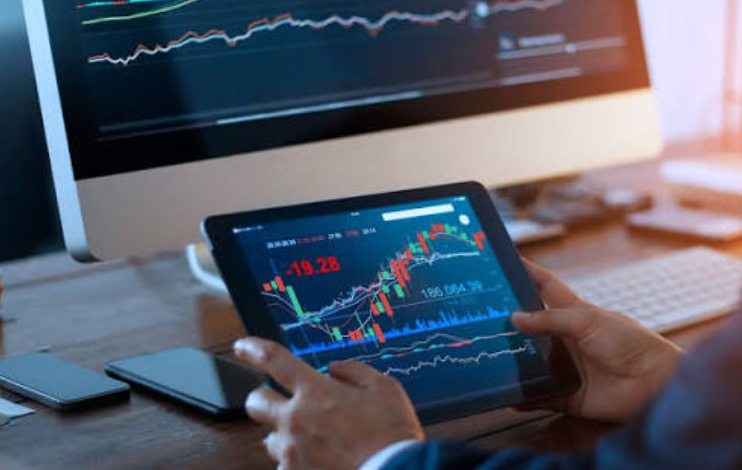
The financial trading industry has entered a period of significant transformation. Instead of measuring success by the amount of money someone brings into the market, modern trading environments are increasingly recognizing discipline, consistency, and decision-making ability. This shift has encouraged many aspiring traders to explore biggest prop trading firms, where structured evaluation systems provide opportunities based on performance rather than personal capital.
As financial technology continues to evolve, traders are discovering that long-term success depends on preparation instead of speculation. Professional habits, controlled risk, and continuous learning are becoming the qualities that define sustainable market participation. This evolution is changing how individuals approach trading and how the industry identifies capable participants.
The Shift From Capital To Capability
Traditional trading often required individuals to commit significant personal funds before they could meaningfully participate in financial markets. This created barriers for talented traders who possessed strong analytical skills but limited financial resources.
Modern evaluation models have changed this perspective by focusing on capability instead of capital. Traders are encouraged to demonstrate consistency, disciplined execution, and responsible risk management before progressing further. This creates opportunities based on measurable performance rather than financial background.
The result is a more accessible trading environment where skill becomes the primary factor for advancement.
Professional Habits Shape Better Traders
Successful trading rarely depends on one outstanding trade. Instead, it develops through consistent habits that are repeated every day regardless of changing market conditions.
Professional traders prepare before markets open, follow predefined strategies, review completed trades, and continuously improve their decision-making process. These habits gradually build confidence while reducing emotional reactions during volatile periods.
Over time, disciplined routines become more valuable than searching for perfect market predictions because consistency creates sustainable progress.
India’s Growing Structured Trading Ecosystem
India’s financial landscape has experienced remarkable growth over the last decade. Improved internet connectivity, greater financial awareness, and easier access to international markets have encouraged many individuals to explore professional trading opportunities.
The steady rise of proprietary trading in India reflects this broader transformation. Structured trading environments are helping individuals strengthen analytical skills while operating within clearly defined performance and risk frameworks.
This growth also encourages continuous education, allowing traders to build long-term careers instead of focusing only on short-term opportunities.
Technology Supporting Smarter Execution
Technology has fundamentally changed how traders interact with financial markets. Modern trading platforms provide real-time market information, advanced charting tools, execution systems, and detailed performance analytics.
These innovations allow traders to study their own performance with greater accuracy. Every completed trade becomes valuable data that helps identify strengths, weaknesses, and areas requiring improvement.
Instead of relying entirely on intuition, traders can now combine analytical tools with structured decision-making to achieve greater consistency over time.
Learning From Every Market Experience
Markets constantly provide feedback. Winning trades reinforce effective decisions, while losing trades reveal opportunities for improvement.
Successful traders treat every experience as part of a continuous learning process. Rather than focusing only on financial outcomes, they evaluate whether they followed their trading plan, respected risk limits, and maintained discipline throughout execution.
This mindset transforms setbacks into valuable lessons that strengthen future performance rather than reducing confidence.
Risk Management Creates Long Term Stability
One of the defining characteristics of successful traders is their ability to manage risk effectively. While profit generation is important, protecting capital remains the foundation of sustainable trading.
Structured trading environments encourage position sizing, predefined loss limits, and disciplined exposure management. These practices reduce unnecessary emotional pressure while helping traders remain focused on long-term objectives.
Over time, strong risk management habits improve confidence because traders understand that every decision follows a carefully planned process rather than emotional impulses. This disciplined approach allows consistent improvement regardless of short-term market fluctuations.
Building Psychological Strength
Trading is as much a psychological activity as it is a technical one. Even experienced traders encounter uncertainty, unexpected volatility, and periods of loss.
Developing emotional resilience allows traders to remain patient instead of reacting impulsively. They become better at following established strategies while avoiding decisions driven by fear or excitement.
As confidence grows through structured practice, traders learn to separate emotions from execution. This psychological maturity often becomes one of the strongest contributors to long-term trading consistency.
Transparent Evaluation Encourages Growth
Clear evaluation systems help traders understand exactly how progress is measured. When expectations are transparent, individuals can concentrate on improving performance instead of interpreting unclear requirements.
Objective benchmarks also create fairness because every participant is evaluated according to the same measurable standards. This encourages accountability while motivating traders to refine their strategies through continuous improvement.
Many traders exploring the biggest prop trading firms appreciate transparent evaluation because it allows them to focus on disciplined execution rather than uncertainty.
Preparing For The Future of Trading
Financial markets will continue evolving alongside technological innovation, global connectivity, and changing economic conditions. Traders who remain adaptable will be better prepared to succeed within this increasingly competitive environment.
Continuous learning, disciplined execution, and responsible decision-making will remain valuable regardless of how markets change. Individuals who invest time in strengthening both technical knowledge and trading psychology often develop more sustainable careers.
The future of trading is becoming increasingly performance-focused, where preparation and consistency outweigh speculation. As more professionals embrace structured development, the industry continues moving toward greater transparency, accountability, and skill-based progression.
Conclusion
Modern trading is steadily moving away from measuring success through capital alone. Instead, discipline, consistency, preparation, and responsible risk management are becoming the qualities that define sustainable performance. Structured environments encourage traders to improve continuously while developing stronger analytical and psychological skills that support long-term growth.
As financial markets continue to expand, traders who embrace learning, adaptability, and structured execution are likely to remain better positioned for future opportunities. This ongoing transformation is creating a more professional and inclusive trading ecosystem where proprietary trading in India is also contributing to the growing focus on skill-based participation, transparent evaluation, and long-term trader development rather than speculation.
In this evolving landscape, platforms like Bitfunded are becoming part of the broader movement supporting structured trading development through transparent evaluation systems, disciplined execution, and opportunities that reward consistent performance and responsible market participation.