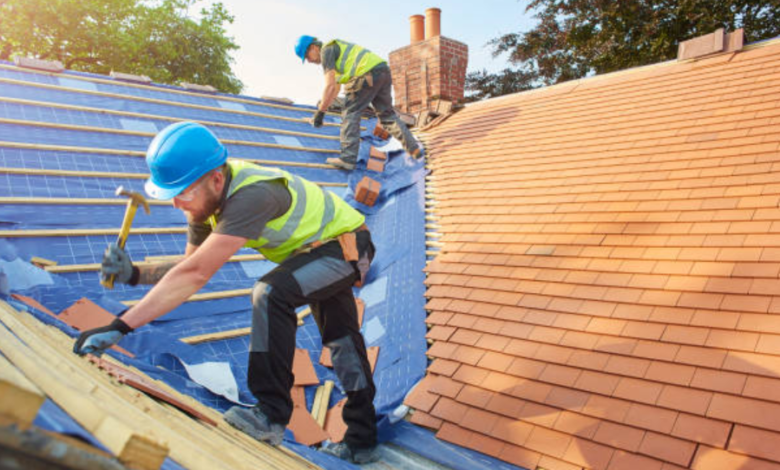
A damaged roof can escalate from a minor inconvenience to a major structural risk in a matter of hours. Whether caused by a sudden storm, falling debris, or unexpected aging failure, roof emergencies demand calm but immediate action.
Homeowners often feel overwhelmed in such moments, especially when trying to protect both property and occupants. Understanding the right steps and priorities during a roofing emergency helps minimize damage, prevent safety hazards, and stabilize the structure until professional repair is completed.
This is where the value of hiring trusted roofing contractors becomes evident, as experienced professionals ensure temporary fixes and permanent solutions are handled correctly.
Recognizing a Roofing Emergency
Not every roof issue qualifies as an emergency. Some problems can wait for scheduled maintenance, while others require urgent response to prevent rapid deterioration or interior damage. Identifying the difference allows homeowners to act decisively without unnecessary panic.
A roofing emergency typically involves active water intrusion, structural compromise, or exposed interior spaces. These conditions accelerate deterioration and can quickly affect insulation, electrical systems, and framing.
Common indicators of an urgent roof problem include:
- Water actively dripping or pooling inside the home
- Large sections of shingles or roofing material missing
- Visible sagging or punctures in the roof surface
- Debris impact such as fallen branches or objects
- Sudden daylight visible through attic or ceiling
When any of these signs appear, immediate containment steps become necessary before professional repair.
Prioritizing Safety Before Any Action
Safety always comes first during a roof emergency. Many injuries occur when homeowners attempt to climb damaged roofs or handle unstable debris. Wet surfaces, broken materials, and structural weakness create dangerous conditions.
Homeowners should avoid direct roof access during storms or high winds. Even after weather clears, weakened decking or hidden structural damage may collapse under weight. Observing from ground level or inside the attic is safer and often sufficient for initial assessment.
Key safety priorities include:
- Keep occupants away from affected rooms or ceilings
- Turn off electricity in areas with water intrusion
- Avoid climbing ladders during active weather
- Wear protective gear if entering attic spaces
Once safety is secured, the focus shifts to limiting further interior damage.
Containing Interior Water Damage Quickly
The most urgent consequence of roof failure is water entering living spaces. Even small leaks can spread through insulation and drywall, causing mold growth and structural decay. Immediate containment reduces repair scope and cost.
Water often travels along beams and rafters before appearing in ceilings or walls. Locating the drip point inside does not always match the roof entry point. Homeowners should focus on collecting and diverting water rather than identifying the exact roof breach.
Practical containment actions include:
- Place buckets or containers under active drips
- Move furniture and valuables away from affected areas
- Use plastic sheeting to cover floors or belongings
- Puncture ceiling bulges carefully to release trapped water
These measures prevent ceiling collapse and secondary damage until the roof is secured.
Applying Temporary Exterior Protection
If conditions allow safe exterior access, temporary covering can prevent additional water entry. This step stabilizes the situation until professional repair occurs. However, it must be done cautiously and only in safe weather.
The most common emergency solution is a secured tarp over exposed sections. It should extend beyond damaged areas and be anchored firmly to prevent wind uplift. Improperly placed tarps can worsen damage or become hazards.
Basic temporary protection principles:
- Cover damaged zone plus surrounding overlap area
- Secure tarp edges with boards or fasteners
- Avoid placing weight on visibly weak decking
- Ensure water flows off rather than under covering
Temporary protection is not a repair but a short term barrier against weather exposure.
See also: Revolutionizing Home Charging for Electric Vehicles
Documenting Damage for Insurance Purposes
Roof emergencies often involve insurance claims, especially when caused by storms or falling objects. Proper documentation ensures smoother claim processing and accurate coverage assessment.
Homeowners should record:
- Photos of exterior damage from safe viewpoints
- Interior leak areas and water damage
- Fallen debris or impact sources
- Timeline of weather events or incident
Documentation should occur before temporary repairs when possible. However, safety and containment always take priority over photography.
Understanding Common Causes of Emergency Roof Failures
Knowing what typically causes roof emergencies helps homeowners recognize risks and respond appropriately. Most urgent failures fall into several categories related to weather, aging, or sudden impact.
Severe weather is the leading trigger, including:
- High winds lifting shingles or flashing
- Heavy rain overwhelming drainage paths
- Hail puncturing protective layers
- Snow or ice loads stressing structure
Structural deterioration also contributes:
- Rotting decking beneath shingles
- Failed flashing around vents or chimneys
- Aging materials losing adhesion
- Long term moisture infiltration
Impact events create immediate breaches:
- Tree limbs or falling branches
- Construction debris or objects
- Satellite or equipment failure
- Animal intrusion in weak spots
Each cause influences repair approach and urgency level.
What Homeowners Should Avoid During Emergencies
In stressful situations, homeowners sometimes take actions that worsen damage or create hazards. Understanding what not to do is as important as knowing correct steps.
Common mistakes include:
- Walking on wet or sagging roof surfaces
- Using nails or screws through intact areas unnecessarily
- Sealing leaks with incompatible materials
- Ignoring attic moisture spread
- Delaying action after initial leak signs
Temporary fixes using household sealants often trap moisture and accelerate rot. Proper materials and techniques matter even in short term stabilization.
When Professional Emergency Roof Repair Becomes Essential
While homeowners can contain damage, structural repair requires professional skill. Emergency roof repair involves assessing hidden damage, replacing compromised materials, and restoring waterproofing layers. For free roofing inspection contact Nailed It Roofing Pros.
Professionals evaluate:
- Decking integrity beneath damaged sections
- Flashing and underlayment condition
- Structural framing alignment
- Vent and penetration sealing
- Overall roof system continuity
Emergency repair also ensures temporary coverings transition into permanent solutions without leaving hidden vulnerabilities.
Preparing in Advance for Roof Emergencies
Preparedness reduces panic and response time when roof damage occurs. Many homeowners overlook emergency readiness until a crisis happens. A few preventative steps make emergency management easier.
Recommended preparedness measures:
- Keep tarps and basic containment supplies stored
- Know attic access points and lighting locations
- Maintain roof inspection schedule annually
- Trim overhanging branches near roofline
- Understand insurance coverage for roof damage
Preparation does not prevent emergencies entirely but improves response effectiveness and limits damage extent.
The Role of Weather Awareness in Roof Protection
Weather patterns play a significant role in roof emergencies. Monitoring forecasts allows homeowners to anticipate risk and take protective measures before damage occurs.
High risk weather conditions include:
- Severe windstorms or cyclones
- Prolonged heavy rainfall
- Hailstorms or ice events
- Extreme temperature swings
Pre storm actions such as securing loose materials, clearing gutters, and checking flashing can prevent emergency situations altogether.
Long Term Consequences of Delayed Roof Repair
Ignoring or postponing roof emergency repair often leads to cascading damage. Water intrusion affects multiple home systems beyond roofing materials.
Potential long term impacts include:
- Mold growth within insulation and drywall
- Electrical hazards from moisture exposure
- Structural wood rot and weakening
- Ceiling collapse risk
- Interior finish deterioration
Early stabilization and repair dramatically reduce these secondary consequences and preserve structural integrity.
Restoring Roof Integrity After Emergency Stabilization
After temporary containment, permanent repair restores the roof’s protective function. This stage involves replacing damaged layers and ensuring water shedding continuity.
Repair processes often include:
- Removing compromised shingles or materials
- Replacing damaged decking sections
- Installing new underlayment and flashing
- Matching and sealing replacement roofing
- Inspecting adjacent areas for hidden damage
Proper restoration ensures the roof performs as a unified system rather than patched segments.
Conclusion
Roof emergencies demand rapid but thoughtful action. Recognizing urgent damage, prioritizing safety, containing water intrusion, and applying temporary protection are critical first steps homeowners can take. Documentation supports insurance processes, while avoiding unsafe or improper fixes prevents further deterioration.
Ultimately, stabilizing the roof quickly and restoring its integrity protects both the structure and occupants. Preparedness, awareness, and informed response transform a potentially devastating roof failure into a manageable repair situation.