Doors are the primary entry points for homes, businesses, and other properties, making door security installation a fundamental aspect of overall safety. Beyond their aesthetic function, doors serve as the first line of defense against unauthorized access, theft, and potential physical harm. Properly installed, high-quality doors not only prevent intrusions but also enhance peace of mind for property owners. In today’s world, where security threats range from opportunistic break-ins to highly targeted attacks, investing in robust door security solutions is no longer optional it is essential.
The Importance of Door Security
A weak or outdated door can compromise the safety of your entire property. Entry points such as thin wooden doors, hollow-core doors, or poorly aligned frames are particularly vulnerable and can be breached quickly by intruders. Modern door security measures aim to resist forced entry, deter potential burglars, and complement other security systems like alarms, surveillance cameras, and motion detectors.
Key reasons to prioritize door security include:
- Deterrence: Strong doors, reinforced locks, and visible security features act as a psychological barrier to potential intruders, reducing the likelihood of attempted break-ins.
- Safety for occupants: Well-secured doors protect family members, employees, and visitors from harm, giving everyone inside a sense of security.
- Property protection: High-quality doors help prevent theft of valuables, sensitive data, and essential equipment.
- Insurance benefits: Many insurance providers offer reduced premiums for properties with professionally installed and certified security systems.
In short, door security is not just about physical protection it is an integral part of holistic risk management.
Types of Door Security Solutions
There is no one-size-fits-all approach to door security. The choice of solutions depends on property type, location, occupancy, and perceived risk level. Combining multiple security measures often produces the best results.
1. Reinforced Doors
Reinforced doors are constructed from steel, solid-core wood, or composite materials to provide superior durability and resistance against forced entry. These doors are especially useful for:
- Front and back entrances of homes
- Main entrances of offices and commercial buildings
- Storage rooms housing sensitive documents, electronics, or high-value items
Key features of reinforced doors may include:
- Anti-pry edges to prevent attackers from forcing the door open with tools
- Internal steel frames that enhance structural integrity
- Impact-resistant panels capable of withstanding blunt force attacks
These doors not only provide physical security but also convey a message that your property is protected, which can deter potential intruders before they even attempt entry.
2. Deadbolt Installation
Deadbolts offer an additional layer of protection beyond standard latch locks. They are a simple yet highly effective security measure for residential and commercial doors. Key options include:
- Single-cylinder deadbolts: Operated with a key from the outside and a thumb turn from the inside
- Double-cylinder deadbolts: Require a key on both sides, preventing intruders from opening the door through nearby windows
- Grade 1 or Grade 2 certified deadbolts: Tested for resistance to forced entry, ensuring high security standards
For maximum effectiveness, deadbolts should fully extend into reinforced door frames, and installation must be precise to avoid gaps that could be exploited.
3. Smart Lock Systems
Smart locks represent the evolution of access control, offering convenience and advanced security features. They are particularly useful for:
- Residential properties seeking keyless convenience
- Rental units or Airbnbs requiring temporary access codes
- Small businesses looking for remote access monitoring
Benefits of smart lock systems include:
- Temporary access codes for guests, cleaning staff, or delivery personnel
- Real-time notifications whenever the door is locked or unlocked
- Integration with smart home systems, including cameras, alarms, and lighting
- Remote locking and unlocking via smartphone apps
Smart locks combine convenience with security, reducing the risk of lost keys and providing detailed records of entry activity.
4. Access Control Systems
Commercial buildings, office complexes, and high-security facilities often require advanced access control solutions to manage multiple entry points and personnel. These systems may include:
- Keycard systems: Grant or restrict access based on employee credentials, customizable for different security levels
- Biometric systems: Use fingerprint, retina, or facial recognition to limit access to authorized personnel
- Integrated monitoring: Logs all entry and exit activity, which can be synchronized with CCTV and alarm systems for comprehensive oversight
By implementing access control systems, organizations can enhance operational security, prevent unauthorized access, and maintain detailed records for accountability.
Professional Installation vs. DIY
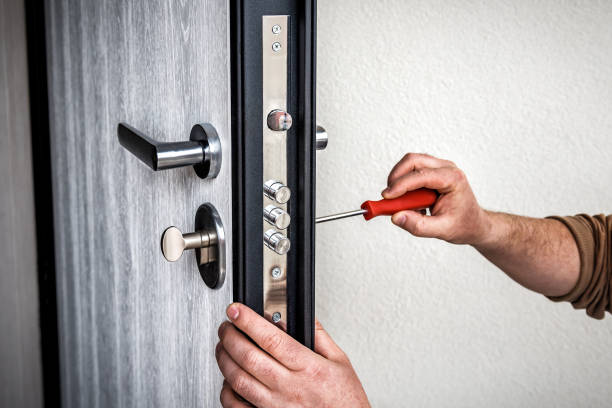
While many door security products are marketed as DIY-friendly, professional installation offers critical advantages:
- Correct alignment and fit: Even the highest-quality locks fail if doors are misaligned or frames are poorly installed
- Compliance with safety standards: Professionals ensure installations meet local building codes, fire regulations, and insurance requirements
- Durability: Proper installation prevents premature wear, ensuring long-term security
- Integration with existing security systems: Experts can seamlessly connect doors and locks with alarms, cameras, and monitoring systems
DIY installation errors such as misaligned locks or improperly reinforced frames—can compromise security, leaving property vulnerable despite expensive hardware.
See also: Revolutionizing Home Charging for Electric Vehicles
Enhancing Door Security Further
Beyond reinforced doors and high-quality locks, several complementary measures can strengthen access control:
- Security Cameras: Visible cameras deter potential intruders and provide vital evidence in case of incidents
- Door Frame Reinforcement: Strengthened frames prevent forced entry, often a weak point in many homes and offices
- Multi-Point Locking Systems: Locks that secure doors at multiple points offer superior resistance against forced entry
- Peepholes and Intercoms: Allow occupants to verify visitors before granting access
- Security Bars or Grilles: Provide additional protection for high-risk areas while maintaining aesthetic appeal
These enhancements, combined with professional installation, create a comprehensive security strategy that addresses both entry prevention and monitoring.
Conclusion
Door security installation is a proactive and essential investment in safeguarding your property. From residential front doors to sophisticated commercial access control systems, professional installation ensures doors are strong, durable, and integrated with other security measures. By combining reinforced doors, deadbolts, smart locks, and advanced access control systems, property owners can significantly reduce risk, deter intruders, and enjoy peace of mind.
For expert consultation and professional door security installation tailored to your property’s unique requirements, contact us certified security provider today. Prioritizing your doors’ security is the first step in creating a safer, more secure environment for everyone inside.