One sink draining slowly likely means you’ve got a clog in the pipes under your sink. But when the kitchen sink and other fixtures start draining slowly, you might have a clogged sewer drain.
Because every household drain eventually connects to the main sewer line, a sewer drain clog can interfere with plumbing throughout your home. Recognizing the symptoms early may help Sun City homeowners avoid sewage backups, water damage, and an urgent cleanup.
Multiple Slow Drains? You Might Have a Sewer Drain Clog
Each plumbing fixture has its own drainpipe. Those smaller pipes eventually connect to larger branch lines and then to the main sewer line, which carries wastewater away from the house. A blockage near one fixture typically affects only that fixture. Hair in a shower drain, for example, should not normally cause a kitchen sink on the other side of the house to drain slowly.
A main sewer line obstruction is different. Because the clog is located downstream from several fixtures, wastewater from throughout the house has trouble passing through the pipe. The problem may first appear as sluggish drains before progressing to gurgling toilets or sewage backing up through a low fixture.
A clogged sewer drain generally will not disappear on its own. As more wastewater and debris reach the obstruction, the opening may continue to narrow until the line becomes completely blocked.
Warning Signs of a Clogged Sewer Drain
Slow drains are not the only indication of a sewer line problem. You may also notice:
Gurgling Toilets
A toilet may gurgle when air trapped inside the drainage system is forced back through the bowl. You might hear the sound after running a sink, draining a bathtub, or using the washing machine.
Occasional noises do not always indicate a serious problem, but repeated gurgling combined with slow drains deserves attention.
Water Backing Up Through Another Fixture
Water appearing in a fixture you are not using is one of the clearest signs of a shared drain or sewer problem. You might notice water coming up in the bathtub when the toilet is flushed or running the washing machine may cause water to emerge through a shower drain. This happens because wastewater cannot move past the blockage and is being redirected toward another available opening.
Sewage Odors Inside or Outside
A healthy drainage system should contain sewer gases and carry them safely away from the home. Persistent sewage odors near drains, bathrooms, or the yard may indicate that wastewater is not moving properly.
Odors can also have other causes, including a dry drain trap or plumbing vent problem. When they occur with multiple slow drains, however, a sewer drain clog becomes more likely.
Recurring Drain Clogs
When several drains repeatedly slow down after plunging or cleaning, the real obstruction may be farther down the system. Temporary improvement does not necessarily mean the sewer line is clear. Water may be passing through a small opening while grease, roots, paper products, or other material remains inside the pipe.
What Causes Main Sewer Line Clogs?
A main sewer line may become blocked by one material or a combination of problems:
- Tree roots can enter through small cracks or loose pipe joints in search of moisture. Once inside, they may grow into a dense mass that catches paper and waste.
- Grease, wipes, paper towels, hygiene products, and other materials can also accumulate inside the line.
- Older pipes may sag, crack, collapse, or shift out of alignment.
- A low section of pipe can collect water and debris, while damaged pipe walls may restrict flow or allow soil to enter.
The right repair depends on the cause, location, and condition of the sewer line.
When a Sewer Clog Needs Immediate Service
Contact a plumber promptly when multiple drains are slow, especially when the symptoms are getting worse. Immediate service is particularly important when:
- Sewage is backing up into a tub, shower, sink, or toilet
- Wastewater is spreading across a floor
- Toilets will not flush properly
- Several fixtures stop draining
- Strong sewer odors persist inside the home
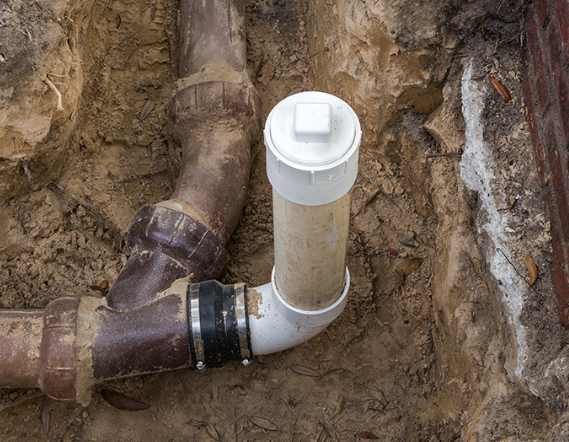
- Water appears near a sewer cleanout or in the yard
Until the line is inspected, limit water use throughout the house. Avoid running the dishwasher or washing machine, taking showers, or repeatedly flushing toilets. Every gallon sent into the drainage system can increase the risk of another backup. Also, avoid direct contact with sewage because it may contain harmful bacteria and other contaminants. Keep children and pets away from affected areas and arrange for professional cleanup when necessary.
Homeowners should also review their insurance coverage before a problem occurs. Standard homeowners’ policies often do not include damage caused by sewer or drain backups unless optional water-backup coverage or an endorsement has been added.
See also: Top Business Challenges in 2026 and How to Overcome Them
Don’t Ignore Whole-House Drain Problems
A clogged sink or shower can be inconvenient, but widespread drainage problems may indicate a blockage capable of affecting your entire house. Addressing the warning signs before the sewer line becomes completely blocked can reduce the likelihood of property damage, contaminated water, and an emergency repair.
Contact George Brazil Plumbing & Electrical for fast sewer and drain service when multiple drains in your Sun City home begin slowing down, gurgling, or backing up.