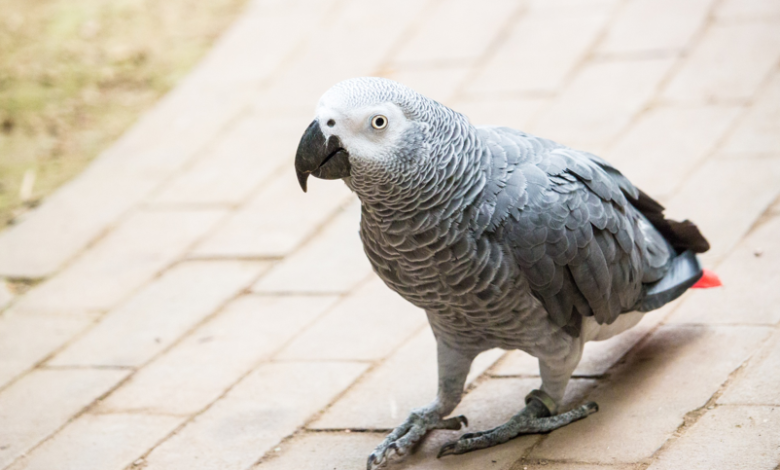
A healthy African Grey has bright eyes, smooth feathers, a clean vent, steady balance, and an alert, curious attitude. Avoid birds that are fluffed up, wheezing, or sitting silent at the bottom of the cage.
Key Takeaways:
- Hands-On Inspection: Visiting reputable local Belfast specialists lets you verify all 10 health signs in person before buying.
- Species-Specific Gear: Sourcing heavy-duty cages in Lisburn ensures your African Grey gets durable, properly sized housing.
- Expert Support: You will receive in-person guidance from reputable pet shops in Lisburn and Belfast; it helps create a safe home environment for a smooth, stress-free transition.
Choosing an African Grey parrot is an exciting commitment, but picking an unhealthy bird leads to heartbreak and expensive veterinary bills.
Unsure how to spot hidden illness? This guide breaks down the ten critical health checks you must perform to ensure you bring home a thriving, resilient companion.
10 Signs Your African Grey Parrot is Healthy
Choosing the right bird matters. A healthy start means fewer vet bills and a stronger bond for decades.
The most critical advice buyers should follow in selecting African Grey Parrots for sale in Belfast is to stand back and observe the bird uninterrupted for five minutes; prey animals like African Greys instinctively mask severe illness the moment they feel watched.
Here is exactly what to check before you buy-
1. Bright, Clear Eyes
The eyes of your African Grey Parrot should look alert, not half-closed or sunken, with no discharge, no swelling, and no crust around the rims.
2. Clean, Dry Nostrils
Wet, crusty, or blocked nostrils often signal a respiratory issue. Therefore, the nares of a healthy African grey parrot should be open and dry.
3. Smooth, Well-Preened Feathers
Feathers of your African Grey parrot should lie flat and shine slightly. Watch for bald patches, stress bars (appear during nutritional deficits during feather growth), or feathers that look chewed. These aspects point to poor nutrition or plucking.
4. Strong, Steady Grip
An African Grey parrot should have a symmetrical, firm grip with straight toes, smooth skin, and intact nails. It should have zygodactyl foot structure and symmetrical weight distribution.
Altered perching stance, physical deformities, and reluctance to move around the cage are the subtle warning signs. Also, watch out for frequent wing flipping for balance or excessive chewing and picking at the feet.
5. Active and Curious Behaviour
Healthy chicks and adults engage with their surroundings. They should react to sound, movement, and people nearby. On the other hand, a bird that is silent, hunched, or unresponsive needs closer inspection.
6. Clean Vent Area
Check underneath the tail. Feathers here should be clean and dry. It should not be matted, stained, or crusted. That is often the first sign of digestive trouble.
7. Normal Breathing
Breathing should be quiet and effortless, even after light activity. These are critical signs of healthy respiration in birds. If an African Grey parrot displays clicking sounds, tail-bobbing (due to respiratory muscle strain), or open-mouth breathing, it indicates severe respiratory distress and requires immediate veterinary attention.
8. Good Body Condition
should have a well-muscled chest where the breast bone (keel bone) is softly covered by flesh. It should not feel sharp or prominent, nor should it feel sunken or overly padded with heavy fat.
9. A Healthy Appetite
Ask to see the bird eat. If you see a strong appetite for pellets, fruit, and veg, it is a good sign. Picky or absent eating warrants caution.
10. Proper Documentation
These are the aspects you should always ask for-
- Hatch date and breeder or seller records
- Ring number or microchip details
- Any recent vet checks or avian health certificates
Reputable sellers provide this without hesitation.
Here is a list you should consider when buying your pet bird-
| Health Indicator | What to Look For (Healthy Sign) | Red Flags (Warning Signs) |
| 1. Eyes | Bright, clear, alert, fully open | Sunken, half-closed, crusty, or swollen rims |
| 2. Nostrils (Nares) | Clean, dry, open passageways | Discharge, moisture, crusting, or blockage |
| 3. Feathers | Smooth, flat, glossy plumage | Bald patches, stress bars, chewing, or plucking |
| 4. Feet & Grip | Symmetrical, firm grip; zygodactyl toes | Reluctance to stand, deformities, or wing flipping |
| 5. Behaviour | Active, curious, responsive to sound/movement | Hunched, unresponsive, or sitting silent at bottom |
| 6. Vent Area | Clean, dry feathers beneath tail | Matched, stained, or crusted feathers |
| 7. Breathing | Quiet, effortless, steady respiration | Open-mouth breathing, tail-bobbing, or clicking sounds |
| 8. Body Condition | Well-muscled chest soft over keel bone | Sharp, prominent keel bone or excessive fat |
| 9. Appetite | Eagerly eats pellets, fruits, and vegetables | Disinterest in food or extremely picky eating |
| 10. Documentation | Hatch date, ring/chip ID, vet certificates | Seller refusal to provide health or breeding records |
Table: 10 Health Signs Checklist for African Grey Parrot
In-person health checks require buying from a local, reputable seller. Are you looking for African Grey parrots for sale in Belfast?
Finding Reputable African Grey Parrot Sellers in Belfast
Now that you know what health signs to look for, inspect birds in person at verified local breeders or specialist rescues across Belfast.
Buying locally means you can meet the bird in person, check these ten signs yourself, and get guidance straight from people who handle Greys daily.
A trustworthy local shop considering African Grey parrots for sale in Belfast will also offer:
- Free insurance cover on livestock for the first 30 days
- Expert, hands-on guidance for new and experienced owners alike
- A no-nonsense livestock policy that protects both bird and buyer
Before buying your pet bird, always ask questions and watch the bird interact with staff. A reputable shop will be confident in their bird’s health. They will encourage close inspection and will not rush the sale.
Once you have identified a healthy bird and a reliable Belfast seller, prepare your home with the right bird accessories before bringing your African Grey through the door.
Setting Up Before You Bring Your African Grey Parrot Home
Health checks do not stop at the shop. The right setup at home prevents stress-related illness in the first weeks.
Before collection day, sort these bird accessories in Lisburn–
- A cage sized for full wingspan and daily movement
- Sturdy, varied perches to protect feet and joints
- Foraging toys as your African Grey parrot will need mental stimulation, not just space
- Species-appropriate pellets, fresh produce, and supplements
For bird accessories in Lisburn, look for suppliers who stock African Grey-specific gear, not generic budgie or cockatiel items. Cage bar spacing, perch diameter, and toy durability all matter more for a bird this size and this smart.
Some local pet shops also offer home delivery for cages and larger setups, plus pet-sitting support if you travel.
See also: Hospital and Medical Software Development Trends Transforming Healthcare in the UAE
In Summary
A healthy African Grey displays bright eyes, clear nostrils, smooth plumage, a symmetrical grip, active curiosity, clean vent feathers, quiet breathing, a well-muscled keel, a strong appetite, and complete health documentation.
Avoid birds showing lethargy, tail-bobbing, fluffed feathers, or crustiness around the eyes, beak, or vent area.
Ready To Bring Home A Healthy African Grey?
When evaluating live birds in Belfast or sourcing heavy-duty cages in Lisburn, visiting reputable local specialists allows you to inspect critical health signs in person. Hands-on evaluation, knowledgeable guidance, and species-specific accessories ensure your parrot enjoys a smooth transition into a safe, well-prepared home environment.