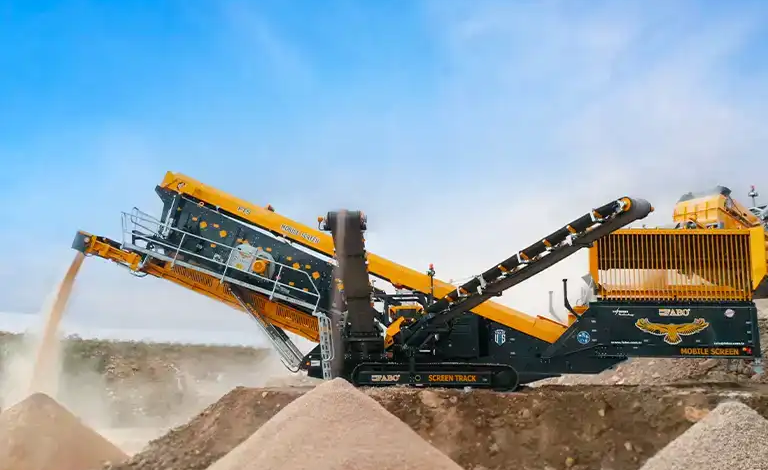
The way construction and demolition sites handle material has changed considerably over the last decade, and mobile screening plants are at the centre of that shift. The logic is to process material where it’s generated rather than trucking it somewhere else to be sorted, graded, and returned, which costs less, takes less time, and removes a major dependency. But the actual transformation happening in material handling goes deeper than the basic economics. The diesel engine powering modern mobile screening plants has evolved to the point where these machines can run harder, longer, and in more demanding conditions than previous generations, opening up applications that weren’t previously practical.
Processing on-site has transformed material handling
The traditional material handling model on a demolition or excavation site ran in one direction. Material came out of the ground or a structure, was loaded, trucked to a processing facility, and whatever came back was bought as a separate supply.
These were two separate cost events and logistics movements. They followed a timeline that depended on external processing capacity, over which the site or manager had no control.
The Mobile screening plant has shattered that model. Crushed concrete processed on-site becomes sub-base material on the same project. Excavated rock screened to specification becomes fill that doesn’t need to be purchased. So, the material that used to be a disposal cost actually ends up saving you extra supply.
For sites in the UAE running large-scale demolition or infrastructure groundworks, these numbers are huge. Disposal fees and transport costs alone can drive up your material budgets, and mobile screening can help you bring them down.
See also: The Importance of Lifeguard Certification: A Guide to Sports Lifeguarding
The machine has had to keep up with the demand
Putting a screening plant on tracks and driving it to the material is a simple concept that requires sophisticated engineering to execute well. The machine needs to maintain consistent output fractions under very harsh environments.
Modern mobile screening plants meet those requirements through multi-deck configurations that produce multiple output fractions in a single pass. Newer feed systems can also manage irregular material without the blockages that older designs were prone to. The operational result is a plant that a small crew can run productively without any downtime.
A contractor running a large infrastructure demolition project in Abu Dhabi’s industrial zone switched from trucking demolished concrete off-site to processing it in place midway through the project after the transport costs came in significantly above budget.
The mobile screening plant they brought in processed the demolished material into two usable aggregate fractions, which were returned directly to the subbase work running concurrently. The savings on transport and aggregate purchase over the remaining project duration covered the screening plant hire cost several times over. That’s an investment that paid off!
Material handling beyond the screening plant itself
Mobile screening doesn’t operate in isolation. The material going into the plant needs to get there, and the processed output needs to be managed and moved once it comes off the screen decks.
The handling operations around the screening plant are where a lot of the efficiency gains are either captured or lost, depending on how well the wider material flow has been thought through.
On road construction and rehabilitation projects, specifically, the integration between screening operations and material handling is particularly visible. Processed aggregate moving directly from a mobile screening plant into a paving or surfacing operation eliminates the stockpiling and reloading steps that add both time and handling costs.
The quality and consistency of the aggregate it’s working with directly affects the quality of the finished surface. When the screening plant is producing consistent, well-graded output, everything downstream performs better.
A bitumen spray tanker working on the same project as part of a road surfacing operation sits at the downstream end of that material chain. You won’t notice it immediately, but efficient material handling makes the tanker’s work easier as well.
The development direction for mobile screening plants is towards greater autonomy in how the machines manage themselves. The performance of the screening plant is less variable and more predictable. Predictable output from the screening plant means predictable supply for everything else, and that predictability is what makes your work completely stress-free!