Honey has long been valued not just as a natural sweetener but also as a powerful health-supporting food. In recent years, certain varieties of honey have gained international attention because of their unique nutritional and medicinal qualities. Among them, Sicilian honey and Manuka honey often appear at the center of the conversation.
Both varieties are celebrated for their purity, flavor, and health properties. Yet many people wonder which one actually provides better benefits for everyday wellness. As interest in natural foods grows, especially among those searching for the best raw honey UK has available, understanding the differences between these two honeys becomes increasingly important.
This article explores the origins, nutritional value, health properties, and practical uses of Sicilian honey and Manuka honey. By the end, you will have a clear idea of which honey may be the better choice for your health and lifestyle.
Understanding the Origins of Each Honey
The first major difference between Sicilian honey and Manuka honey lies in where and how they are produced.
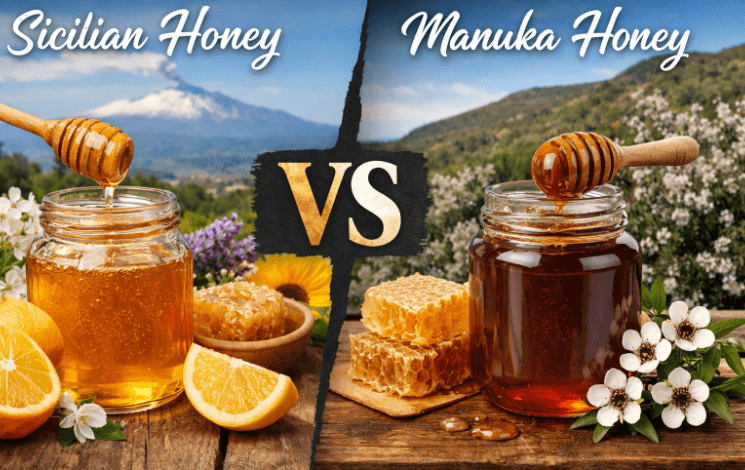
Sicilian honey comes from the island of Sicily in southern Italy. The region’s rich biodiversity, Mediterranean climate, and volcanic soil create ideal conditions for bees. This environment allows bees to collect nectar from a wide range of wildflowers, citrus blossoms, and herbs.
Many beekeepers in Sicily follow traditional methods that focus on sustainability and minimal processing. As a result, Sicilian honey is often harvested as pure, unprocessed honey that retains its natural nutrients and enzymes.
Manuka honey, on the other hand, originates from New Zealand and parts of Australia. It is produced when bees gather nectar from the Manuka bush, a plant native to these regions. Manuka honey became globally famous due to its unique antibacterial properties, which are measured using a grading system known as UMF or MGO.
While both honeys come from carefully managed environments, their botanical sources create very different nutritional and medicinal profiles.
Nutritional Composition and Natural Compounds
Raw honey naturally contains a variety of beneficial components such as antioxidants, enzymes, amino acids, and trace minerals. However, the specific profile depends heavily on the plants from which the nectar is collected.
Sicilian honey often contains a wide spectrum of plant-derived compounds because bees gather nectar from multiple floral sources. This variety can lead to a broader range of natural antioxidants and nutrients.
Typical nutritional elements found in Sicilian honey include:
- Natural antioxidants from Mediterranean flowers
- Trace minerals such as potassium, calcium, and magnesium
- Enzymes that support digestion
- Small amounts of vitamins and amino acids
Manuka honey, by contrast, is famous for its concentration of methylglyoxal, a compound responsible for its strong antibacterial activity. This compound is what sets Manuka apart from many other honey varieties.
Although both honeys contain antioxidants and enzymes, Manuka honey is particularly known for its antimicrobial strength. Sicilian honey offers a more diverse nutritional profile because of its varied botanical origins.
The Unique Health Benefits of Sicilian Honey
Sicilian honey has been used for centuries as part of the Mediterranean diet. Its health benefits largely come from its natural purity and the diversity of plants that contribute to its nectar.
Many people who seek raw honey benefits UK consumers appreciate often turn to Mediterranean honey varieties for their natural qualities.
Some of the most notable health advantages include:
- Natural immune system support due to antioxidant content
- Gentle digestive support when consumed regularly
- Anti-inflammatory compounds that help the body combat oxidative stress
- Natural energy from easily digestible sugars
Because Sicilian honey is typically harvested in raw form, it retains enzymes that can support digestion and gut health. These enzymes are often reduced when honey is heavily processed.
Another appealing aspect is flavor. Sicilian honey varieties such as orange blossom, wildflower, or chestnut honey offer rich and distinctive tastes that make them easy to incorporate into everyday meals.
For individuals searching for premium Mediterranean honey, many specialty food stores now offer authentic Sicilian honey UK suppliers import directly from trusted Italian beekeepers.
The Powerful Medicinal Reputation of Manuka Honey
Manuka honey’s reputation grew rapidly after scientists discovered its unusual antibacterial strength. This characteristic has made it one of the most researched honeys in the world.
The compound methylglyoxal gives Manuka honey its unique ability to fight certain types of bacteria. Because of this property, it is often used in medical settings for wound care and skin treatment.
Common uses of Manuka honey include:
- Supporting wound healing
- Soothing sore throats
- Helping with minor digestive discomfort
- Providing antibacterial protection
Many people also consume Manuka honey during cold and flu season because of its antimicrobial activity.
However, this honey typically comes at a much higher price than other varieties. Premium Manuka honey can be significantly more expensive due to limited production and the specialized grading system used to measure its potency.
While its medicinal strength is impressive, it is important to note that not everyone needs such a high antibacterial level for everyday wellness.
Taste, Texture, and Culinary Use
Health benefits are important, but flavor and usability also play a major role in choosing the right honey.
Sicilian honey is often praised for its aromatic complexity. Depending on the floral source, it can offer bright citrus notes, herbal undertones, or deep caramel flavors.
This versatility makes it ideal for daily use in the kitchen. It pairs beautifully with:
- Herbal teas
- Yogurt and fruit bowls
- Toast and pastries
- Cheese boards
- Mediterranean cooking
Manuka honey has a thicker texture and a stronger, slightly earthy taste. Some people enjoy this unique flavor, while others find it too intense for everyday meals.
Because of its high cost, many consumers prefer to reserve Manuka honey for medicinal uses rather than regular cooking.
In contrast, Sicilian honey is often used more frequently in everyday diets, especially among people exploring raw honey London specialty shops now stock as part of the growing interest in natural foods.
Availability and Authenticity in the UK Market
As natural foods continue to gain popularity, the demand for high quality honey has increased throughout the UK.
Consumers searching for the best raw honey UK suppliers offer often look for authenticity, minimal processing, and traceable origins. Both Sicilian and Manuka honey can be found in the UK, but availability and pricing differ significantly.
Manuka honey is widely distributed through health stores and pharmacies. However, its popularity has also led to concerns about counterfeit products. Authentic Manuka honey must meet strict testing standards.
Sicilian honey, while less marketed globally, is becoming more popular among specialty food retailers and gourmet markets. Buyers who prioritize traditional beekeeping methods and Mediterranean sourcing often prefer it for everyday consumption.
When choosing any honey, it is helpful to check for:
- Clear country of origin
- Raw or minimally processed labeling
- Trusted suppliers or beekeepers
- Independent quality testing
These factors help ensure the honey retains its natural nutritional value.
Which Honey Offers Better Everyday Wellness?
Comparing Sicilian honey and Manuka honey is not about declaring one universally superior. Instead, it is about understanding how each type fits into different health goals.
Manuka honey stands out when antibacterial potency is the primary concern. Its scientifically measured compounds make it particularly useful for targeted therapeutic uses.
Sicilian honey shines when the goal is balanced nutrition, daily wellness, and enjoyable flavor. Its rich variety of floral sources provides a broader range of antioxidants and nutrients, making it suitable for regular dietary use.
Many nutrition enthusiasts believe the best approach is to incorporate natural foods that can be enjoyed consistently. For this reason, Mediterranean honeys like Sicilian varieties often become a staple in everyday diets.
Choosing high quality raw honey that retains its natural enzymes and nutrients is ultimately more important than focusing on hype or branding.
Read also: Streamlining Healthcare Management with Cutting-Edge Software Solutions
The Sweet Choice for a Healthier Lifestyle
Both Sicilian honey and Manuka honey offer impressive health benefits, and each has its own unique strengths.
Manuka honey is known for its strong antibacterial properties and medical applications. It can be a valuable addition to a natural wellness routine, especially during illness or when additional antimicrobial support is needed.
Sicilian honey, however, offers a more balanced approach to everyday nutrition. Its diverse plant origins provide antioxidants, natural enzymes, and a rich flavor that fits easily into daily meals.
For people seeking a natural sweetener that supports wellness while also enhancing food and drinks, Sicilian honey often proves to be the more practical and enjoyable option.
In the end, the healthiest choice is the one that encourages consistent use of natural, minimally processed foods. High quality honey, when sourced carefully and consumed in moderation, remains one of nature’s most delicious ways to support overall wellbeing.