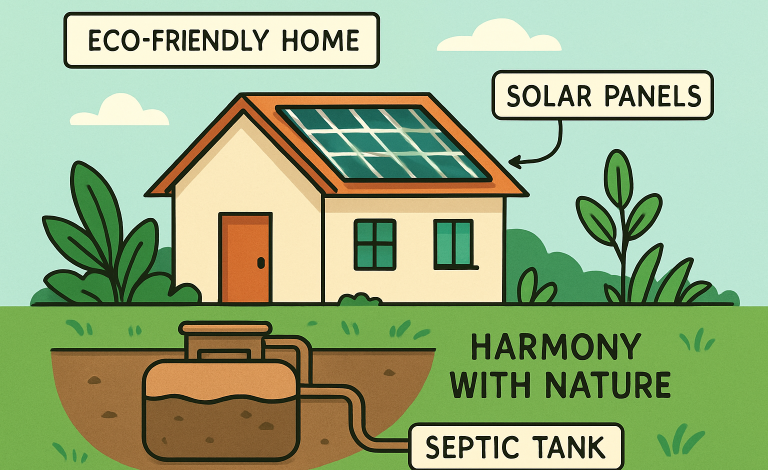
Understanding Eco-Friendly Septic Systems
As homeowners strive to minimize their environmental footprint, sustainable alternatives for everyday necessities are gaining popularity. Septic systems, a critical aspect of home infrastructure, are no exception. Traditional septic systems treat wastewater, but they often lack adequate mechanisms to reduce pollutants or conserve resources. Today’s eco-friendly solutions address these gaps by leveraging renewable materials and green technologies. For homeowners seeking septic pumping Owasso or a modern approach to wastewater treatment, understanding the core principles of sustainability is the ideal starting point.
Modern eco-friendly septic systems effectively manage household wastewater while minimizing environmental impact through natural filtration and biological treatment processes. Unlike conventional systems, they prioritize sustainable resource management by using biodegradable materials, enhancing water quality, and protecting local ecosystems. The adoption of these systems reflects a growing responsibility among homeowners to balance effective waste management with environmental preservation, providing benefits such as reduced maintenance needs and cleaner communal water.
Key Components of Sustainable Septic Systems
- Renewable Filter Media: Commonly made from materials such as coconut husk fibers or peat moss, renewable filters are biodegradable and effective at trapping harmful substances. These filters significantly decrease nutrient loads in effluent, ensuring cleaner water enters the environment.
- Constructed Wetlands: By replicating natural wetland habitats, these systems use dense plant roots and soils to treat wastewater biologically. Not only do they enhance system efficiency, but they also add a natural, aesthetic touch to residential landscapes.
- Solar-Powered Operations:Incorporating solar panels to run pumps, blowers, and monitoring equipment decreases the reliance on fossil fuels, further lowering the septic system’s overall carbon emissions.
These individual advancements can be implemented independently or as part of an integrated system, depending on local regulations, site characteristics, and homeowner goals.
Benefits of Eco-Friendly Septic Systems
The primary motivation for embracing eco-friendly septic technology is its environmental impact. Advanced treatment processes result in cleaner, safer water returning to the earth—dramatically reducing the risk of groundwater contamination and eutrophication in nearby bodies of water. Minimizing hazardous chemical usage further benefits local flora and fauna.
- Environmental Protection: Enhanced treatment capabilities prevent harmful pollutants and pathogens from entering the water table, preserving local biodiversity.
- Resource Conservation: Eco-friendly systems typically reuse treated water for landscaping or flushing, reducing water waste and demand on municipal resources.
- Cost Savings: Although upfront investments in green systems may be higher, their ongoing maintenance and energy expenditures are often significantly lower, resulting in substantial long-term savings.
Additionally, many localities offer incentives or rebates for upgrading to advanced septic systems, which offset initial installation costs and promote wider adoption.
See also: The Future of Home Buying: Trends and Innovations Shaping the Market
Implementing an Eco-Friendly Septic System
- Assessment: Start with a detailed evaluation of your property. Soil conditions, groundwater levels, lot size, and local codes will determine which types of systems are feasible. A qualified environmental engineer or septic system professional can guide this process.
- Design: Partner with experts experienced in sustainable septic design. Your system should be customized to daily water usage, site-specific constraints, and the desired level of treatment.
- Installation: Proper installation ensures longevity and effectiveness. Work with certified installers to avoid complications and guarantee that the system meets all local codes and sustainability standards.
- Maintenance: Routine inspections and scheduled servicing are vital. While many eco-friendly systems require less frequent pumping, regular filter changes and plant care (for constructed wetlands) are essential.
Adopting best practices for use and maintenance can extend your system’s lifespan and improve its efficiency. Information from established authorities, like the EPA’s guide to septic systems, can help inform smart choices as you navigate the selection process.
Real-Life Example: Cape Cod’s Innovative Approach
In Barnstable, Massachusetts, a neighborhood-scale pilot project replaced traditional septic systems with advanced innovative/alternative (IA) units capable of significantly higher nitrogen removal. This strategic upgrade was designed to mitigate nutrient runoff into nearby estuaries and freshwater ponds, which can lead to harmful algal blooms and disrupt natural habitats. According to the EPA, these eco-friendly improvements have set a precedent for communities across the country considering their own wastewater upgrades.
Challenges and Considerations
- Initial Costs: Advanced materials, specialized installation, and energy-efficient equipment can raise upfront costs, but these are often offset by reduced operating and maintenance expenses over time.
- Regulatory Compliance: Homeowners must ensure that their chosen system aligns with local environmental standards and zoning requirements. Consulting with local planning agencies early on streamlines approval processes.
- Maintenance Requirements: While some eco-friendly systems require less routine pumping, others, such as wetland-based designs, may necessitate more frequent monitoring and plant care.
Proper planning and informed decision-making are key to reaping the full benefits of sustainable septic technology.
Conclusion
Transitioning to an eco-friendly septic system is an investment in both your property and the broader environment. By opting for solutions that leverage natural processes and renewable resources, homeowners can manage wastewater responsibly while protecting the planet for future generations. As technology and best practices continue to evolve, eco-friendly septic systems are poised to become the standard for sustainable living in modern homes.