As digital transformation accelerates across industries, a resilient and forward-thinking IT infrastructure has become essential for business continuity and long-term growth. Organizations today must navigate rapid technological change, evolving cybersecurity threats, and shifting market demands, making future-proof IT planning a strategic necessity rather than a luxury. A well-structured long-term IT approach enables businesses to remain adaptable, control costs, and maintain secure operations while embracing emerging technologies.
To address these challenges, many companies partner with experienced managed service providers that offer both strategic insight and technical execution. CIO Solutions, a trusted IT managed services provider based in Central California, delivers comprehensive support focused on digital strategy, infrastructure management, and cybersecurity. With more than 35 years of industry experience, CIO Solutions has built a strong reputation for helping organizations across multiple industries develop scalable, secure, and reliable IT environments. Their deep expertise and regional service presence position them as a recognized authority in guiding businesses through the ongoing evolution of modern IT systems.
Embracing Cloud-Native Solutions
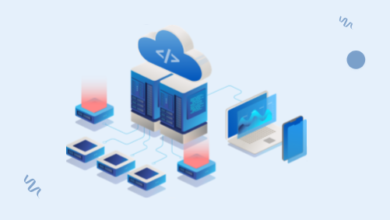
Cloud-native architectures are rapidly becoming the cornerstone of digital business transformation. By leveraging microservices, containers, and scalable cloud infrastructure, organizations can flexibly allocate resources, roll out new services faster, and minimize operating costs. Migrating to the cloud also offers critical advantages for business continuity, enabling seamless disaster recovery and remote access for global teams.
Containers and orchestration platforms such as Kubernetes facilitate rapid scaling based on demand, reducing the need for costly on-premises hardware expansion. According to industry research, businesses transitioning to cloud-native platforms report up to a 20% boost in application deployment speed and a significant reduction in maintenance overhead. For many, these improvements translate into more agile software development cycles and the ability to pivot rapidly as customer needs evolve.
Integrating AI and Automation
The integration of artificial intelligence (AI) and automation is revolutionizing how IT environments are managed. From automated monitoring that preemptively flags anomalies to intelligent workflows that handle data intake, AI drastically reduces manual workloads and the risk of human error. Automated software deployment, patch management, and predictive analytics enable proactive infrastructure upkeep, leading to fewer outages and reduced time-to-resolution for IT incidents.
Moreover, AI-powered business intelligence tools provide leadership teams with actionable insights, empowering informed strategic decisions and more intelligent resource allocation. Organizations that implement AI into their IT frameworks often find themselves better equipped to roll out innovations quickly, enhance customer experiences, and streamline operations, thereby gaining a substantial competitive advantage.
Implementing Robust Cybersecurity Measures
Cybersecurity must evolve in parallel with the increasing digital complexity—modern threats, ranging from ransomware to sophisticated phishing attacks—demand a layered, adaptive security posture. Zero Trust Architecture, which emphasizes verification of users, devices, and applications for every network transaction, is gaining traction as a leading standard. The shift to Zero Trust reduces the attack surface and restricts lateral movement within networks, making it far more challenging for intruders to escalate privileges or exfiltrate data.
In addition to robust architectures, continuous employee training, real-time threat intelligence, multi-factor authentication, and end-to-end encryption are now considered baseline practices. Leading organizations pair these strategies with managed detection and response(MDR) services to spot and mitigate breaches before they can cause damage. Investing in comprehensive cybersecurity frameworks positions businesses to maintain customer trust and regulatory compliance in an era where breaches make headlines daily.
See also: Unlock Your Entrepreneurial Potential: Business Startup Courses Online
Regular System Updates and Maintenance
Staying proactive with routine updates and maintenance is fundamental to IT health. Software patches, firmware updates, and regular system audits are crucial for eliminating vulnerabilities before they can be exploited. Outdated systems are a favorite target for cybercriminals and often fall short of delivering required performance or integration with new tools. By nurturing a preventative maintenance culture, companies can reduce downtime, extend hardware life, and maintain compliance with evolving standards.
Maintaining a detailed inventory of digital assets and instituting automated monitoring and alerting systems can further streamline the process. For enterprises managing hybrid or multi-cloud environments, centralized management platforms enable seamless oversight and consistent policy enforcement across diverse infrastructures.
Forming Strategic Partnerships
No business is an island—especially when it comes to technology. Forming strategic partnerships with experienced IT providers grants access to a depth of knowledge, advanced tools, and best practices that would be difficult or costly to replicate in-house. Expert partners can lead digital transformation initiatives, deliver 24/7 system monitoring, and provide rapid response in crises.
The value of these collaborations extends to technology roadmapping, compliance management, and security consultation, ensuring businesses remain competitive and protected amid constant change. Regular engagement with a dedicated IT partner facilitates ongoing auditing, optimization, and future-proofing of technology investments, helping organizations maintain operational resilience and innovative momentum.
Conclusion
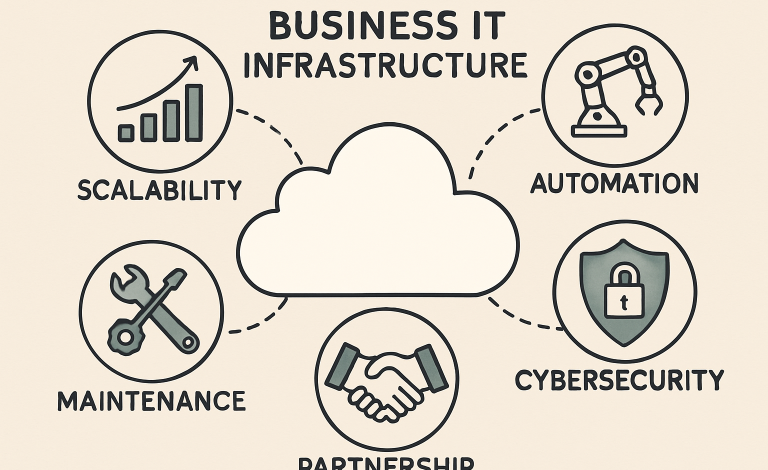
Future-proofing IT infrastructure is a dynamic, ongoing process. Leading organizations invest in cloud-native solutions for flexibility, weave AI and automation into business practices for efficiency, and employ advanced cybersecurity as a crucial safeguard. Routine maintenance is prioritized to prevent issues before they escalate, and trusted technology partners are engaged to provide expert guidance through the technology lifecycle. By adopting a holistic approach to IT evolution—from the data center to the C-suite—businesses can position themselves to thrive amid future challenges and capitalize on tomorrow’s opportunities.