Matching Window Treatments With Interior Design Styles: Modern, Classic, or Transitional

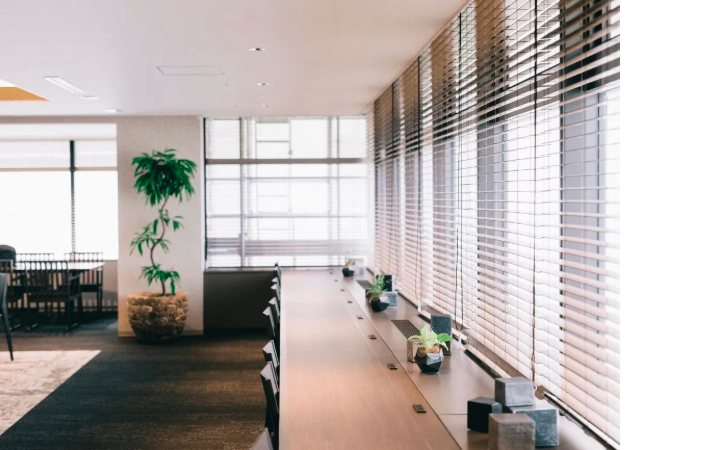
Window treatments are a defining element of interior design, shaping light, privacy, texture, and visual balance in a space. Choosing the right style is not simply about covering windows. It is about aligning materials, colors, and forms with the overall design language of a room. Whether a home leans toward sleek minimalism, timeless tradition, or a blended transitional look, custom window solutions help create cohesion. Custom window treatments offer flexibility in fabric, hardware, and construction, allowing homeowners and designers to match windows precisely with modern, classic, or transitional interiors.
Understanding the Role of Window Treatments in Interior Design
Window treatments influence both aesthetics and function. They frame views, soften architectural lines, and regulate natural light. The style, scale, and layering approach of curtains, shades, or blinds should reflect the broader design theme of the room to avoid visual disconnect.
Key design factors affected by window treatments include:
- Light diffusion and brightness control
- Perceived height and width of windows
- Texture and material layering
- Color harmony with furnishings and walls
When window coverings align with interior style, the space appears intentional and balanced rather than pieced together.
Modern Interior Style and Window Treatment Pairings
Modern interiors emphasize clean lines, simplicity, and uncluttered surfaces. Furniture tends to be low profile with smooth finishes and neutral or monochromatic palettes. Window treatments in modern spaces should follow the same restrained approach.
Characteristics of Modern Window Treatments
Modern window coverings typically prioritize function and geometry over ornamentation. Shapes are streamlined and hardware is subtle or concealed.
- Flat or tailored silhouettes without pleats or ruffles
- Neutral tones such as white, gray, beige, or black
- Smooth fabrics like linen blends or polyester sheers
- Minimal visible hardware or track systems
Best Options for Modern Spaces
Roller shades and panel track systems are common in contemporary interiors because they create a uniform, architectural look. Floor length sheer curtains add softness without breaking the minimalist aesthetic. Motorized shades are also popular since technology aligns with modern living principles.
Avoid heavy valances, ornate rods, or layered swags in modern interiors. These introduce visual complexity that contradicts the clean design language.
Classic Interior Style and Window Treatment Pairings
Classic interiors draw from historical European and colonial influences. They feature symmetry, decorative molding, rich wood furniture, and layered textiles. Window treatments in traditional rooms should reinforce this sense of elegance and structure.
Characteristics of Classic Window Treatments
Traditional window coverings emphasize fullness, detail, and craftsmanship. Fabrics and hardware often appear luxurious and substantial.
- Pleated drapery styles such as pinch pleat or goblet pleat
- Decorative rods, finials, and tiebacks
- Rich fabrics like silk, damask, velvet, or brocade
- Layered construction with sheers and valances
See also: Emergency Roof Repairs: Immediate Steps Homeowners Should Take
Best Options for Classic Spaces
Full length drapery panels with structured pleats create the formal symmetry typical of traditional interiors. Valances and cornices add architectural emphasis above the window. Wood blinds or shutters beneath drapes maintain privacy while complementing classic furniture tones.
Color palettes often include warm neutrals, deep reds, golds, or soft blues that echo upholstery and rugs. Patterns such as florals or damask reinforce the historical character of the space.
Transitional Interior Style and Window Treatment Pairings
Transitional interiors blend modern simplicity with traditional warmth. They avoid extremes, combining clean lines with soft textures and neutral palettes. Window treatments in transitional rooms should appear tailored but not stark, decorative but not ornate.
Characteristics of Transitional Window Treatments
Transitional window coverings strike a balance between minimalism and tradition. They use texture and subtle detail rather than elaborate decoration.
- Soft pleats or relaxed folds
- Neutral or muted color palettes
- Natural fabrics such as linen or cotton
- Limited but refined hardware
Best Options for Transitional Spaces
Roman shades are especially popular in transitional interiors because they provide structure while retaining softness. Drapery panels with simple pleats or grommets also work well. Layering sheer panels with textured curtains adds depth without heaviness.
Patterns are typically understated, including small geometrics, subtle stripes, or tone on tone textures. The goal is harmony rather than strong contrast.
Comparing Modern, Classic, and Transitional Window Treatments
Understanding the differences between design styles helps ensure consistency throughout a home. Window treatments should not compete with furniture or architectural details but reinforce them.
Fabric Selection Across Interior Styles
Fabric choice strongly influences how window treatments relate to interior design. Weight, texture, and pattern all contribute to style alignment.
Modern Fabrics
Modern interiors favor materials that appear crisp and uncomplicated. Sheers and lightweight blends maintain brightness and visual openness. Matte finishes are preferred over sheen.
Classic Fabrics
Traditional spaces benefit from heavier, more decorative textiles. Silk, velvet, and brocade introduce richness and depth. Patterned fabrics often echo upholstery or wallpaper motifs.
Transitional Fabrics
Transitional interiors emphasize tactile texture rather than ornate pattern. Linen, cotton blends, and softly woven materials provide warmth without heaviness. Subtle tonal variation keeps the look refined.
Color Coordination With Interior Styles
Color harmony ensures window treatments feel integrated rather than separate. Each design style uses color differently.
Modern Color Approach
Modern interiors typically rely on monochromatic or limited palettes. Window treatments often match wall color or remain within the same tonal family. This creates continuity and reduces visual interruption.
Classic Color Approach
Traditional rooms use coordinated but richer palettes. Drapes may match accent colors found in rugs, upholstery, or decorative trim. Contrast is acceptable when it reinforces symmetry or hierarchy.
Transitional Color Approach
Transitional spaces use layered neutrals such as beige, taupe, gray, or soft white. Window treatments often stay within these tones but add texture for depth. Occasional muted color accents maintain warmth.
Hardware and Installation Considerations
Hardware contributes significantly to style perception. The visibility and decoration level of rods and tracks should align with the interior theme.
Modern interiors favor concealed tracks or slim rods in matte finishes. Mounting curtains close to the ceiling enhances height and architectural clarity.
Classic interiors highlight hardware as decorative elements. Finials, carved rods, and metallic finishes complement traditional furnishings. Installation often emphasizes symmetry and framing.
Transitional interiors use simplified rods in neutral metals or painted finishes. Hardware remains visible but understated, bridging modern and traditional elements.
Layering Strategies by Style
Layering affects both aesthetics and light control. Each interior style uses layering differently to achieve its characteristic look.
Modern spaces typically avoid multiple layers. A single shade or sheer curtain maintains simplicity and openness.
Classic interiors often combine sheers, drapes, and valances. This layered structure creates depth and formality.
Transitional rooms use moderate layering. Sheer panels paired with textured drapes or Roman shades provide softness without excess ornamentation.
Achieving Cohesion Throughout the Home
Homes often include multiple interior styles across rooms. Consistency in window treatment approach helps maintain visual flow even when furniture changes.
Strategies for cohesion include:
- Repeating similar fabrics or colors in different constructions
- Keeping hardware finishes consistent across rooms
- Using related silhouettes such as panels or shades throughout
- Maintaining proportional scale relative to window size
These methods allow variation without fragmentation, ensuring each room relates to the overall design identity.
Common Mismatches to Avoid
Even well designed interiors can feel disjointed if window treatments conflict with style principles. Frequent mismatches include:
- Ornate drapery in minimalist modern rooms
- Bare roller shades in formal traditional spaces
- Excessive layering in transitional interiors
- Highly patterned fabrics in sleek contemporary settings
Avoiding these conflicts preserves stylistic clarity and enhances perceived quality.
The Value of Style Specific Customization
Standard window coverings often fail to align precisely with interior design styles. Dimensions, fabric choices, and hardware options may be limited. Custom solutions allow exact alignment with architectural proportions and décor elements.
Tailored length, pleat type, mounting height, and fabric selection ensure window treatments reinforce rather than contradict interior style. This precision is especially important in professionally designed spaces where details determine overall cohesion.
Conclusion
Window treatments are integral to interior design identity. Their form, fabric, color, and installation method should reflect whether a space is modern, classic, or transitional. Modern interiors benefit from sleek simplicity and minimal layering. Classic rooms require fullness, structure, and decorative richness. Transitional spaces balance softness and restraint through textured neutrals and tailored shapes.
When window coverings align with interior style, they enhance architecture, unify décor, and refine spatial perception. Thoughtful selection ensures windows become a seamless part of the design narrative rather than an afterthought.