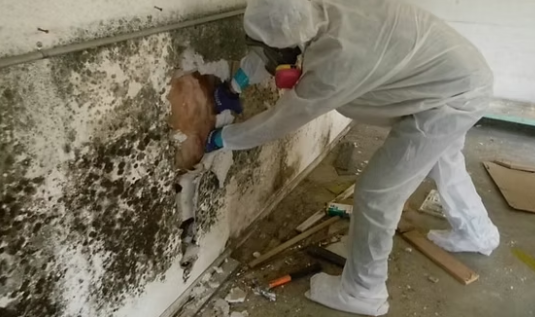
Black mold is one of the most searched indoor air quality concerns, especially for homeowners dealing with damp basements, leaks, or past water damage. The short answer is: black mold can be harmful in certain conditions, but the real risk depends on exposure level, indoor environment, and a person’s health sensitivity. In places like Long Island, where humidity and coastal moisture are common, mold growth can become a serious issue if it is not inspected and controlled early.
At Quest Testing, we provide Black Mold Testing in Long Island to help homeowners understand what is actually growing inside their property, and whether it poses a real health risk. Science shows that not all mold is equally dangerous, but some types, especially Stachybotrys chartarum, commonly called black mold, require careful attention when they appear indoors.
What Exactly Is “Black Mold”?
Black mold is not a single species of mold, but a term commonly used for dark greenish-black molds that grow in damp, cellulose-rich environments. The most well-known type is Stachybotrys chartarum, which thrives on materials like:
- Drywall and gypsum board
- Wood and paper-based products
- Carpet backing
- Ceiling tiles exposed to moisture
Mold spores are naturally present in the air both indoors and outdoors. They only become a problem when they find moisture and begin to grow and multiply inside buildings.
The key issue is not just the presence of mold, but active mold growth indoors combined with ongoing moisture problems.
What Science Says About Black Mold Risks
Scientific research shows that black mold exposure does not affect everyone in the same way. Health risks depend on:
- Duration of exposure
- Amount of mold present
- Ventilation quality
- Individual sensitivity (asthma, allergies, immune conditions)
Black mold produces compounds called mycotoxins under certain conditions. These substances have been studied for their potential effects on human health. However, experts agree that inhalation exposure in indoor environments is complex and varies widely.
Common findings from environmental health studies include:
- Mold exposure can worsen asthma symptoms
- It may trigger allergic reactions in sensitive individuals
- Prolonged exposure in damp buildings is linked to respiratory irritation
- Children and elderly individuals may be more affected
However, science also shows that not every black-colored mold is highly toxic, and not every presence of mold leads to serious illness. This is why professional inspection and Black Mold Testing in Long Island is important before making assumptions.
Health Effects Linked to Black Mold Exposure
When mold is actively growing indoors, it can affect indoor air quality. People exposed for long periods may experience symptoms such as:
- Persistent coughing or sneezing
- Nasal congestion or sinus irritation
- Eye irritation or redness
- Headaches and fatigue
- Worsening asthma symptoms
- Skin irritation in some cases
In more sensitive individuals, especially those with existing respiratory conditions, symptoms may be more noticeable.
It is important to understand that these symptoms are not exclusive to mold exposure. They can also be caused by dust, pollen, or other indoor pollutants. That is why testing is essential before drawing conclusions.
Why Black Mold Becomes a Serious Problem Indoors
Black mold becomes a concern when three conditions are present:
- Moisture Source Exists
Leaks, flooding, roof damage, or condensation allow mold to grow. - Poor Ventilation
Stagnant air allows spores to accumulate indoors. - Organic Materials Are Present
Drywall, wood, and insulation provide food sources for mold.
In Long Island homes, basements and crawl spaces are especially vulnerable due to groundwater moisture and seasonal humidity changes.
Without proper inspection, mold can spread behind walls, under flooring, and inside HVAC systems.
Why Black Mold Testing Matters in Long Island Homes
Many homeowners assume they can visually confirm mold danger. However, science shows that visible mold is only part of the problem. Hidden mold growth can exist behind surfaces long before it becomes visible.
This is where Black Mold Testing in Long Island becomes essential.
Professional testing helps to:
- Identify mold type and concentration
- Detect hidden mold growth inside walls or ceilings
- Measure indoor spore levels
- Evaluate indoor air quality conditions
- Determine moisture sources contributing to growth
At Quest Testing, we use structured testing methods that help homeowners understand whether mold is just present or actively impacting indoor air quality.
How Black Mold Testing Works
A professional mold testing process usually includes a combination of inspection and laboratory analysis. The goal is not just to find mold, but to understand the full environmental condition of the home.
Step-by-step process:
1. Visual Inspection
We check common risk areas like basements, bathrooms, attics, and HVAC systems for moisture and visible mold growth.
2. Air Sampling
Air samples are collected to measure airborne mold spores and compare indoor vs outdoor levels.
3. Surface Sampling (if needed)
Swab or tape samples may be taken from visible growth areas.
4. Lab Analysis
Samples are analyzed to identify mold species and concentration levels.
5. Detailed Report
Homeowners receive a clear report explaining findings and recommended next steps.
This process helps separate harmless background spores from active indoor contamination.
Common Myths About Black Mold
There is a lot of misinformation about black mold. Clearing these myths helps homeowners make better decisions.
Myth 1: All black mold is deadly
Not true. While some molds produce toxins, risk depends on exposure and conditions.
Myth 2: If you can’t see it, it’s not there
False. Mold often grows behind walls or under flooring.
Myth 3: Bleach solves all mold problems
Bleach may remove surface stains, but it does not fix underlying moisture issues or hidden growth.
Myth 4: Small mold spots are harmless
Even small growth can indicate larger hidden moisture problems.
What Increases Mold Growth Risk in Homes
Certain conditions significantly increase the chance of black mold growth:
- Water leaks under sinks or roofs
- Flooding or past water damage
- Poor basement waterproofing
- High indoor humidity levels (above 60%)
- Faulty HVAC systems or clogged ducts
- Poor ventilation in bathrooms and kitchens
Long Island’s coastal climate can make these issues more common, especially in older homes.
How Black Mold Affects Indoor Air Quality
Indoor air quality plays a major role in health and comfort. When mold grows indoors, spores can circulate through air systems and spread across rooms.
This can lead to:
- Constant musty odor
- Increased allergy-like symptoms indoors
- Poor sleep quality due to irritation
- Reduced comfort in living spaces
Testing helps identify whether air quality is affected by mold or other environmental factors.
When Homeowners Should Get Mold Testing
We recommend scheduling Black Mold Testing in Long Island if:
- There was recent flooding or water damage
- You notice a musty smell that does not go away
- Family members experience unexplained allergy symptoms
- You see visible mold growth
- The property is older with past moisture issues
- You are buying or selling a home
Early testing helps prevent small moisture issues from becoming major structural problems.
Preventing Black Mold Growth at Home
Preventing mold is always more effective than removing it later. Based on environmental science and indoor air quality standards, these steps help reduce risk:
- Fix leaks immediately
- Use dehumidifiers in basements
- Maintain indoor humidity below 50%
- Improve ventilation in bathrooms and kitchens
- Clean HVAC filters regularly
- Dry wet areas within 24-48 hours
- Inspect hidden areas like crawl spaces seasonally
Even simple maintenance steps can significantly reduce mold risk over time.
Why Professional Insight Matters
Mold problems are often more complex than they appear. Surface cleaning alone does not always solve the issue, especially when moisture continues to exist behind walls or under floors.
Professional testing provides clarity by identifying:
- Whether mold is active or inactive
- Whether indoor levels are higher than normal
- Whether remediation is required
- Whether the home environment is safe for long-term occupancy
At Quest Testing, our focus is to provide clear, science-based answers so homeowners are not left guessing about indoor air safety.
See also: Smart Growth Strategies with Business Installation Services Today
Understanding the Real Risk in Simple Terms
Science does not label all black mold as “dangerous in every situation.” Instead, research shows that risk depends on exposure level, environment conditions, and personal sensitivity.
What is consistent across studies is this:
Long-term exposure to damp, moldy indoor environments is not healthy.
This is why identifying and testing mold early is far more important than reacting after damage spreads.
Black mold becomes a real concern when it is left untreated in moist environments where it continues to grow and release spores into indoor air.