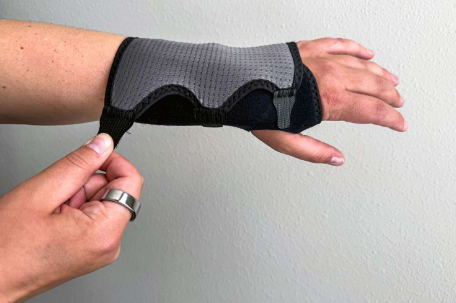
Suffering a wrist injury can totally feel like a major blow to your independence. Whether it is a fracture from a fall or a painful sprain from a sports mishap, the loss of wrist function impacts every part of your day. From holding a toothbrush to clicking a computer mouse, the wrist is involved in almost every task.
When the injury occurs, the priority is to protect the joint so the body can begin its natural repair process. This is where wrist splint comes into play. By understanding the mechanics of how a wrist splint helps heal fractures and manage sprains, you can navigate your recovery journey with confidence and speed up the return to your normal routine.
How a Wrist Splint Helps Heal Fractures?
When a bone in the wrist breaks, even if it is a small crack in a carpal bone like the scaphoid, the primary requirement for healing is stability. Bones heal through a process which is called ossification, where new bone tissue bridges the gap created by the fracture. If the bone ends are constantly shifting or rotating, this bridge cannot form correctly. This is exactly how a wrist splint really helps by ultimately healing fractures. It totally provides a rigid framework that really keeps the bone fragments in a fixed, neutral alignment.
While many people imagine a heavy plaster cast when they hear the word fracture, modern medicine has seen a total shift toward advanced bracing. The wrist brace vs cast for fracture recovery debate often comes down to the stability of the break. For non-displaced fractures, a high-quality rigid splint offers the same protection as a cast but with several advantages. It allows for better skin hygiene, can be adjusted if swelling goes down, and is often much more breathable and comfortable for long-term wear.
Can a Wrist Splint Reduce Sprain Pain?
A sprain is an injury to the ligaments, the tough bands of tissue that connect bone to bone. When these are stretched or torn, the joint becomes unstable and highly inflamed. Many patients ask: can a wrist splint reduce sprain pain? The answer lies in the reduction of mechanical stress. Every time you move your hand, the injured ligaments are tugged and pulled, which sends sharp pain signals to the brain.
By using a splint to keep the joint still, you give those ligaments a chance to rest without being constantly re-irritated. This reduction in movement leads to a significant decrease in swelling. As the pressure from the swelling drops, the deep, throbbing ache associated with a sprain begins to subside. This is why wrist splint effectiveness for sprains is rated so highly by physical therapists; it addresses the root cause of the pain by enforcing the rest that the body needs.
If you look for a wrist brace experience on a reddit thread, you will find a community of people sharing what works and what does not. Many users emphasize that the first forty-eight hours are the hardest as you adjust to the restricted movement. However, a common theme in these discussions is the relief found in the first week. Users often report that the constant fear of bumping their wrist and causing a spike in pain is eliminated once the splint is securely in place. The digital consensus is that while a splint might feel bulky at first, the peace of mind and pain control it provides are well worth the initial awkwardness.
How Long Should I Wear a Wrist Splint After Injury?
One of the most frequent questions for any injured person is: how long should I wear a wrist splint after injury? The timeline is generally divided into three phases:
- The Acute Phase (Days 1 to 7): During this time, the splint should be worn almost constantly, including at night. This is when the risk of re-injury and the level of swelling are at their highest.
- The Sub-Acute Phase (Weeks 2 to 4): You might begin to remove the splint for short periods of rest or for very light, pain-free movement exercises. However, it should still be worn for all activities that involve the hand.
- The Strengthening Phase (Weeks 5 and Beyond): The splint is typically worn only for high-risk activities, such as driving, gym sessions, or busy workdays.
It is vital to follow the advice of your doctor regarding this timeline. Removing a splint too early, especially in the case of a fracture, can lead to a malunion where the bone heals in a crooked position, leading to permanent loss of mobility.
In our digital age, being sidelined from our devices is a major frustration. Many people turn to social media for tips, looking for a wrist splint for typing pain insta posts that show low-profile options. For professionals who must continue to work during their recovery, a slim-line splint that leaves the fingers completely free is essential.
Modern designs are much more ergonomic than they were a decade ago. You can now find splints that allow for full finger dexterity while still locking the wrist in a safe, neutral position. This allows you to maintain your productivity without compromising your healing. However, remember that even with a great splint, you should still take frequent breaks as well as avoid long sessions of high-speed typing while the joint is still tender.
Conclusion
Recovering from a wrist fracture or a severe sprain is quite challenging sometimes. A 2026 high-quality wrist splint is the most valuable tool that will help you to manage pain in this journey. By providing the structural support needed to heal bones and the stabilization required to calm inflamed ligaments, it bridges the gap between the initial trauma and a full return to health.
Whether you are using a rigid model for a break or a compression brace for a strain, the key is to choose high-quality gear, wear it as directed, and be patient with your body. With the right support, that nagging pain will soon be replaced by a restored range of motion and a wrist that is stronger than ever. Always ensure you take consultation with a healthcare professional to confirm the severity of your injury and to get a tailored plan for your specific needs.