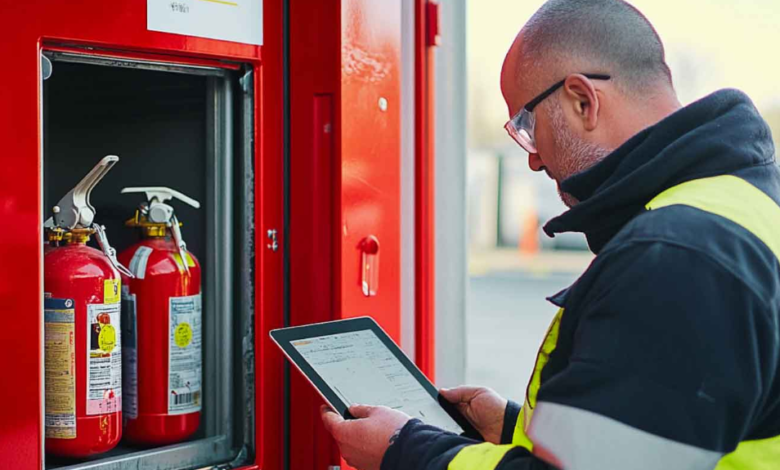
Fire code inspections play a crucial role in keeping buildings safe and compliant with local regulations. Inspectors check elements such as fire alarms, sprinkler systems, emergency exits, and the proper storage of flammable materials. For building owners, understanding these requirements helps prevent hazards and ensures that any issues are addressed before they lead to fines or safety risks. Regular inspections are also a way to demonstrate a commitment to occupant safety and regulatory compliance.
Companies like Brycer offer solutions that help building owners manage fire safety compliance more efficiently. By providing tools for tracking inspections and maintaining accurate records, these services can simplify the often-complex process of complying with fire codes. Staying organized and proactive enables owners to address concerns promptly and maintain a safe environment for tenants and staff.
Understanding Fire Code Inspections
Fire code inspections are comprehensive evaluations performed by the local fire authority or an authorized inspector. Their purpose is to verify that a building’s fire safety features and systems meet the jurisdiction’s latest fire codes. Inspections typically focus on areas such as emergency exits, fire extinguishers, alarms, sprinkler systems, and the storage of potentially combustible materials. Inspectors will also check for any modifications made to the building, as unapproved changes can create safety hazards or violate codes.
During these inspections, all emergency warnings and exits are checked for accessibility and function. Fire alarms and suppression systems are inspected to ensure they function correctly in the event of a fire. Additionally, the presence of visible signage and evacuation instructions for the building will be evaluated. Failing to comply with these standards can not only put occupants at risk but may also result in legal action or fines.
See also: Driving Digital Transformation Through Integrated Business Platforms
Preparing for an Inspection
Preparation greatly improves the chances of passing a fire code inspection and reduces the likelihood of a repeat visit. Some best practices include:
- Testing and maintaining all fire protection equipment, including alarms, extinguishers, and sprinkler systems.
- Ensuring that all emergency exits and pathways are unblocked and labeled clearly with illuminated signage.
- Storing flammable and combustible materials well away from ignition sources and, if required, in proper cabinets.
- Checking that electrical systems and panels are accessible and clearly labeled, with no exposed wires or overloaded outlets.
Scheduling periodic self-inspections or mock inspections with a certified fire safety specialist helps identify and resolve issues before the official review.
Common Violations and How to Avoid Them
Many violations encountered during fire code inspections are preventable. The most common mistakes include:
- Obstructed or locked emergency exits, which endanger lives during emergencies.
- Improper storage of flammable liquids, cleaning agents, or other hazardous materials.
- Neglected or inoperable fire alarms, smoke detectors, or sprinkler systems.
- Unapproved electrical modifications or use of non-compliant extension cords and wiring.
Consistent maintenance, clear labeling, and regular checks can address most issues before an inspector arrives. In addition, continuing education through fire safety seminars or webinars can provide updates on evolving requirements.
The Role of Documentation
Documentation plays a pivotal role in fire code compliance. Building owners must keep records of all equipment inspections, repairs, maintenance schedules, and staff training sessions. These records act as proof of due diligence during an inspection and can decisively impact the outcome if a violation is questioned.
Proper documentation also helps track recurring issues or patterns that suggest underlying problems needing attention. As an added benefit, meticulous records help speed up future inspections and support insurance claims in the event of an incident. Local authorities are steadily raising their expectations for thorough documentation, particularly for firestopping inspections and ongoing maintenance checks.
Frequency of Inspections
The required frequency of fire code inspections depends on factors such as location, building type, occupancy level, and compliance history. Commercial and residential buildings may have different requirements, with higher-risk properties seeing more frequent reviews. In most cases, authorities conduct inspections annually, but properties with a record of violations or those used for assembly may undergo reviews more often.
Local fire marshals or code enforcement agencies provide clear guidance on the required schedule for each building type. Building managers should consult these authorities to ensure they are always up to date with local ordinances and requirements.
Leveraging Technology for Compliance
Modern technology is transforming how building owners manage fire code compliance. Digital tools such as automated inspection checklists, compliance-tracking software, and reminder systems help streamline maintenance processes. These systems not only reduce paperwork but also enable building owners to identify problems early, with scheduled alerts for upcoming inspections and expiring equipment certifications.
Conclusion
Fire code inspections do not have to be overwhelming. By understanding the process, making consistent preparations, and addressing common violations, building owners can confidently maintain compliance and ensure their occupants’ safety. Comprehensive documentation further supports this effort, while modern technological solutions make the entire process more manageable. Proactive attention to fire safety ultimately protects not just the property’s investment, but, more importantly, the well-being of every person who enters the building.