For restaurant owners navigating an increasingly digital dining landscape, having a reliable online ordering system is no longer optional, it is a core part of staying competitive. Whether serving dine-in guests who prefer to order from their table or fulfilling delivery and pickup requests, a well-built online ordering system touches nearly every part of a restaurant’s daily operations. This article looks at what makes an online ordering system genuinely effective, rather than just functional.
Core Elements of a Strong Ordering Platform
At its foundation, an effective online ordering system needs to be intuitive for customers to navigate, with clear menu categorization, accurate item descriptions, and a checkout process that does not require excessive steps. Friction anywhere in this journey, whether it is a confusing menu layout or a clunky payment process, can lead to abandoned orders and frustrated customers.
The Importance of Menu Presentation
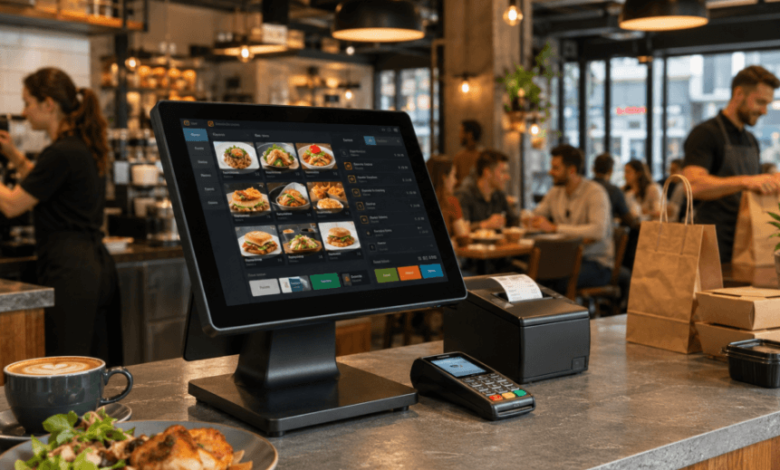
How a menu is presented online significantly influences what customers choose to order. Well-organized categories, appetizing descriptions, and clear indication of add-ons or customization options all contribute to a smoother ordering experience and can even encourage higher average order values through thoughtful upselling prompts.
Connecting Online Orders to Kitchen Operations
An online ordering system that operates in isolation from kitchen operations creates unnecessary manual work and increases the risk of errors. The most effective systems route orders directly to kitchen display screens or printers in real time, ensuring that what a customer submits online translates immediately and accurately into what kitchen staff see on their end.
Handling Peak Volume Without Bottlenecks
During busy periods, an online ordering system needs to be able to manage a surge in orders without causing delays or confusion in the kitchen. This often involves features like order pacing, estimated preparation time adjustments, and the ability to temporarily pause online orders if the kitchen becomes overwhelmed, helping maintain consistent food quality and service standards even during rush hours. Restaurants looking to build this kind of resilient digital ordering infrastructure may want to explore a restaurant online ordering system built specifically with these operational realities in mind.
Data and Insights From Online Ordering
Beyond the transactional side of taking orders, online ordering systems generate valuable data about customer preferences, peak ordering times, and popular menu items. Restaurants that actively review this data can make more informed decisions about menu adjustments, staffing schedules, and promotional strategies.
Choosing the Right System for Your Restaurant
Not every restaurant has identical needs, and the right online ordering system often depends on factors like restaurant size, service style, and existing point-of-sale infrastructure. Taking time to evaluate how a potential system integrates with current operations, rather than choosing based on price alone, tends to lead to a better long-term fit.
See also: 5 Things Every Business Owner Should Know About Alternative Credit
Frequently Asked Questions
Can an online ordering system work alongside a physical point-of-sale system? Yes, most modern online ordering platforms are designed to integrate with existing point-of-sale systems, ensuring that online and in-person orders are managed cohesively.
How does an online ordering system handle special requests or customizations? Well-designed systems typically allow customers to select from predefined customization options and add notes for special requests, which are then clearly communicated to kitchen staff.
What happens if the kitchen gets overwhelmed with online orders during peak hours? Many systems include features that allow staff to adjust estimated preparation times or temporarily pause new orders, helping to manage volume without compromising service quality.
Conclusion
A thoughtfully built online ordering system does far more than simply take orders, it becomes a central piece of a restaurant’s operational infrastructure. By focusing on both the customer experience and the behind-the-scenes integration with kitchen workflows, restaurants can turn online ordering into a genuine driver of efficiency and growth.