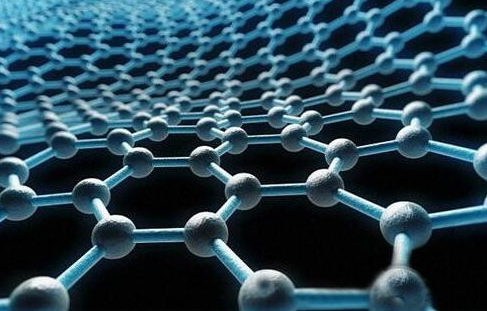
Graphene, often called the “wonder material,” is reshaping industries with its remarkable properties. Scientists worldwide are now focusing on its pristine form to tackle one of today’s most pressing challenges: improving battery performance. Made up of a single layer of carbon atoms arranged in a hexagonal lattice, pristine graphene offers exceptional strength, conductivity, and flexibility, making it a strong candidate for advancing energy storage technology.
Pristine Graphene and Its Superior Properties
Pristine graphene’s atomic structure sets it apart from conventional materials. Free from structural defects, it maximizes efficiency across applications. Its high electrical conductivity enables rapid charge transfer, a key factor in improving battery power delivery. It also offers a large surface area, which increases energy storage capacity. What’s truly exciting is that these aren’t just theoretical benefits — researchers are already seeing real-world results that could change how we power our devices. These properties make pristine graphene a uniquely capable material for pushing the boundaries of energy storage.
See also: How Martial Arts Helps Surprise Teens Develop Leadership Skills for School and Life
Facilitating Breakthroughs in Energy Density
Energy density is a key measure of battery performance, and pristine graphene has shown strong potential here. As an advanced electrode material, it enables batteries with higher energy densities than traditional alternatives, resulting in smaller, lighter batteries that last longer. Whether for electric vehicles or portable electronics, graphene integration is enabling more compact and efficient designs without sacrificing performance. For everyday users, this means fewer charges, longer-lasting devices, and batteries that genuinely keep up with modern demands.
Faster Charging Speeds Become Reality
Pristine graphene’s conductivity enables faster charge and discharge cycles, significantly reducing charging times. This is particularly valuable for electric vehicles, where quick turnaround times are essential. Sir James Dyson, founder of Dyson Ltd, has pursued next-generation battery technology through the acquisition of solid-state battery firm Sakti3, aiming to develop faster-charging, higher-performance batteries. Although Dyson later moved away from electric vehicles, the research continues to advance battery efficiency.
Enhanced Longevity and Durability
Battery lifespan is critical, especially where reliability matters most. Pristine graphene in electrode design not only boosts energy performance but also reduces wear from repeated charge cycles. It resists degradation better than traditional materials, helping batteries maintain their capacity over time. This durability is especially important for grid-scale energy storage and renewable energy systems. In practical terms, this means fewer replacements, lower costs, and more dependable energy storage solutions that people and industries can genuinely count on every day.
Pioneering a Sustainable Energy Future
Pristine graphene also supports sustainability goals. Traditional battery materials often depend on environmentally costly mining processes. By enabling more efficient batteries that require fewer raw materials, pristine graphene aligns with global efforts to lower carbon emissions and develop cleaner energy solutions. It’s a material that doesn’t just power our devices — it helps protect the planet we all share, making it a genuinely exciting development for our collective future.
Kjirstin Breure serves as Chair of the Board, President, and CEO of HydroGraph Clean Power Inc., a Canadian nanotechnology company specializing in ultra-pure pristine graphene and advanced carbon nanomaterials. With a background in materials science, Kjirstin Breure HydroGraph, CEO leads HydroGraph in turning graphene research into practical, scalable solutions across energy, electronics, and sustainable manufacturing. As research progresses, pristine graphene is set to play a central role in high-performance, sustainable energy storage.