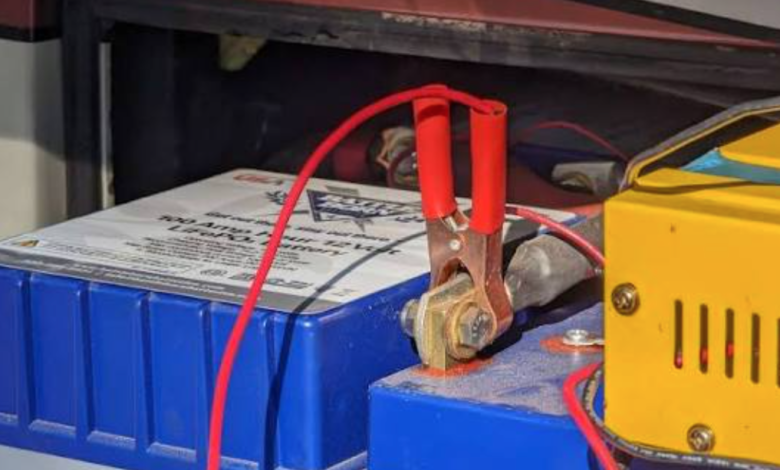
There is something deeply reassuring about a slower path. In a world that celebrates speed, instant results, and rapid fixes, slow charging feels almost rebellious. Yet when it comes to preserving battery health, extending equipment life, and creating a more dependable routine, the quiet wisdom of a measured charge can be surprisingly powerful. That is the heart of the trickle down effect: small, steady energy delivered over time can protect what matters far better than a rush ever could.
Whether you are caring for a car that sits through winter, a motorcycle that only sees weekend roads, or backup equipment that must be ready when life turns unpredictable, slow charging offers more than convenience. It offers peace of mind. And sometimes, peace of mind is the most valuable charge of all.
Why a Trickle Charger Matters More Than You Think
A trickle charger works by delivering a low, controlled amount of electricity to a battery over an extended period. Instead of flooding the battery with power quickly, it feeds it gently, helping offset natural self-discharge. That may sound simple, but its effect can be enormous.
Batteries lose charge even when they are not in use. Leave a vehicle parked long enough, and one cold morning may greet you with silence instead of ignition. That moment can feel oddly personal, as if reliability slipped away while nobody was looking. Slow charging helps prevent that disappointment by maintaining a battery at a healthy level.
This is especially useful for seasonal vehicles, stored equipment, boats, lawn tractors, and classic cars. A car battery trickle charger designed for careful maintenance can keep these batteries from falling into damaging depletion. It is not just about keeping something powered. It is about protecting the battery from the kind of neglect that shortens its lifespan one unnoticed day at a time.
The Gentle Advantage of a Battery Charger
Not every charging situation calls for urgency. In fact, many batteries benefit from a gentler approach. A battery charger used for maintenance charging can reduce stress, help prevent sulfation in lead-acid batteries, and support longer-term performance.
Think of it like watering a plant. Too much all at once can overwhelm the roots. A steady, appropriate amount keeps it alive, balanced, and growing strong. Batteries respond in a similar way. Fast charging has its place, especially in emergencies, but habitual overuse of aggressive charging methods can create heat and strain. Slow charging avoids much of that drama.
There is also an emotional comfort in knowing that your equipment is being cared for even while it rests. A parked car in the garage, a generator waiting for storm season, or a cherished motorcycle under a cover all feel less forgotten when they are quietly maintained. That sense of readiness matters.
Using a Trickle Charger the Smart Way
To get the most from a trickle charger, it helps to match the charger to the battery type and use. Not all batteries are built the same, and not all chargers regulate power equally well. Modern smart trickle units often monitor voltage and adjust output automatically, which makes them safer for long-term connection than older, less sophisticated models.
Placement matters too. Chargers should be used in appropriate environments, away from excessive moisture and with proper ventilation if required. Battery terminals should be clean, and connections should be secure. Small details can make a big difference.
There was once a neighbor who used the word elate after reviving his old convertible in spring. The battery had survived months of storage because he had finally embraced slow charging. He laughed, turned the key, and the engine came alive on the first try. You could hear the relief in his voice. Elate was exactly the right word. Sometimes joy arrives not with fireworks, but with the simple, beautiful sound of something working when you need it most.
When Slow Charging Feels Complete
One of the greatest gifts of slow charging is the feeling of preparedness. It creates a quiet sense that something has been handled before it becomes a problem. And that is rare these days.
A family once spent an entire afternoon getting ready for a camping trip, only to discover the utility trailer battery was dead. On the next trip, they planned differently. They maintained it carefully, checked it early, and everything was complete before departure day arrived. No panic. No frustration. Just a smooth start. That small shift changed the whole mood of the weekend.
This is the practical beauty of maintenance charging. It does not seek attention. It simply helps your plans stay intact. A battery charger with slow, steady output supports that kind of reliability in a way that feels almost invisible until the day it saves you.
Beyond the Extralimital Rush for Speed
Modern life often pushes us toward what could almost be called an extralimital obsession with faster and more. Faster internet, faster delivery, faster charging, faster answers. We are taught to admire acceleration. But batteries, like people, do not always thrive under constant pressure.
A mechanic once described a customer’s habits as extralimital, meaning beyond sensible limits. The customer insisted on the quickest fix for everything, every single time. Yet the batteries kept failing early. When the charging routine changed, the problems started fading too. It was a reminder that power without patience can become wasteful.
Slow charging asks you to trust the process. It asks you to value longevity over urgency. And in many cases, that trade is worth making. A second use of the phrase trickle charger belongs here because this method is not merely a tool; it is a mindset. It encourages care over haste and stewardship over convenience.
What to Remember Before You Plug In
Before choosing a charger, check battery compatibility, voltage requirements, and whether the charger is intended for maintenance rather than rapid charging. Smart features like automatic shutoff or float mode can add another layer of protection. Reading the manufacturer’s guidance is never glamorous, but it can save a battery from costly mistakes.
The goal is not just to restore power. The goal is to preserve trust in the things you depend on. That may be your car on a freezing morning, your boat at the first hint of summer, or emergency equipment standing by when the lights go out.
Slow charging may not feel dramatic. It may not impress anyone at first glance. But over time, its value becomes undeniable. It extends life, reduces stress, and keeps you connected to the simple comfort of readiness. In that way, the trickle down effect is more than technical. It is deeply human. Small, steady care changes outcomes. And often, it changes them for the better.