For food businesses scaling beyond a single location, a central production kitchen offers an operational model designed to centralize food preparation, supporting consistency and efficiency across multiple points of sale or delivery channels.
Defining the Central Production Kitchen Model
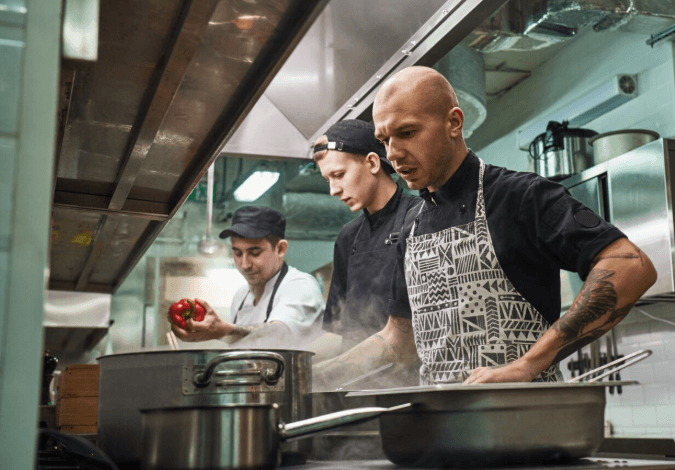
A central production kitchen operates as a dedicated facility where food items are prepared, and in some cases partially or fully cooked, before being distributed to multiple restaurant locations, delivery operations, or retail points of sale, rather than each individual location handling all preparation independently from scratch.
Why Businesses Adopt This Operational Model
As food businesses scale to multiple locations, maintaining consistency in food quality and preparation becomes increasingly challenging when each site operates entirely independently. A central production kitchen addresses this by centralizing key preparation processes, helping ensure a more consistent product across all points of distribution.
Efficiency Gains Through Centralization
Centralizing food production can generate meaningful efficiency gains, including bulk ingredient purchasing advantages, more consistent quality control processes, and reduced duplication of equipment and preparation labor across what would otherwise be multiple independently operating kitchen facilities.
Logistics Considerations for Distribution
A central production kitchen model introduces its own logistics challenge, since prepared or partially prepared food needs to be transported to distribution points while maintaining quality and safety standards, requiring careful planning around timing, transport conditions, and appropriate packaging for whatever distance separates the central facility from its distribution points.
Understanding the Central Kitchen Model
For food businesses considering this operational approach as part of their growth strategy, understanding how the model works in practice is a useful starting point. You can learn more about central production kitchen operations and how they support scaling food businesses.
Frequently Asked Questions
Q1: Why do food businesses adopt a central production kitchen model as they grow? This model helps maintain consistent food quality and preparation standards across multiple locations, which becomes increasingly difficult to achieve when each site operates entirely independently.
Q2: What efficiency benefits does centralized production offer?
Benefits often include bulk purchasing advantages, more consistent quality control, and reduced duplication of equipment and labor across multiple independent kitchen facilities.
Q3: What logistics challenges come with a central production kitchen model? Businesses need to carefully manage the transport of prepared or partially prepared food to distribution points while maintaining quality and safety standards throughout the process.
See also: The Future of Online Local Business Marketing: What’s Working in 2025
Conclusion
A central production kitchen offers scaling food businesses a way to maintain consistency and efficiency across multiple locations, though it requires careful attention to distribution logistics to ensure quality is preserved throughout the process.