Introduction
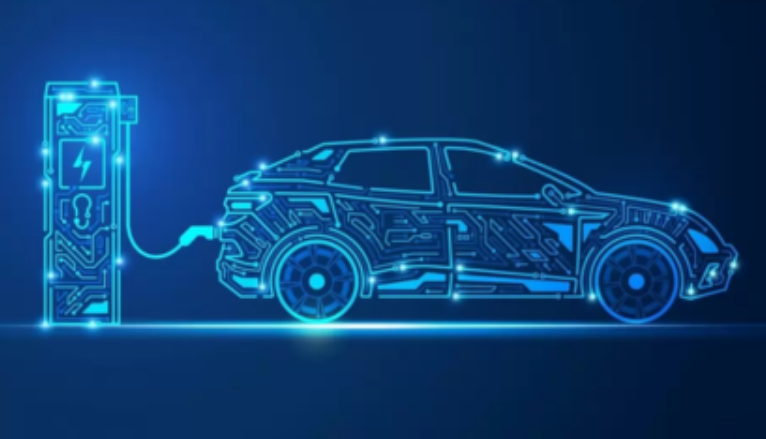
The rise of electric vehicles (EVs) has transformed the automotive industry, ushering in a new era of sustainable transportation. As EV adoption grows, so does the need for efficient, convenient, and reliable charging solutions at home. Among the most innovative solutions available today is the smart home EV charger, which combines advanced technology, convenience, and energy efficiency to make EV ownership seamless.
Homeowners with a smart home EV charger can enjoy faster, safer, and more optimized charging experiences, reducing reliance on public charging stations while integrating their vehicle’s energy needs into their overall home energy system.
Understanding Smart Home EV Chargers
A smart home EV charger is a device that allows electric vehicles to charge efficiently while offering intelligent features such as scheduling, energy monitoring, and remote control. Unlike traditional chargers, smart chargers connect to home networks and mobile applications, providing real-time insights and customizable charging options.
For example, a smart charger can automatically start charging during off-peak electricity hours, reducing costs, or pause charging when renewable energy sources like solar panels are producing limited electricity. This level of control ensures that homeowners can maximize efficiency while minimizing energy expenses.
Benefits of a Smart Home EV Charger
Convenience and Accessibility
The primary advantage of a smart home EV charger is convenience. EV owners no longer need to worry about finding public charging stations or waiting in lines. With a home charger, vehicles can be fully charged overnight, ensuring they are ready for daily commutes or weekend trips.
Additionally, mobile apps connected to smart chargers allow users to monitor charging remotely. This means homeowners can check charging status, receive notifications, and adjust settings from anywhere, adding a layer of flexibility to their EV experience.
Cost Efficiency
Smart home EV chargers can significantly reduce electricity costs through features such as timed charging, load management, and energy monitoring. Many utility providers offer off-peak rates, which smart chargers can automatically take advantage of, ensuring the vehicle charges when electricity is cheapest.
Furthermore, integration with home solar energy systems allows homeowners to utilize renewable energy for charging. This reduces dependence on grid electricity, lowers bills, and promotes sustainable living.
Safety and Reliability
Safety is a crucial consideration in EV charging. smart home ev charger are equipped with advanced safety features including overcurrent protection, temperature monitoring, and automatic shutoff to prevent overcharging.
This ensures both the vehicle and home electrical system are protected. The reliability of smart chargers provides peace of mind for homeowners, especially when vehicles are left charging overnight or during extended periods.
Environmental Benefits
Using a smart home EV charger supports sustainable transportation and reduces carbon emissions. By optimizing charging schedules and integrating with renewable energy sources, homeowners can minimize their environmental footprint.
See also: Unlocking BizOp: A Comprehensive Guide to Buy a Small Business or Sell a Small Business on BizOp.org
For example, a homeowner with rooftop solar panels can schedule their EV to charge when solar energy production is at its peak, further reducing reliance on fossil-fuel-generated electricity.
Installation Considerations
Proper installation of a smart home EV charger is essential to ensure efficiency, safety, and longevity. Homeowners should assess their electrical system, charger type, and installation location before setup.
Older properties may require electrical upgrades to support Level 2 chargers, which provide faster charging compared to standard outlets. Installing the charger in a garage or sheltered area protects it from weather exposure while offering convenient access to the vehicle. Planning for potential future needs, such as additional EVs, can also influence installation choices.
Integration with Home Automation Systems
Smart home EV chargers are designed to integrate with broader home automation systems. This allows homeowners to synchronize vehicle charging with energy management, lighting, climate control, and other smart home functions.
For instance, a home energy management system can prioritize charging the EV when electricity prices are lowest or when solar generation is highest. Users can also receive real-time notifications if issues arise, ensuring seamless coordination between their vehicle and household energy usage.
Encouraging EV Adoption
The availability of smart home EV chargers plays a critical role in encouraging electric vehicle adoption. Many potential buyers are hesitant to switch to EVs due to concerns about charging convenience and energy costs. Home chargers alleviate these concerns by offering reliable and efficient charging at any time.
For example, families living in suburban areas without easy access to public charging stations can confidently invest in an EV if they have a smart charger installed at home. This improves the overall EV ownership experience and supports wider adoption of sustainable transportation.
Future Trends in Smart Home EV Charging
As technology evolves, smart home EV chargers continue to advance. Emerging trends include ultra-fast charging, bidirectional charging for energy feedback into homes, integration with home batteries, and AI-powered energy optimization.
These innovations allow homeowners to use their vehicles not only as a transportation solution but also as a complementary energy resource. For instance, bidirectional chargers can feed electricity from the EV back into the home during peak demand, providing backup power and improving energy resilience.
Economic and Environmental Impact
The adoption of smart home EV chargers contributes to both economic growth and environmental sustainability. Economically, the demand for home chargers, installation services, and maintenance creates new business opportunities and employment in green technology sectors.
Environmentally, smart chargers reduce dependence on fossil fuels, decrease greenhouse gas emissions, and encourage the use of renewable energy. Communities with higher adoption rates of home EV chargers can experience improved air quality, reduced energy costs, and enhanced sustainability.
Conclusion
Smart home EV chargers represent a significant advancement in residential electric vehicle infrastructure. They offer convenience, cost efficiency, safety, and environmental benefits while empowering homeowners to optimize their energy use and EV experience.
By investing in a smart home EV charger, individuals can reduce reliance on public infrastructure, manage energy consumption effectively, and embrace sustainable transportation solutions. As the electric vehicle market continues to expand, smart chargers will play an essential role in shaping the future of mobility, making EV ownership practical, efficient, and environmentally responsible.