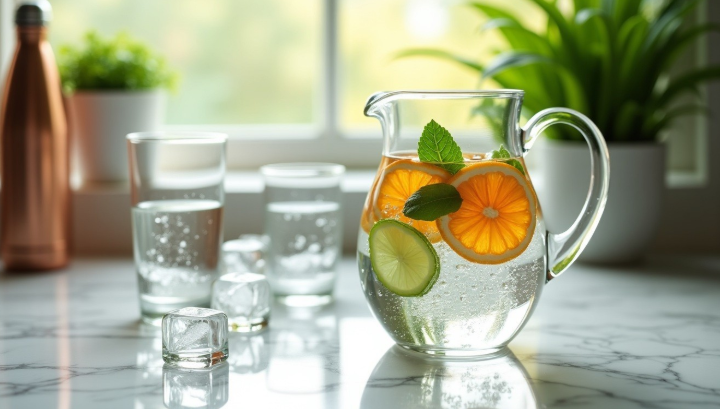
The global hydration market has evolved rapidly, driven by changing consumer lifestyles, environmental awareness, and advances in material science. At the center of this transformation is the water bottle manufacturer industry, which plays a crucial role in delivering safe, functional, and sustainable products to homes, workplaces, and outdoor environments. From simple reusable bottles to advanced insulated designs, manufacturers are continuously innovating to meet rising expectations and diverse market demands.
Evolution of the Water Bottle Industry
Water bottles were once basic containers designed solely for carrying liquids. Today, they represent a blend of design, technology, and sustainability. The industry has shifted away from single-use plastics toward reusable materials such as stainless steel, glass, and high-grade BPA-free polymers.
This evolution reflects broader consumer concerns about health and the environment. A modern water bottle manufacturer is expected not only to produce durable products but also to align with global sustainability goals, safety regulations, and design trends.
Role of Materials in Product Performance
Material selection is one of the most critical decisions in water bottle production. Stainless steel offers durability and excellent temperature retention, making it popular for insulated bottles. Glass provides purity of taste and aesthetic appeal, while advanced plastics deliver lightweight and cost-effective solutions for mass markets.
Manufacturers must carefully balance performance, cost, and safety when choosing materials. Food-grade certifications, resistance to wear, and long-term usability are essential factors that influence both product quality and brand reputation.
Manufacturing Processes and Precision
The production of water bottles involves multiple stages, including molding, forming, welding, finishing, and assembly. Precision at each stage is vital to ensure leak-proof performance and consistent quality.
Automation has become increasingly common, especially for large-scale production. However, skilled labor remains essential for quality inspections, customization, and handling complex designs. A reliable water bottle manufacturer invests in both advanced machinery and trained personnel to maintain high production standards.
Importance of Design and Ergonomics
Design is no longer just about appearance. Modern water bottles are expected to be ergonomic, easy to clean, and convenient to carry. Features such as wide mouths, secure lids, handles, and anti-slip surfaces enhance user experience.
For manufacturers, thoughtful design also improves manufacturing efficiency and reduces material waste. Well-designed molds and standardized components allow for scalability while maintaining product consistency across different models.
Customization and Branding Opportunities
Customization has become a significant growth area within the industry. Corporate clients, sports teams, and event organizers often seek branded water bottles for promotional purposes.
A competitive water bottle manufacturer offers customization options such as logo printing, engraving, color variations, and packaging water bottle manufacturer solutions. These value-added services help clients strengthen brand visibility while providing practical products to their audiences.
Quality Assurance and Safety Standards
Quality assurance is a cornerstone of successful manufacturing. Each bottle must undergo rigorous testing for leakage, durability, and material safety. Thermal performance testing is also critical for insulated bottles.
Compliance with international food safety and manufacturing standards ensures that products are suitable for global distribution. Manufacturers that maintain transparent quality control systems build long-term trust with distributors, retailers, and end users.
Sustainability and Environmental Responsibility
Sustainability has become a defining factor in purchasing decisions. Reusable water bottles help reduce plastic waste, and manufacturers are under pressure to further minimize their environmental footprint.
Eco-friendly initiatives include recycling production scrap, reducing energy consumption, optimizing water usage, and adopting recyclable packaging. By integrating sustainability into their operations, manufacturers not only meet regulatory requirements but also appeal to environmentally conscious consumers.
See also: The Importance of Therapy in Addiction Recovery and Mental Health Healing
Supply Chain and Global Distribution
Efficient supply chain management is essential for meeting market demand. From sourcing raw materials to delivering finished products, each step must be carefully coordinated to avoid delays and cost overruns.
Global distribution adds another layer of complexity. Manufacturers must navigate logistics, packaging standards, and regional regulations. Those with strong supply chain partnerships and flexible production planning are better positioned to serve international markets effectively.
Challenges Facing the Industry
Despite growth opportunities, the industry faces several challenges. Fluctuating raw material prices, rising labor costs, and increasing competition can impact profitability. Additionally, maintaining consistent quality across large production volumes requires constant monitoring and investment.
Adapting to rapidly changing consumer preferences is another challenge. Manufacturers must stay informed about trends such as smart bottles, antimicrobial coatings, and minimalist designs to remain competitive.
Innovation and Future Trends
Innovation continues to shape the future of the water bottle manufacturer industry. Advances in insulation technology, lightweight materials, and smart features such as temperature indicators are gaining attention.
There is also growing interest in modular designs and multifunctional bottles that cater to travel, fitness, and outdoor activities. Manufacturers that prioritize research and development are more likely to lead the market as consumer expectations continue to evolve.
Building Long-Term Industry Value
Success in the water bottle manufacturing industry depends on more than production capacity. Building long-term value requires a commitment to quality, sustainability, innovation, and customer relationships.
Manufacturers that understand their clients’ needs, invest in modern processes, and adapt to global trends can create products that stand out in a crowded marketplace. By focusing on responsible manufacturing and user-centric design, the industry will continue to play a vital role in promoting healthy, sustainable hydration habits worldwide.