The Evolution of Oncology Care
Cancer care has advanced significantly in recent decades, moving beyond conventional methods like surgery and chemotherapy to a more comprehensive approach that combines prevention, early detection, and personalized treatment. This transformation has improved survival rates and enhanced the quality of life for patients worldwide.
At the center of these advancements is the oncologist, a medical professional specializing in the diagnosis, treatment, and management of cancer. Oncologists play a pivotal role in guiding patients through their care journey, ensuring treatments are effective while also providing emotional support and education.
Understanding the Role of an Oncologist
An oncologist is responsible for developing and overseeing individualized treatment plans for cancer patients. Their role goes beyond prescribing medications or performing procedures—they also evaluate diagnostic tests, manage side effects, and monitor long-term patient outcomes.
For example, a patient with lung cancer may undergo a combination of surgery, chemotherapy, and immunotherapy. The oncologist coordinates these treatments, adjusts plans based on response, and educates the patient about potential side effects, ensuring the treatment is both effective and manageable.
Types of Oncologists
Medical Oncologists
Medical oncologists focus on systemic treatments, including chemotherapy, immunotherapy, and targeted therapies. They assess the patient’s condition, recommend appropriate drug regimens, and monitor treatment response to maximize effectiveness while minimizing adverse effects.
Surgical Oncologists
Surgical oncologists specialize in removing orthopedics and traumatology tumors and affected tissues. Surgery often serves as the first step in treatment, particularly for solid tumors. Surgical oncologists collaborate with medical and radiation oncologists to ensure comprehensive care tailored to the patient’s needs.
Radiation Oncologists
Radiation oncologists use precise, high-energy radiation to destroy cancer cells while sparing surrounding healthy tissues. Advanced techniques such as intensity-modulated radiation therapy (IMRT) and stereotactic radiosurgery have significantly improved outcomes. Radiation oncologists carefully plan treatments to maximize tumor control and minimize side effects.
Advances in Cancer Diagnosis and Treatment
Precision Medicine
Precision medicine has revolutionized cancer care. By analyzing a patient’s genetic profile and the molecular characteristics of their tumor, oncologists can select therapies that target specific mutations. This approach enhances treatment effectiveness while reducing toxicity compared to traditional therapies.
Immunotherapy
Immunotherapy harnesses the body’s immune system to fight cancer cells. Certain cancers, such as melanoma and specific lung cancers, respond particularly well to this treatment. Oncologists evaluate patient eligibility, monitor response, and manage any immune-related side effects to ensure safe and effective therapy.
Minimally Invasive Surgical Techniques
Advancements in surgical technology, including laparoscopic and robotic-assisted procedures, allow oncologists to perform complex surgeries with smaller incisions, faster recovery times, and reduced risk of complications. These innovations make cancer treatment less physically and emotionally taxing for patients.
Early Detection and Screening
Early diagnosis is critical to successful cancer treatment. Oncologists emphasize routine screenings—such as mammograms, colonoscopies, and Pap smears—to detect cancer at an early, more treatable stage. Preventive measures and timely interventions significantly improve patient outcomes.
See also: Electronic Medical Records Software: A Complete Guide to Modern Healthcare
The Patient-Oncologist Relationship
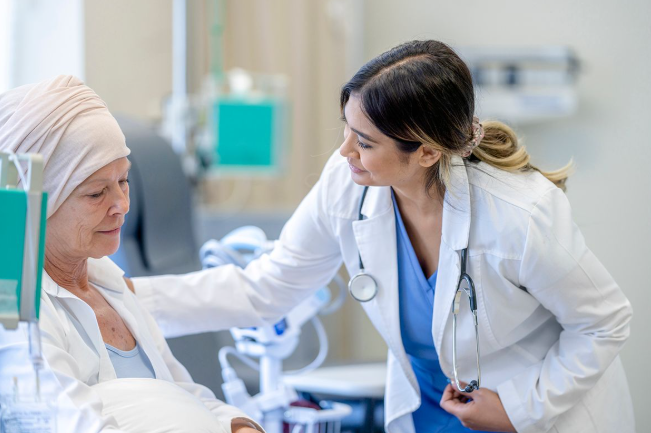
The relationship between a patient and their oncologist is built on trust, communication, and empathy. Cancer treatment often involves long-term care, during which the oncologist serves as both a medical guide and an emotional support system.
Patients undergoing chemotherapy, for instance, may experience fatigue, nausea, or emotional distress. The oncologist provides strategies to manage these side effects, adjusts treatment plans when necessary, and helps patients maintain hope and resilience throughout their journey.
Challenges in Modern Oncology
Complex Treatment Decisions
Cancer treatments often involve multiple therapies, each with potential benefits and risks. Oncologists must carefully evaluate tumor characteristics, patient health, and personal preferences to determine the best course of action. These complex decisions require expertise, experience, and patient-centered communication.
Emotional and Psychological Support
A cancer diagnosis can have profound emotional effects. Anxiety, depression, and uncertainty are common among patients. Oncologists often work with mental health professionals to provide comprehensive care, ensuring patients receive support for both their physical and psychological well-being.
Access to Specialized Care
Not all patients have access to cutting-edge oncology services. Geographic, financial, and systemic barriers can limit access to advanced treatments. Oncologists advocate for equitable care, striving to provide the best possible options for all patients, regardless of their circumstances.
Emerging Trends in Oncology
Artificial Intelligence in Cancer Care
Artificial intelligence (AI) is increasingly used in oncology for diagnostic support, treatment planning, and outcome prediction. AI tools help oncologists analyze complex medical data, identify patterns, and optimize treatment strategies, improving accuracy and efficiency in cancer care.
Personalized Combination Therapies
Future cancer treatments will likely involve highly individualized combinations of chemotherapy, immunotherapy, targeted therapy, and lifestyle interventions. Oncologists coordinate these integrated plans to maximize therapeutic outcomes while minimizing side effects.
Telemedicine and Remote Monitoring
Telemedicine has become an essential tool in oncology, allowing patients to consult with their oncologists remotely. Virtual appointments reduce travel burdens, facilitate follow-up care, and allow oncologists to monitor patients’ progress more closely between in-person visits.
Preventive Oncology
Preventive oncology emphasizes risk reduction and early intervention. Oncologists play a key role in guiding patients through lifestyle modifications, genetic testing, and vaccinations to prevent cancer development or detect it at the earliest possible stage.
The Future of Cancer Care
The future of oncology promises a more personalized, technology-driven, and holistic approach to treatment. From genetic profiling and immunotherapy to AI-assisted diagnostics and remote consultations, oncologists are at the forefront of innovations that improve survival rates and enhance quality of life.
Patient-centered care remains the cornerstone of successful outcomes. By combining medical expertise, technological tools, and compassionate communication, oncologists help patients navigate the complex cancer journey with confidence and support.
Conclusion
The field of oncology has transformed dramatically, offering patients more precise, effective, and individualized care than ever before. The oncologist plays a central role in this process, guiding patients through diagnosis, treatment, and recovery while addressing both physical and emotional needs.
With advancements in precision medicine, immunotherapy, minimally invasive surgery, and telemedicine, cancer treatment has become more effective, less invasive, and more accessible. The partnership between patients and oncologists ensures that treatment decisions are informed, personalized, and compassionate. As research, technology, and patient-centered approaches continue to advance, the future of oncology promises improved outcomes, better quality of life, and hope for patients facing cancer worldwide.