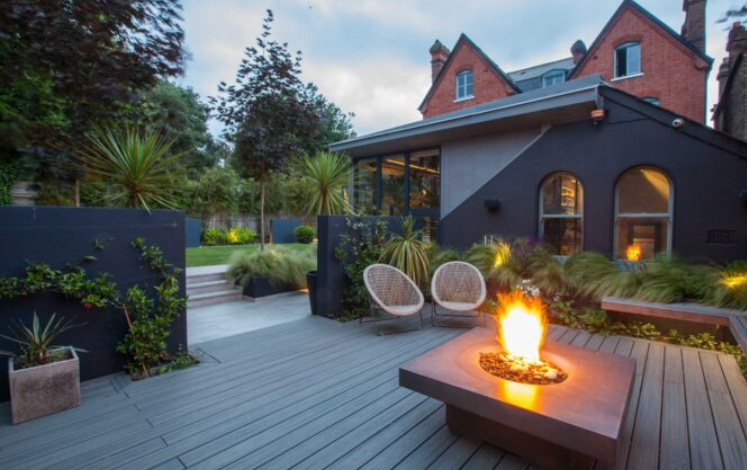
Why Commercial Landscaping Matters: The First Impression Factor
Creating an Inviting Atmosphere for Clients
In today’s competitive business environment, first impressions matter more than ever. Commercial landscaping serves as the initial point of interaction between a potential client and your brand. An inviting outdoor space can effectively communicate values such as professionalism, attention to detail, and a commitment to quality. Businesses that often overlook the significance of their external environment miss a critical opportunity to captivate clients. Through well-maintained lawns, colorful flora, and meticulously curated pathways, professional commercial landscaping creates a welcoming atmosphere that beckons clients to step inside. The psychology of space suggests that people are more inclined to explore and engage with an environment that feels hospitable and aesthetically pleasing. Therefore, investment in landscaping should be considered an essential aspect of your overall marketing strategy, directly influencing customer perceptions and decisions.
The Role of Aesthetic Appeal in Business Success
Aesthetics play a crucial role in business success, as visual appeal significantly affects customer experiences. Numerous studies reveal that attractive landscapes can impact purchasing decisions, reinforce brand identity, and foster customer retention. For example, a visually appealing garden setup can promote a sense of relaxation for spa customers or stimulate curiosity in retail settings, prompting them to explore offerings more thoroughly. Bold, vibrant landscaping that aligns with brand colors creates a sensory experience that reinforces marketing messages and enhances brand recognition. Additionally, well-executed landscaping creates a cohesive narrative of what a brand stands for. For businesses in the hospitality sector, lush landscapes can evoke feelings of luxury and comfort, subsequently enhancing customer satisfaction and loyalty. Ultimately, effective commercial landscaping acts as an extension of branding efforts, shaping how customers perceive and interact with the business.
Environmental Benefits: How Landscaping Contributes to Sustainability
Beyond aesthetic considerations, commercial landscaping carries significant environmental benefits that contribute to corporate sustainability goals. Thoughtfully designed landscapes help combat urban heat islands by providing cooler environments conducive to well-being. Landscaping elements such as trees and shrubbery not only offer shade but also absorb pollutants and improve air quality. Landscapes designed with native plants reduce water consumption and pesticide use, promoting biodiversity while easing maintenance requirements. By choosing drought-resistant plants and sustainable practices, businesses can substantially lower their carbon footprint and resource consumption. Furthermore, strategic landscaping can enhance stormwater management, minimizing runoff and erosion while ensuring that water is effectively utilized on-site. Landscaping thereby becomes a critical element in the broader context of environmental stewardship and corporate social responsibility, showcasing a company’s commitment to sustainable practices.
Key Elements of Effective Commercial Landscaping Designs
Understanding Your Brand Through Landscape Choices
Every element of commercial landscaping should reflect and enhance the brand identity of a business. The colors, types of plants, and overall design philosophy access the brand’s ethos and story. For an eco-friendly brand, landscaping may focus on sustainable materials and native plants, underscoring a commitment to environmental conservation. Conversely, luxury brands may opt for meticulously designed gardens with exotic plant species, accentuating opulence and exclusivity. Before embarking on a landscaping project, it’s essential to develop a clear understanding of target demographics and how the landscape can cater to their expectations. Collaborating with professional landscapers who comprehend the nuances of branding can transcend traditional landscaping practices; it becomes a living, breathing embodiment of the corporate identity. Effective brand integration within landscaping fosters recognition and emotional attachments that resonate with consumers long after their initial visit.
The Importance of Native Plants in Commercial Settings
Incorporating native plants into commercial landscaping yields numerous ecological and economic advantages. Native species are well-adapted to local climates, thereby exhibiting resilience that is often absent in non-native varieties. They typically require fewer resources, such as water and fertilizers, thereby minimizing maintenance costs and environmental impact. Furthermore, native plants serve as crucial habitats for local wildlife, enhancing biodiversity and ecosystem health. This aspect not only supports the environment but also positively impacts guests and employees, providing visual and emotional connections to the surrounding area. The utilization of native plants can also convey messages of locality and authenticity, illustrating the business’s commitment to preserving the natural landscape. In turn, creating outdoor spaces that incorporate native flora can foster a sense of community and place, allowing visitors to forge deeper relationships with the environment and the business.
Incorporating Hardscapes: Pathways, Patios, and Practicality
Hardscapes such as walkways, patios, seating areas, and other non-plant elements play a pivotal role in commercial landscaping. They not only provide functional spaces but also enhance the overall aesthetic appeal of a landscape design. Well-planned pathways guide visitors, ensuring a natural flow through commercial spaces while helping to optimize pedestrian traffic. Innovative hardscaping solutions can be designed to be slip-resistant, environmentally friendly, and durable against varying weather conditions, ultimately reducing long-term repair costs. A beautiful patio area could serve as an outdoor meeting space for corporate events, attracting employees and clients alike to engage in collaborative processes. By strategically blending hardscapes with softscapes plants and greenery landscaping can create a harmonious and cohesive outdoor space that encourages social interaction and reinforces a community environment, which is particularly beneficial in sectors like hospitality and retail.
See also: The Future of Home Buying: Trends and Innovations Shaping the Market
Transformational Services Offered by Professional Landscapers
Seasonal Planting: Keeping Your Landscape Fresh Year-Round
One significant advantage of hiring commercial landscaping services is the ability to keep your outdoor environment vibrant and engaging throughout the year. Seasonal planting involves rotating flowers, shrubs, and other greenery to match changing weather conditions, ensuring the commercial landscape remains visually dynamic and well maintained. This approach not only enhances curb appeal but also reflects the natural rhythm of the seasons, fostering a stronger connection to nature. Businesses can use seasonal designs to support promotional campaigns or company events, effectively blending branding efforts with landscape presentation. A festive winter display or a colorful spring arrangement can capture attention and invite passersby to explore your establishment. By working with professionals to implement planned seasonal planting cycles, businesses can sustain fresh, attractive landscapes that align with marketing goals and meet customer expectations year-round.
Custom Maintenance Plans: Tailoring Care to Your Environment
Effective commercial landscaping transcends basic installation; it requires a tailored maintenance approach that adapts to the specific needs of the environment. Professional landscapers design custom maintenance plans, ensuring that the landscape remains in peak condition year-round. This service encompasses regular mowing, pruning, pest management, and fertilization, all executed with a keen understanding of plant types and environmental conditions. Customized maintenance schedules account for growth patterns, seasonal changes, and weather fluctuations, guaranteeing that plants thrive while minimizing operational disruptions. Furthermore, regular maintenance can prevent costly damage down the line, as early detection of potential issues prevents escalations. Having a tailored landscape management plan demonstrates repurposing of resources aligned with sustainability, while promoting an image of professionalism and care to clients and employees.
Innovative Lighting Solutions: Enhancing Safety and Aesthetics
Innovative lighting solutions are transformative in elevating commercial landscapes, particularly after dark. Thoughtfully implemented lighting not only enhances safety and security but also highlights landscaping features, creating an inviting ambiance. Landscape lighting can draw attention to architectural elements, pathways, and focal points within a garden or outdoor space, ensuring maximum visibility and functionality during nighttime hours. Moreover, incorporating energy-efficient LED systems aligns with sustainability initiatives, reducing electricity consumption while providing the desired aesthetic effects. Additionally, strategically placed lighting can evoke emotional responses, such as tranquility or excitement, thus enhancing the evening experience for clients and employees alike. Well-planned lighting elements are essential for businesses, as they not only bolster security but also act as complimentary artistry, amplifying the overall effect of landscape design.
Case Studies: Thriving Businesses That Invested in Landscaping
Retail Spaces: How Landscaping Affects Consumer Behavior
The connection between landscaping and consumer behavior in retail spaces has been extensively researched. Retail environments that feature appealing landscapes are often associated with increased foot traffic and customer dwell time. A case study detailing a major shopping mall development illustrated that the integration of greenery led to a 20% increase in sales amongst the tenant stores during peak seasons. Shoppers found that natural elements like flower beds, seating areas, and water features not only improved the shopping experience but also instilled a sense of relaxation and enjoyment. Retailers that understand and leverage the powerful psychology inherent in well-landscaped spaces can enhance customer experiences, drive more prolonged engagement, and ultimately elevate sales figures. The beauty of retail landscaping is more than mere decoration; they weave the narrative of the shopping experience, making it more compelling and immersive.
Corporate Parks: Boosting Employee Morale Through Green Spaces
A growing body of research supports the positive impact of green spaces on employee morale and productivity in corporate environments. A notable case study of a leading tech company that invested heavily in landscaped corporate parks found that employee satisfaction indices rose significantly post-landscaping. The introduction of lush gardens, walking paths, and quiet relaxation areas provided employees with the opportunity to decompress, leading to higher creativity and engagement levels. Allowing employees to work in environments rich with natural elements consistently correlates with lower stress levels and reduces instances of burnout. Consequently, companies that prioritize thoughtful landscaping experience reduced turnover and increased loyalty, ultimately manifesting in better business performance. The strategic application of landscaping in corporate parks reflects an understanding that well-being and productivity are interconnected, essentially viewing the workspace as an ecosystem that nurtures both talent and creativity.
Hospitality Industry: The Art of Enhancing Guest Experiences
In the hospitality industry, landscaping acts as an art form that enhances guest experiences, shaping their perceptions long before they step into the building. Leading hotels have implemented large-scale landscape designs that transport guests into serene environments, thereby enhancing the aesthetic appeal of their establishments while facilitating relaxation. For instance, a luxury resort that employs tropical themes in its landscaping creates a mini ecosystem that immerses guests in nature amidst a bustling city. By incorporating native plant species, water features, and meticulously designed pathways, hotels can craft experiences that resonate on profound levels for guests. Aesthetic outdoor spaces can drive guests to extend their stays, engage in on-site dining facilities, and significantly influence their impressions of the brand. The hospitality sector demonstrates that landscaping is not merely an accessory; it is fundamental to creating memorable guest experiences that forge strong brand loyalty over time.