Breathing clean air inside your home is crucial for your comfort, health, and well-being. Many people are unaware of how much indoor air quality can affect everything from allergies to sleep, energy levels, and respiratory health. Simple steps can help you minimize exposure to dust, mold, and harmful pollutants while ensuring your home runs efficiently. Regular HVAC repair and tune-ups in St. George, UT, are an excellent starting point for creating a safer living environment and improving the air you breathe and the performance of your heating and cooling systems.
Whether you are dealing with everyday dust or persistent allergens, improving indoor air quality is achievable without major investments or renovations. By focusing on manageable changes—such as cleaning routines, humidity control, or air purifiers—you can significantly improve your home’s air quality, benefiting everyone inside. This article walks you through practical, effective strategies to upgrade your indoor environment, cut energy costs, and help your family breathe easier.
Regular Cleaning and Maintenance
Home allergens and irritants often collect on surfaces, in fabrics, and inside air ducts. Consistent cleaning routines, such as dusting with microfiber cloths, vacuuming with HEPA-filtered machines, and wet mopping floors, have been proven to reduce airborne contaminants. Pay extra attention to neglected areas like ceiling fans, shelves, and under furniture, as these spots are dust magnets. Maintaining HVAC systems by replacing filters every 30 to 90 days is especially important; dirty filters can recirculate allergens and particles throughout your living space.
According to Consumer Reports, consistent cleaning and routine filter changes contribute to a notable improvement in indoor air quality and freshness.
Proper Ventilation
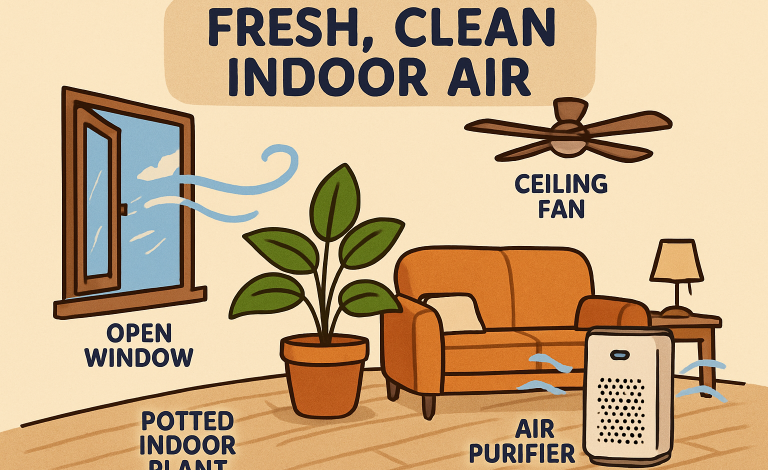
Introducing fresh outdoor air is one of the most powerful tools to fight indoor pollutants, according to the U.S. Environmental Protection Agency (EPA). When the outdoor air quality permits, open windows and doors to let air circulate and flush out stagnant pollutants. Exhaust fans in kitchens and bathrooms are crucial—they extract cooking fumes, moisture, and odors right at the source, preventing buildup and mold. However, avoid opening windows on high-pollen days or when outdoor pollution is elevated; rely on mechanical ventilation or air movers in these cases to maintain safe airflow.
See also: Security Camera Installation Made Easy: Wireless and Smart Options for Every Home
Controlling Humidity Levels
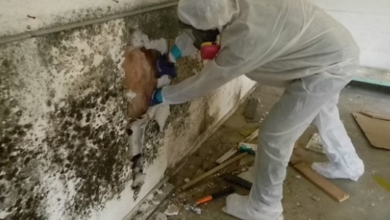
Moisture-rich environments are havens for allergens, such as mold, and pests, such as dust mites, which can impact comfort and health. Keep indoor humidity within the optimal range of 30% to 50% by using dehumidifiers in basements or other damp rooms. Properly vented bathrooms and kitchens, especially after showers or cooking, prevent condensation and inhibit mold growth. If you suspect a humidity problem, consider a digital hygrometer to track moisture levels and respond quickly.
Consumer Reports strongly advises addressing elevated moisture promptly, as unchecked humidity worsens respiratory symptoms and can lead to structural issues over time.
Utilizing Air Purifiers
Air purifiers—particularly those equipped with HEPA filters—are capable of capturing fine particles like pet dander, pollen, and even some bacteria. To maximize efficiency, install them in rooms where you spend the most time, like bedrooms or living spaces. Choose an appropriately sized unit and follow maintenance instructions for cleaning or replacing filters. For those sensitive to environmental triggers or prone to allergies, air purifiers are a valuable supplement to your overall air quality strategy. The Centers for Disease Control and Prevention (CDC) suggests that air purification, combined with ventilation, is one of the top ways to reduce exposure to airborne irritants indoors.
Incorporating Indoor Plants
Adding select houseplants can enhance your home’s visual appeal while boosting oxygen and trapping minor pollutants. Varieties such as snake plants, spider plants, and peace lilies are known for their air-cleaning properties. While helpful, indoor plants work best as part of a collection of air-quality approaches, not as a standalone solution. If you have pets, double-check that your plant selection is non-toxic to animals to keep your entire household safe.
Adopting Energy-Efficient Practices
Energy-efficiency upgrades benefit both indoor comfort and your wallet. Regular tune-ups for your HVAC system, sealing leaks in ducts and around windows, and investing in high-efficiency appliances reduce energy waste and the risk of pollutants entering your airflow. Consistent maintenance helps your HVAC perform safely and quietly, and stable indoor temperatures prevent the moisture swings that worsen indoor air quality. The U.S. Department of Energy notes that tuning your HVAC not only saves money but can help extend the lifespan of your entire system.
Conclusion
Improving air quality inside your home is a tangible, cost-effective goal. Consistent cleaning, effective ventilation, humidity control, strategic use of air purifiers and plants, and adopting energy-savvy practices ensure a healthy, comfortable environment for years to come. With these small changes, you protect your family’s health and enjoy peace of mind knowing the air you breathe is fresher, cleaner, and safer.