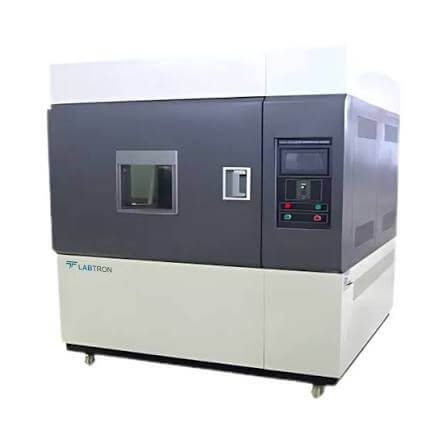
Owning a xenon chamber is one thing; using it effectively to generate reliable, meaningful test data is another. This guide offers practical guidance for labs looking to get the most value from their xenon weathering equipment.
Setting Up Test Parameters Correctly
Before running a test, confirming the correct light filter, irradiance level, black panel temperature target, and humidity cycle for your specific testing standard is essential, since misconfigured parameters can produce results that don’t reflect real-world conditions.
Positioning Specimens for Even Exposure
Specimen placement within the chamber affects exposure consistency. Rotating specimen position periodically throughout longer test cycles helps account for any minor variation in light intensity across the chamber’s interior.
Understanding Filter Selection
Different filters simulate different real-world lighting conditions, whether direct outdoor sunlight, sunlight through window glass, or other specific scenarios. Choosing the correct filter for your application is critical to generating relevant, accurate results.
Monitoring Throughout Long Test Cycles
Weathering tests often run for hundreds or thousands of hours, making periodic monitoring of chamber conditions, lamp performance, and specimen condition important for catching any equipment drift before it compromises the entire test.
Interpreting Results Meaningfully
Understanding how accelerated exposure hours correlate to real-world time, which varies by material and application, helps translate xenon chamber results into meaningful durability predictions rather than raw numbers alone.
For additional technical guidance on chamber operation and configuration, LIB Industry xenon chamber offers a useful reference point.
See also:Japan vs South Korea: Which Destination Is Better for Indian Travellers?
Common Mistakes That Compromise Test Validity
Running tests with an expired or improperly calibrated lamp, failing to maintain correct humidity cycling, or using the wrong filter for the application are among the most common errors that undermine result reliability.
Building Institutional Knowledge Around Chamber Use
Labs that document test parameters, results, and any equipment issues over time build valuable institutional knowledge that improves testing consistency and troubleshooting speed as staff turnover occurs.
Frequently Asked Questions
How often should specimen position be rotated during a long test? This depends on chamber design, but periodic rotation, often at set intervals throughout a multi-week test, helps ensure even exposure across all specimens.
What happens if the wrong filter is used for a test? Results may not accurately reflect the intended real-world exposure scenario, potentially leading to misleading durability predictions.
Why does black panel temperature matter more than ambient chamber temperature? It better reflects the actual surface temperature a material would experience under real sun exposure, which drives much of the degradation being tested.
Final Thoughts
Getting genuine value from a xenon chamber comes down to correct setup, careful monitoring, and thoughtful interpretation of results. Labs that invest in understanding these details consistently generate more reliable, actionable data.