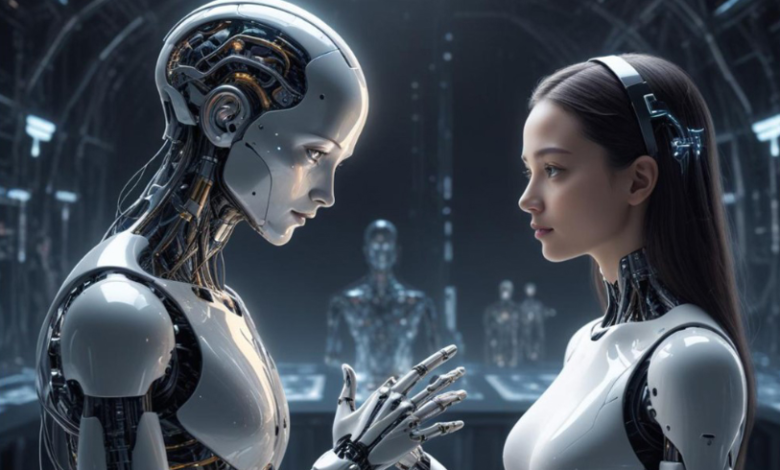
Artificial intelligence is rapidly evolving from a tool for processing data into a partner in our daily lives. As this technology becomes more integrated into everything we do, the focus is shifting. We are moving beyond just making AI smarter and more powerful. Now, the goal is to make it more relatable, intuitive, and empathetic. This evolution is leading to the rise of Humanized AI, a new approach that infuses technology with a distinctly human touch.
This article explores the concept of Humanized AI. We will define what it means, examine its significant benefits, and discover its real-world applications across various industries. By the end, you will understand why making AI more human is not just a novelty but a necessary step in the future of technology.
What is Humanized AI?
Humanized AI is the process of designing and developing artificial intelligence systems that interact, communicate, and behave in ways that feel natural to people. It’s not about making AI conscious or giving it feelings. Instead, it focuses on creating a user experience that is intuitive, empathetic, and engaging. Think of it as bridging the gap between a machine’s logic and human emotion.
The core idea is to move away from robotic, command-based interactions. A Humanized AI can understand context, recognize emotional cues, and communicate with nuance. This involves more than just processing language. It means incorporating elements of personality, showing empathy in customer service bots, or adapting its behavior based on a user’s tone of voice. Essentially, it transforms AI from a cold, distant tool into a helpful and approachable assistant.
The Benefits of Humanized AI
Integrating human-like qualities into AI systems offers substantial advantages for both businesses and users. By making technology more accessible and less intimidating, Humanized AI unlocks new levels of efficiency, engagement, and trust.
Enhancing User Experience
When technology feels more human, it becomes easier and more enjoyable to use. Humanized AI creates smoother interactions, reducing the friction that often comes with learning a new system. Virtual assistants that can understand conversational language or chatbots that show a sense of humor make users feel more comfortable. This improved experience leads to greater user adoption and satisfaction. People are more likely to use a tool that understands them and communicates on their level.
Building Trust and Connection
Trust is a critical component of any relationship, including the one between humans and technology. People are often wary of systems they perceive as cold or unpredictable. Humanized AI helps build trust by making its actions more transparent and its communication more empathetic. When a healthcare bot communicates with a patient in a caring tone or an educational tool offers encouragement, it fosters a positive connection. This bond makes users more willing to rely on AI for important tasks.
Improving Communication and Engagement
Traditional AI can sometimes feel like talking to a wall, with rigid responses and a lack of understanding. Humanized AI breaks down these barriers. It can interpret slang, sarcasm, and subtle emotional cues, leading to more meaningful and effective conversations. For content creators and marketers, this means generating text that resonates on a personal level. For customer service, it means resolving issues with a sense of empathy and understanding, which boosts customer loyalty and brand perception.
See also: Braze + post-click personalization: technical integration checklist
Applications of Humanized AI
The potential for Humanized AI spans nearly every industry. By adding a human touch, organizations can revolutionize how they operate and interact with their customers. Here are a few key areas where its impact is already being felt.
Revolutionizing Customer Service
Customer service is one of the most prominent fields for Humanized AI. Modern chatbots and virtual agents are no longer just for answering simple FAQs. They can handle complex queries, sense a customer’s frustration, and respond with an appropriate level of empathy. This allows human agents to focus on more challenging issues while the AI provides immediate, friendly, and effective support 24/7. This improves customer satisfaction and operational efficiency.
Transforming Healthcare
In healthcare, empathy and clear communication are vital. Humanized AI is making significant strides in this sector. AI-powered diagnostic tools can deliver information to doctors in a clear, collaborative way. Virtual health assistants can communicate with patients, reminding them to take medication or offering mental health support in a gentle and encouraging manner. These applications do not replace healthcare professionals but act as valuable assistants that improve patient care and engagement.
Innovating Education
Personalized learning is the future of education, and Humanized AI is a key driver of this trend. AI tutors can adapt to a student’s individual learning pace and style, offering encouragement and customized feedback. These systems can make learning more engaging by creating interactive and conversational educational experiences. By identifying where a student is struggling and providing help in an accessible way, AI can make education more effective and enjoyable for everyone.
The Future of Humanized AI
The journey toward fully Humanized AI is just beginning. As the technology continues to advance, we can expect even more sophisticated and seamless interactions. Future AI systems will likely become better at understanding complex social dynamics, cultural nuances, and non-verbal cues. This will open the door for AI to serve as a creative collaborator, a compassionate companion for the elderly, and an even more integrated partner in our personal and professional lives.
The ongoing development of Humanized AI represents a fundamental shift in our relationship with technology. By prioritizing empathy, relatability, and user-centric design, we are not just building smarter machines. We are creating tools that truly understand and enhance the human experience. As this trend continues, AI will become less of a “thing” we use and more of a partner we collaborate with, paving the way for a more connected and intuitive future.