Introduction to Precision Bending
In contemporary manufacturing, precision and efficiency are key factors that determine the success of metal fabrication operations. With evolving industrial needs, advanced machines have become crucial in achieving accurate bending and shaping of metal components. These machines streamline production, minimize material wastage, and improve overall workflow.
How Modern Machines Operate
Modern bending machines utilize mechanical, hydraulic, or computer-assisted systems to bend metal sheets into required shapes. Computer-controlled operations allow manufacturers to input specific parameters, ensuring uniformity across multiple pieces. This level of automation reduces manual errors and enhances productivity.
The programming of these machines enables precise control over bending angles, material thickness, and force application. Operators can store programs for recurring tasks, which speeds up production cycles and ensures consistent output.
Types of Bending Equipment
The industrial market offers a variety of bending machines, each designed for specific applications:
Mechanical Presses: Operate using gears and levers, suitable for simpler, lower-volume tasks.
Hydraulic Machines: Use fluid power to generate strong bending forces, ideal for thicker materials.
Computer-Assisted Machines: Integrate digital controls for accurate and repeatable bends, supporting complex designs.
The incorporation of computer-assisted systems has significantly elevated the precision and reliability of metal fabrication, making them a preferred choice for industries requiring high-quality results.
See also: The Rise of Humanized AI: Transforming Technology with a Human Touch
Key Benefits in Industrial Applications
The integration of modern bending machines into manufacturing workflows brings several advantages:
Accuracy: Digital controls ensure exact bend angles, minimizing defects.
Efficiency: Automation speeds up production and reduces manual labor requirements.
Material Versatility: Capable of bending a wide range of metals, from aluminum to heavy-duty steel.
Operational Consistency: Machines maintain high performance across extended production periods.
These advantages collectively enhance manufacturing efficiency while reducing operational costs and waste.
Choosing the Right Machine
Selecting an appropriate bending machine requires evaluating multiple factors:
Material Compatibility: Different machines handle different types of metal effectively.
Production Volume: High-volume industries need machines designed for continuous operation.
Precision Needs: For sectors like automotive or aerospace, minute deviations can affect performance, necessitating high-precision machines.
Maintenance Support: Machines with accessible service options reduce downtime and extend operational life.
Proper selection ensures long-term productivity and minimizes unexpected delays in the manufacturing process.
Integration with Factory Automation
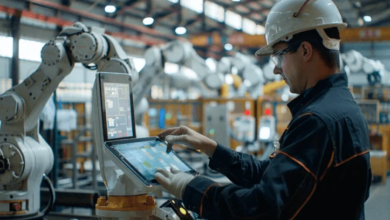
Modern production environments increasingly cnc press brake rely on interconnected systems. Many machines now feature digital interfaces that allow integration with broader manufacturing systems. This enables real-time monitoring, predictive maintenance, and workflow optimization, contributing to the development of smart factories. The ability to monitor performance remotely and adjust parameters enhances both safety and efficiency.
Safety and Sustainability Considerations
Safety has become a primary concern in industrial operations. Machines are designed with emergency stops, safety guards, and automated shut-off systems to protect operators. In addition, energy-efficient technologies reduce power consumption, promoting environmentally responsible manufacturing practices.
Training and Skilled Operation
Despite the automation of these machines, skilled operators remain essential. Training ensures that staff can program, operate, and troubleshoot the equipment efficiently. Combining human expertise with advanced technology maximizes output quality and reduces the likelihood of production errors.
Future Trends in Metal Fabrication
Emerging technologies are set to further transform the metal fabrication sector. Integration of artificial intelligence and machine learning could allow machines to optimize operations autonomously based on material properties and previous tasks. Advances in lightweight, energy-efficient design will also broaden application possibilities, making these machines adaptable to more specialized industrial needs.
Conclusion
The evolution of metal bending machines has significantly enhanced industrial fabrication processes. These machines offer precision, efficiency, and versatility, which are essential for modern manufacturing. Understanding their capabilities and applications enables industries to improve productivity while maintaining high-quality standards. As technology progresses, these machines will continue to play a pivotal role in shaping the future of industrial manufacturing.