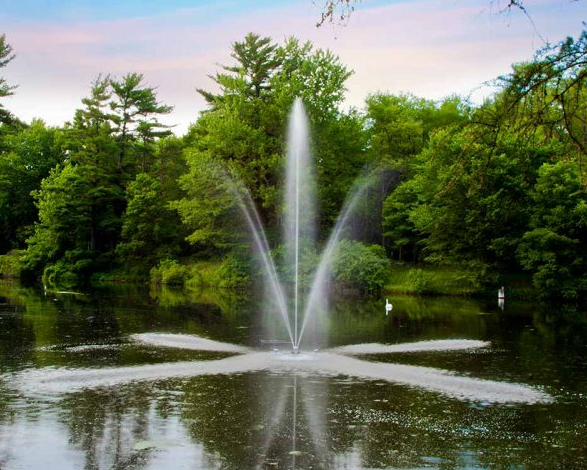
Outdoor living spaces have evolved dramatically over recent years. Homeowners now seek designs that blend beauty with purpose, creating environments that engage multiple senses. Water features have moved beyond simple decoration to become central elements in contemporary landscape planning. These installations now reflect broader design movements that prioritize intentional simplicity and atmospheric ambiance.
Modern water features align with several distinct trends that define today’s outdoor aesthetics. Kasco fountains and similar equipment now serve roles in creating spaces that feel both curated and natural. Property owners look for installations that add visual interest without overwhelming their landscapes. The shift toward mindful design means every element must justify its presence through function, beauty, or both in ways that feel organic to the overall environment.
The Rise of Minimalist Water Design
Clean Lines and Simple Forms: Today’s most sought-after water features embrace simplicity rather than ornate complexity. Geometric shapes, single-tier fountains, and streamlined basins create focal points without visual clutter. This approach works particularly well in modern landscapes where less truly becomes more through careful material selection and precise placement.
Neutral Material Palettes: Stone, concrete, and weathered metals dominate contemporary water feature design. These materials age gracefully and blend seamlessly with surrounding hardscaping. The natural patina that develops over time adds character rather than detracting from the overall aesthetic, making maintenance part of the design story rather than a burden.
Proportional Integration: Modern installations consider scale carefully, ensuring water features complement rather than dominate their settings. A modest fountain can create significant impact when positioned thoughtfully. This restraint reflects broader landscape trends that value cohesion and balance over individual statement pieces that compete for attention.
Illuminated Water Features After Dark
LED technology has transformed how water features function throughout the evening hours. Subtle lighting extends usability of outdoor spaces well past sunset. Warm white lights create inviting atmospheres, while color-changing options allow homeowners to adjust ambiance for different occasions. The interplay between light and moving water produces effects that static lighting simply cannot achieve.
Strategic Placement for Maximum Effect: Underwater lights positioned at fountain bases create dramatic upward illumination through cascading water. Side-mounted fixtures cast gentle glows across pond surfaces. The key lies in avoiding over-lighting, which can feel harsh and commercial rather than welcoming and residential in character.
Energy Efficiency Considerations: Modern LED systems consume minimal electricity while delivering impressive visual results. Solar-powered options have improved significantly, offering viable alternatives for locations where electrical access proves challenging. These advances make lighted water features practical choices rather than luxury additions that strain utility budgets or require extensive wiring projects.
Multi-Sensory Garden Design
Sound as a Design Element: Water features contribute auditory dimensions that transform outdoor spaces into true retreats. Gentle trickling from small fountains masks neighborhood noise and creates privacy through natural sound buffering. The specific sound produced depends on water volume, fall height, and surface materials, allowing customization to match preferences.
Movement and Visual Interest: Still ponds offer reflection and calm, while fountains and aerators introduce dynamic movement that catches the eye. This motion attracts beneficial wildlife, from birds seeking water sources to dragonflies patrolling for insects. The life that gathers around water features adds unpredictable, delightful moments to daily outdoor experiences.
Reflective Surfaces: Water acts as a natural mirror, doubling the visual impact of surrounding plantings and architectural elements. This reflection changes throughout the day as light shifts, creating an ever-evolving landscape feature. Strategic placement can reflect specific garden areas or sky views, adding depth to even compact outdoor spaces.
See also: The Future of Home Buying: Trends and Innovations Shaping the Market
Gentle Movement Over Dramatic Displays
Contemporary preferences favor subtlety in water feature operation. Rather than towering spray patterns, today’s installations often feature:
- Bubbling urns that create soft, continuous motion without splashing beyond their immediate area.
- Low-profile fountain heads producing dome or mushroom patterns that stay contained within basin perimeters.
- Aerator systems that improve water quality while creating gentle surface agitation rather than high plumes.
- Stream-style features mimicking natural waterways with rocks and gradual elevation changes.
Practical Installation Considerations for Modern Features
Site Assessment Requirements: Successful water feature installation begins with careful evaluation of available space, existing utilities, and sun exposure. Electrical access determines placement options for pumps and lighting. Proximity to trees affects maintenance requirements, as falling leaves can clog systems and create additional cleaning needs that some homeowners prefer to minimize.
Proper Pump Sizing: Proper pump sizing ensures features operate efficiently without wasting energy or creating excessive noise. Underpowered pumps fail to produce desired effects, while oversized units consume unnecessary electricity. Professional calculation of flow rates and head height requirements prevents costly mistakes that lead to disappointing results or shortened equipment lifespans.
Seasonal Adaptability: Climate considerations shape equipment selection and installation methods. Areas with freezing winters require features that drain completely or pumps that can be easily removed. Year-round operation in mild climates allows for different design choices. Understanding local conditions prevents damage and extends the functional life of all system components significantly.
Positioning Equipment as Design Partners
Water feature trends continue evolving as homeowners seek more from their outdoor investments. The movement toward multi-functional landscapes means every element must contribute to the overall vision. Features that looked impressive a decade ago may feel dated today if they prioritize spectacle over integration with their surroundings and the lifestyle needs of property owners.
Professional equipment providers understand these shifting preferences and can guide selections that align with current design thinking. The right fountain or aerator becomes more than a purchase but rather a long-term addition that grows more valuable as landscapes mature. Choosing gear that supports contemporary trends while offering reliability ensures satisfaction that extends well beyond the initial installation excitement.
Conclusion
Water features have become essential components in thoughtfully designed outdoor spaces. The trends shaping these installations prioritize simplicity, sensory engagement, and seamless integration with broader landscape visions. By understanding how modern water features function within contemporary design frameworks, property owners can make choices that deliver lasting value and enjoyment. Explore options that align with your specific outdoor vision and transform your landscape into a space that truly reflects current design sensibilities.