Introduction to Modern Metal Fabrication
Metal fabrication is a cornerstone of modern industry, impacting sectors from automotive to aerospace, construction, and electronics. Achieving precise bends in metal sheets is critical to producing high-quality components. As technology advances, press brakes have evolved from simple mechanical devices to highly sophisticated machines capable of complex operations with minimal human intervention.
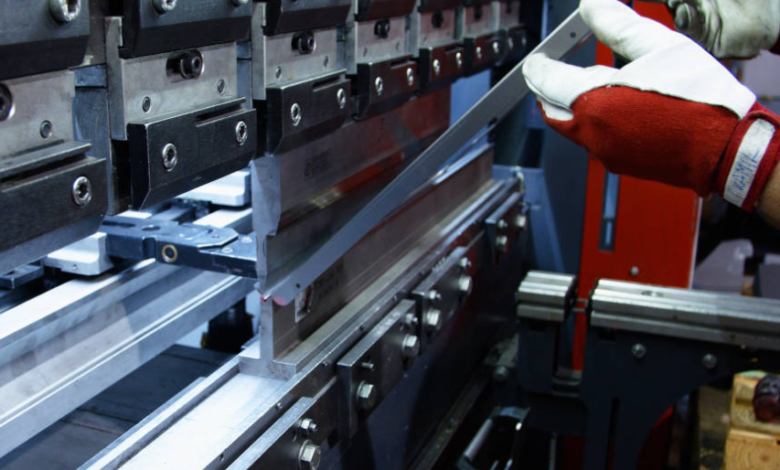
The 8 axis press brake represents a pinnacle of this evolution, offering enhanced control, accuracy, and efficiency for modern fabrication requirements.
Key Features of Advanced Press Brakes
Modern machines like the 8 axis press brake are packed with advanced features that set them apart:
- Multi-Axis Precision: Eight axes provide independent movement, allowing intricate bending of various sheet sizes and thicknesses.
- CNC Control: Computer numerical control enables programmed operations, repeatable accuracy, and reduced human error.
- Robust Structural Design: Strong frames reduce vibrations and improve the consistency of bends.
- Hybrid Drive Systems: Machines can utilize hydraulic, electric, or hybrid drives for smooth and powerful operation.
- Enhanced Safety Features: Safety systems such as light curtains, emergency stops, and protective guards ensure operator safety.
These characteristics make high-end press brakes ideal for industries requiring both precision and productivity.
Advantages Over Conventional Press Brakes
The benefits of machines with multiple axes, like the 8 axis press brake, include:
- Enhanced Accuracy: Fine-tuned control over each axis ensures precise angles and minimal deviation.
- Greater Efficiency: Automation reduces setup time and accelerates production cycles.
- Flexibility in Design: The machine can handle various materials, thicknesses, and complex bending sequences.
- Consistency in Production: CNC programming ensures repeatable results across large production batches.
- Reduced Labor Dependence: Automation and precision controls decrease reliance on operator skill alone.
These advantages make multi-axis press brakes indispensable for modern industrial fabrication.
Applications in Various Industries
The versatility of advanced press brakes extends across multiple industries:
- Automotive Manufacturing: Producing panels, brackets, and intricate components for vehicles.
- Aerospace: Creating lightweight and precise components for aircraft structures.
- Construction: Fabricating structural supports, architectural elements, and metal panels.
- Electrical Equipment: Manufacturing enclosures, control panels, and housings.
- Custom Fabrication: Enabling prototype development and small-batch production of precision parts.
These machines excel in operations that demand both complexity and accuracy.
See also: The Rise of Humanized AI: Transforming Technology with a Human Touch
How Multi-Axis Control Enhances Performance
The precision of an 8 axis press brake comes from the coordinated movement of its multiple axes:
- Back Gauge Positioning: Multiple axes allow precise placement of metal sheets for exact bends.
- Tool Alignment: Independent axis adjustment ensures accurate positioning of punches and dies.
- Complex Bends: Multi-step bending operations can be performed without repositioning the material manually.
- Real-Time Monitoring: CNC systems provide feedback and adjust movements to maintain precision throughout the operation.
This results in higher quality, reduced scrap, and more efficient production.
Selecting the Right Press Brake
Investing in an 8 axis press brake requires evaluating several factors:
- Number of Axes: Choose a machine that matches the complexity of your operations.
- Drive Mechanism: Hydraulic, electric, or hybrid systems affect precision, speed, and energy use.
- Software Capabilities: Advanced CNC software can simplify operation and reduce errors.
- Support and Maintenance: Manufacturer support and training are essential for long-term performance.
- Machine Durability: Strong frames and quality components ensure reliable operations over time.
Making an informed choice ensures the machine will meet production demands and deliver long-term value.
Maintenance Practices
To maintain optimal performance, regular upkeep is crucial:
- Inspection: Check for alignment, hydraulic integrity, and structural wear.
- Lubrication: Keeps moving parts operating smoothly and reduces wear.
- Software Updates: Ensure CNC systems are current to avoid malfunctions.
- Skilled Operators: Properly trained staff minimize errors and prevent machine damage.
A well-maintained press brake will provide consistent quality and reliability for years.
Economic and Productivity Benefits
High-end machines offer measurable financial advantages:
- Reduced Waste: Accurate bending reduces scrap material.
- Faster Production: Automated operations reduce cycle time.
- Labor Savings: Automation decreases the need for manual adjustments.
- Long-Term Reliability: Durable machines reduce downtime and repair costs.
These factors contribute to higher efficiency and lower overall production costs.
Future Trends in Press Brake Technology
Emerging trends in press brake technology include:
- Smart Manufacturing: Machines integrated with IoT for real-time monitoring and production optimization.
- Predictive Maintenance: Sensors detect issues before they result in costly downtime.
- Energy Efficiency: Electric and hybrid drives reduce energy consumption and environmental impact.
- Robotic Integration: Automated loading and unloading increase speed and safety.
The future promises even more precise, efficient, and sustainable metal fabrication processes.
Conclusion
The 8 axis press brake exemplifies the evolution of metal bending technology, offering unprecedented precision, flexibility, and productivity. By leveraging advanced multi-axis control, CNC integration, and robust design, these machines transform metal fabrication across industries. Proper selection, maintenance, and operation maximize performance and ensure manufacturers can meet the demands of modern production efficiently and reliably.