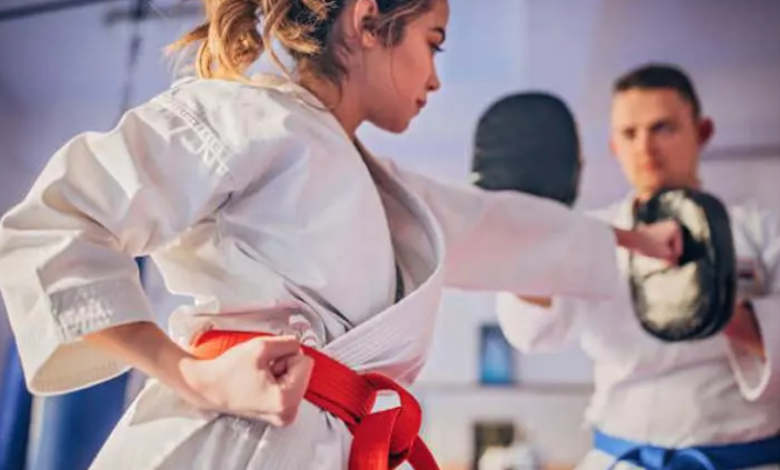
Leadership is a skill that benefits teenagers in every part of life. Whether they are working on group projects, participating in sports, preparing for college, or taking on their first job, strong leadership qualities help them communicate effectively, make responsible decisions, and inspire others. While many parents think leadership is something that develops naturally over time, it is actually a skill that can be taught and strengthened through consistent practice.
Enrolling in a martial arts school for Teens provides much more than physical training. Martial arts combines discipline, respect, responsibility, confidence, and teamwork in a structured environment that encourages young people to grow into capable leaders. For families in Surprise looking for activities that prepare teens for long-term success, martial arts offers valuable lessons that extend far beyond the training floor.
Leadership Begins with Self-Discipline
Every great leader first learns how to lead themselves. Martial arts teaches teenagers that success starts with personal responsibility. Students are expected to arrive on time, wear the correct uniform, pay attention during class, and give their best effort.
These daily habits help teens develop:
- Self-control
- Consistency
- Accountability
- Time management
- Personal responsibility
As these habits become routine, they naturally carry over into school assignments, extracurricular activities, and responsibilities at home.
Confidence Creates Better Leaders
Many teenagers struggle with self-doubt during middle school and high school. They may hesitate to speak in class, avoid leadership opportunities, or worry about making mistakes.
Training at a martial arts school for Teens helps students build genuine confidence through achievement. Every new technique learned, every belt earned, and every challenge overcome reminds students that progress comes from effort and persistence.
Unlike confidence based on popularity or appearance, martial arts develops confidence based on:
- Hard work
- Skill development
- Personal improvement
- Goal achievement
Confident teens are more willing to volunteer for leadership roles and take initiative in both school and community activities.
Learning Responsibility Every Class
Leadership requires responsibility. Martial arts instructors encourage teens to become role models by taking ownership of their actions and showing respect to everyone around them.
Students quickly learn that their behavior affects:
- Training partners
- Younger students
- Their instructors
- Their family
As they progress through higher belt levels, many students begin helping newer classmates during drills. This teaches patience, communication, and the importance of setting a positive example.
These experiences prepare teens for leadership opportunities both inside and outside the dojo.
Respect Builds Strong Leaders
One of the first lessons taught in martial arts is respect.
Students show respect by:
- Listening carefully
- Following instructions
- Encouraging classmates
- Practicing good sportsmanship
- Treating everyone with kindness
Respect is one of the most valuable qualities of successful leaders because it builds trust. Teachers, coaches, employers, and classmates are more likely to follow someone who demonstrates humility and respect for others.
Communication Skills Improve Naturally
Leadership depends on effective communication.
During martial arts classes, teens learn to:
- Listen actively
- Follow verbal instructions
- Ask thoughtful questions
- Encourage teammates
- Demonstrate techniques clearly
As students become more experienced, they often help explain drills to newer students, strengthening both their communication and leadership abilities.
These skills translate directly into classroom presentations, sports teams, and future workplace environments.
Goal Setting Teaches Long-Term Success
Martial arts uses a structured belt ranking system that teaches students how to set and achieve meaningful goals.
Rather than expecting instant success, teens learn to:
- Break large goals into smaller steps
- Practice consistently
- Accept constructive feedback
- Stay motivated through challenges
- Celebrate steady improvement
This mindset helps students succeed academically because they understand that lasting achievement requires patience and dedication.
Leaders know that progress comes one step at a time.
Problem-Solving Under Pressure
Life presents unexpected challenges every day.
Martial arts training introduces controlled situations where students must:
- Stay calm
- Think quickly
- Make smart decisions
- Adapt to changing circumstances
Instead of panicking when facing difficult situations, teens learn to remain focused and confident.
These problem-solving skills become valuable during:
- School exams
- Group projects
- Athletic competitions
- College preparation
- Everyday life challenges
Strong leaders remain calm under pressure, and martial arts helps develop that ability.
Teamwork Strengthens Leadership
Although martial arts emphasizes personal improvement, students spend much of their training working with partners and classmates.
Partner drills teach teenagers to:
- Cooperate
- Support each other’s progress
- Practice safely
- Encourage success
- Build trust
Leadership is not about controlling others—it is about helping everyone succeed together.
Martial arts reinforces this lesson every class.
Overcoming Failure Builds Resilience
Every teenager experiences setbacks.
They may struggle with:
- Difficult school subjects
- Athletic competition
- Social challenges
- Personal disappointment
Martial arts teaches that failure is simply part of learning.
Missing a technique or struggling during practice is viewed as an opportunity to improve rather than a reason to quit.
This resilience helps future leaders remain determined even when facing obstacles.
Instead of giving up, they learn to adjust, practice harder, and continue moving forward.
Leading by Example
The most respected leaders inspire others through their actions rather than their words.
As students advance in martial arts, they naturally become examples for newer students.
They demonstrate:
- Positive attitude
- Strong work ethic
- Respectful behavior
- Perseverance
- Integrity
Younger students often look up to higher-ranking belts, giving teens valuable experience serving as positive role models.
These leadership opportunities help build maturity and responsibility.
See Also: Solo Tennis Training Made Easy with Smart Ball Machines
Better Focus Leads to Better Decisions
Modern teenagers face constant distractions from phones, social media, and busy schedules.
Martial arts training encourages students to remain fully present during class.
Improved focus helps teens:
- Complete homework efficiently
- Listen better in class
- Stay organized
- Make thoughtful decisions
- Avoid impulsive behavior
Good leaders think carefully before acting, and martial arts strengthens that habit through regular practice.
Leadership Beyond the Dojo
The benefits of martial arts extend far beyond class.
Students often apply their leadership skills by:
- Helping classmates
- Mentoring younger siblings
- Participating in school clubs
- Serving their community
- Becoming dependable team members
Parents frequently notice improvements in responsibility, confidence, communication, and maturity after consistent training.
These life skills prepare teens for future success in college, careers, and personal relationships.
Why Parents in Surprise Choose Martial Arts
Families want activities that help teenagers become healthy, confident, and responsible adults.
A quality martial arts school for Teens offers an environment where students can safely develop important character traits while staying physically active.
Parents appreciate that martial arts teaches:
- Respect
- Confidence
- Leadership
- Discipline
- Responsibility
- Self-control
- Goal setting
- Teamwork
These qualities help teenagers become successful both inside and outside the classroom.
Conclusion
Leadership is not something reserved for adults—it begins during the teenage years through consistent practice, positive guidance, and meaningful experiences. Martial arts provides all of these in a supportive environment where students learn to lead themselves before leading others.
By enrolling in a martial arts school for Teens, families in Surprise give their children the opportunity to develop confidence, discipline, communication skills, resilience, and responsibility that will benefit them throughout school and into adulthood. The lessons learned on the training mat become lifelong habits, helping teens grow into capable leaders who are ready to face challenges, inspire others, and succeed in every stage of life.