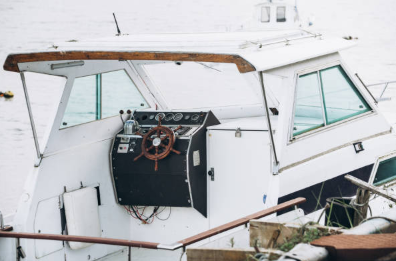
Marine safety is a top priority for every vessel owner, operator, and manufacturer. While engines provide the power necessary for propulsion and onboard systems, they also generate heat, fumes, and potentially hazardous vapors. Without proper airflow management, these byproducts can accumulate in the engine compartment, creating dangerous conditions. High-quality boat engine ventilation systems play a critical role in maintaining a safe, efficient, and reliable marine environment.
From recreational boats to commercial vessels, an effective ventilation system ensures proper air circulation, temperature control, and removal of combustible gases. Investing in a dependable marine ventilation solution is not only a matter of performance but also a crucial step toward safeguarding passengers, crew, and onboard equipment.
The Importance of Engine Compartment Ventilation
Boat engines operate in confined spaces that are exposed to constant vibration, moisture, and fluctuating temperatures. During operation, engines produce significant heat along with fuel vapors and exhaust gases. In gasoline-powered vessels, the accumulation of fuel vapors poses a serious explosion risk if not properly ventilated.
A high-quality ventilation system ensures that fresh air enters the engine compartment while hot air and fumes are expelled efficiently. Proper airflow helps regulate temperature, prevent overheating, and reduce strain on engine components. It also minimizes condensation buildup, which can lead to corrosion and electrical failures.
Inadequate ventilation can result in:
- Overheating and reduced engine efficiency
- Increased fuel consumption
- Accelerated component wear
- Dangerous vapor accumulation
- Higher risk of fire or explosion
By contrast, a well-designed ventilation system enhances both safety and overall vessel performance.
Key Components of a Boat Engine Ventilation System
A marine engine ventilation system typically consists of several essential components that work together to maintain optimal airflow. These include:
- Intake vents
- Exhaust vents
- Blowers or fans
- Ducting and hoses
- Vent covers and louvers
Intake vents allow fresh air to enter the engine compartment, supplying oxygen for combustion and cooling. Exhaust vents remove hot air and fumes, maintaining balanced airflow. Marine-grade blowers are often installed to actively circulate air, particularly in gasoline-powered boats where vapor removal is critical before engine startup.
Blowers are typically operated for several minutes before starting the engine to ensure that any accumulated fuel vapors are cleared from the compartment. High-quality systems use ignition-protected blowers specifically designed for marine environments, ensuring safe operation even in the presence of flammable gases.
Enhancing Safety Through Proper Airflow
Safety is the primary reason for installing a high-quality engine ventilation system. Gasoline vapors are heavier than air and tend to settle in the bilge or lower areas of the engine compartment. Without adequate ventilation, these vapors can accumulate to explosive levels.
A properly engineered ventilation system continuously removes these vapors and introduces fresh air, reducing the risk of ignition. Additionally, efficient airflow helps disperse heat, lowering the chance of fire caused by overheated components.
Marine safety regulations often require ventilation systems in gasoline-powered vessels. Compliance with these standards not only ensures legal operation but also provides peace of mind for boat owners and operators.
Temperature Control and Engine Efficiency
Engines generate substantial heat during operation. Excessive heat within the engine compartment can negatively affect performance and shorten equipment lifespan. High temperatures may damage wiring, hoses, seals, and electronic components.
High-quality boat engine ventilation systems help maintain optimal operating temperatures by promoting consistent airflow. By preventing heat buildup, these systems allow engines to perform efficiently and reliably. Improved cooling also reduces the likelihood of thermal stress and component fatigue.
In performance vessels, proper ventilation can contribute to more stable engine output and consistent power delivery. By maintaining a balanced engine environment, ventilation systems support overall vessel reliability.
Durable Materials for Harsh Marine Conditions
Marine environments present unique challenges. Saltwater exposure, humidity, and UV radiation can degrade materials over time. High-quality ventilation systems are constructed from corrosion-resistant materials such as marine-grade plastics, stainless steel, or coated aluminum.
Ducting and hoses must be flexible yet durable enough to withstand vibration and temperature fluctuations. Vent covers and louvers should resist corrosion while providing effective protection against water intrusion.
Using premium materials ensures that ventilation components maintain their structural integrity and performance over extended periods. This durability reduces maintenance requirements and enhances long-term safety.
Noise Reduction and Comfort
In addition to safety and performance, ventilation systems can contribute to onboard comfort. Engine compartments can amplify mechanical noise, which may affect passengers and crew. Modern ventilation designs incorporate features that minimize noise transmission while maintaining efficient airflow.
Strategically placed vents and insulated ducting can reduce vibration and sound levels. Quiet, high-efficiency blowers further enhance comfort without compromising performance. For recreational vessels and luxury boats, this added comfort significantly improves the overall boating experience.
See also: Driving Digital Transformation Through Integrated Business Platforms
Custom Ventilation Solutions for Different Vessels
Every vessel has unique structural and operational characteristics. Engine size, compartment layout, fuel type, and intended use all influence ventilation requirements. Custom-designed ventilation systems ensure optimal airflow based on these factors.
For example, high-performance boats may require enhanced cooling capabilities due to increased engine output. Commercial vessels operating for extended hours may need robust systems capable of continuous operation. Smaller recreational boats benefit from compact yet efficient ventilation components that fit within limited space.
Custom solutions address these varying needs by optimizing vent placement, blower capacity, and duct routing. This tailored approach maximizes both safety and performance.
Maintenance and Inspection
Routine inspection and maintenance are essential for ensuring ventilation system reliability. Over time, debris, salt deposits, or moisture buildup can obstruct airflow. Regularly checking vents, blowers, and ducting helps prevent blockages and mechanical failures.
Blower motors should be tested periodically to ensure proper operation. Vent openings must remain clear and free from damage. Replacing worn hoses or corroded components promptly maintains system effectiveness and reduces safety risks.
Proactive maintenance extends the life of ventilation systems and ensures continued compliance with marine safety regulations.
Long-Term Value and Peace of Mind
Investing in a high-quality boat engine ventilation system delivers long-term value by protecting both equipment and occupants. Reduced engine wear, improved efficiency, and enhanced safety all contribute to lower operating costs and greater reliability.
Beyond financial considerations, proper ventilation provides peace of mind. Knowing that your vessel is equipped with a dependable system designed to prevent vapor buildup and manage heat allows you to focus on navigation and enjoyment rather than potential hazards.
Conclusion
High-quality boat engine ventilation systems are essential for maintaining marine safety, optimizing engine performance, and ensuring onboard comfort. By promoting efficient airflow, removing hazardous vapors, and controlling engine compartment temperatures, these systems play a vital role in protecting both people and equipment.
Constructed from durable, marine-grade materials and tailored to meet specific vessel requirements, reliable ventilation solutions provide long-lasting performance in challenging marine environments. Whether for recreational boating or commercial operations, investing in an advanced engine ventilation system is a critical step toward safer and more efficient voyages.
To learn more about dependable boat engine ventilation solutions designed for maximum safety and performance, contact us today and discover how the right system can enhance your vessel’s reliability and long-term protection.