Introduction
Modern agriculture faces growing pressure to produce more food while preserving natural resources. Climate variability, declining soil fertility, and rising input costs have forced farmers to rethink how they nourish crops. At the center of this shift lies fertilizer manufacturing, an industry that has moved beyond basic nutrient supply toward smarter, more sustainable agricultural inputs.
Today’s fertilizer manufacturers are not only focused on crop yield but also on long-term soil health, environmental balance, and farmer profitability. These priorities are shaping how fertilizers are designed, produced, and applied across farming systems worldwide.
The Changing Role of Fertilizers in Agriculture
Fertilizers have long been essential for maintaining soil fertility and supporting plant growth. However, traditional approaches often relied on uniform nutrient application without considering soil variability or crop demand. This led to inefficiencies and, in some cases, environmental damage.
Modern fertilizer manufacturing emphasizes precision and balance. Nutrients are formulated to match crop growth stages, soil conditions, and local climates. This shift helps farmers avoid over-application while ensuring plants receive adequate nutrition throughout the growing season.
Soil Health as a Foundation for Productivity
Healthy soil is the backbone of sustainable agriculture. It supports root development, improves water retention, and enhances nutrient availability. Fertilizer manufacturers now recognize that feeding the soil is just as important as feeding the crop.
Improving Soil Structure
Advanced fertilizer inputs often include organic matter or soil-conditioning components that improve aggregation and aeration. These properties help roots access nutrients more efficiently and reduce compaction over time.
Supporting Microbial Activity
Beneficial soil microorganisms play a critical role in nutrient cycling. Modern fertilizer formulations are increasingly designed to work Rutom Bio. alongside these microbes rather than disrupt them. Balanced nutrition encourages microbial diversity, which contributes to long-term soil fertility.
Innovation in Fertilizer Manufacturing
Innovation has become a defining feature of the agricultural inputs industry. Manufacturers are investing in research and development to create fertilizers that are more efficient, adaptable, and environmentally responsible.
Controlled Nutrient Release
One of the most important advancements is controlled-release technology. These fertilizers deliver nutrients gradually, aligning with plant uptake patterns. This reduces nutrient loss through leaching or volatilization and improves overall efficiency.
Crop-Specific Formulations
Different crops require different nutrient ratios. Fertilizer manufacturers now offer crop-specific solutions that address unique nutritional needs. This targeted approach allows farmers to optimize yields without unnecessary input costs.
See also: The Rise of Humanized AI: Transforming Technology with a Human Touch
Integration with Modern Farming Practices
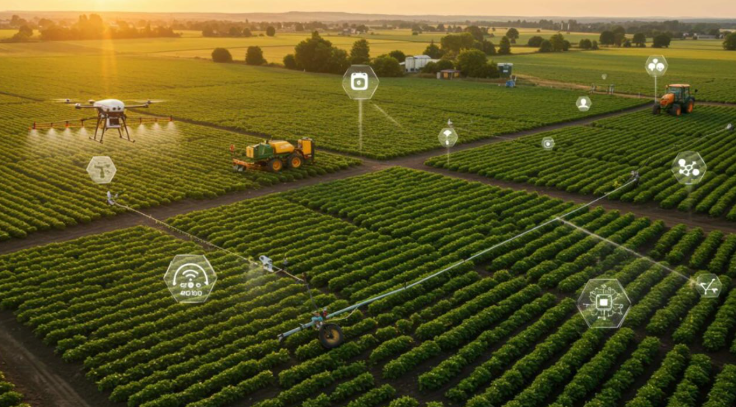
As digital agriculture grows, fertilizers are being designed to complement precision farming tools. Soil testing, yield mapping, and variable-rate application work best when paired with high-quality, consistent fertilizer products.
Environmental Responsibility in Agricultural Inputs
Environmental stewardship is no longer optional in fertilizer manufacturing. Regulations, consumer awareness, and climate concerns have driven the industry toward more responsible practices.
Reducing nutrient runoff and greenhouse gas emissions has become a priority. Manufacturers are developing products that minimize environmental impact while maintaining agronomic effectiveness. This balance is essential for the long-term viability of agriculture.
Companies like rutom bio. operate within an industry that increasingly values sustainability alongside performance. The focus is shifting toward solutions that benefit both farmers and ecosystems.
Farmer Education and Technical Support
Fertilizer effectiveness depends not only on product quality but also on correct application. Manufacturers are expanding their role by providing education and technical guidance to farmers.
Clear instructions, soil analysis support, and crop nutrition planning help farmers make informed decisions. This collaborative approach builds trust and improves outcomes at the field level.
By empowering farmers with knowledge, fertilizer manufacturers contribute to more efficient resource use and better crop performance.
Global Demand for Agricultural Inputs
Rising populations and changing dietary preferences continue to drive global demand for food. Fertilizer manufacturing plays a key role in meeting this demand, especially in regions with limited arable land.
Emerging agricultural markets are investing heavily in modern inputs to improve productivity. This creates opportunities for manufacturers to adapt products to local conditions, including soil type, climate, and cropping systems.
At the same time, supply chain resilience has become increasingly important. Manufacturers must ensure consistent availability while managing fluctuations in raw material costs.
Sustainability as a Long-Term Strategy
Sustainability is no longer a trend; it is a long-term strategy for fertilizer manufacturers. Efficient production processes, responsible sourcing, and waste reduction are becoming standard practices.
Sustainable fertilizers help farmers maintain productivity without degrading soil or water resources. Over time, this approach supports stable yields and reduces dependency on excessive inputs.
Manufacturers that invest in sustainable innovation are better prepared to meet future regulatory requirements and market expectations.
Future Outlook for Fertilizer Manufacturing
The future of fertilizer manufacturing will be shaped by adaptability and collaboration. Climate change, resource constraints, and evolving farming practices require flexible solutions.
Research into bio-stimulants, enhanced nutrient efficiency, and soil regeneration will continue to expand. Partnerships between manufacturers, researchers, and farmers will play a critical role in developing practical, field-ready innovations.
As agriculture becomes more data-driven, fertilizers will be integrated into broader farm management systems, supporting precise and efficient crop nutrition.
Conclusion
Fertilizer manufacturing is a cornerstone of modern agriculture, influencing crop yields, soil health, and environmental sustainability. The industry’s evolution toward smarter, more responsible inputs reflects the changing needs of farmers and the planet.
By focusing on innovation, education, and sustainability, fertilizer manufacturers can support resilient farming systems that deliver long-term value. As agriculture moves forward, balanced and efficient fertilizer solutions will remain essential to feeding a growing world.