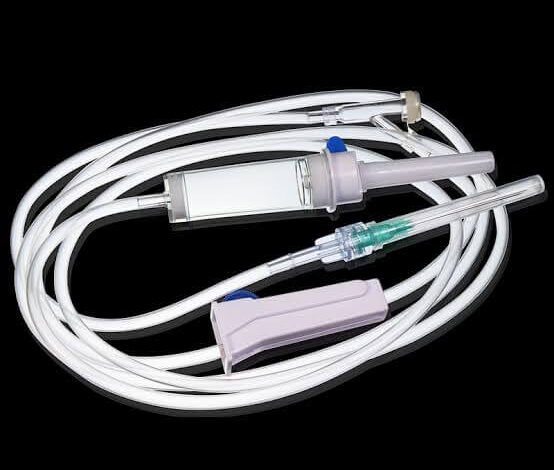
Examining how IV administration sets have evolved over recent decades provides valuable context for understanding current design standards and the safety and efficiency considerations that have shaped modern equipment used throughout everyday clinical practice.
Early Design Foundations
Early intravenous administration equipment established the fundamental principles still reflected in modern iv set design, including gravity-fed flow control and visual flow rate observation, though early equipment generally lacked many of the safety and precision features that clinical staff now depend on as standard expectations.
Advances in Material Science Supporting Better Performance
Ongoing advances in medical-grade plastic materials have supported meaningful improvements in administration set performance, including better optical clarity for drip chambers, more reliable and consistent roller clamp mechanisms, and improved tubing flexibility and durability characteristics compared to materials available in earlier equipment generations.
Integration of Enhanced Safety Features
Modern administration sets increasingly incorporate safety-focused design elements beyond basic fluid delivery function, including needleless injection port systems reducing needlestick risk, enhanced air filtration features, and in many cases, compatibility with electronic infusion pump systems providing additional precision and safety monitoring capability beyond gravity-fed administration alone.
Standardization Supporting Interoperability
The broader adoption of standardized connector systems, particularly luer-based connections, has supported greater interoperability across different manufacturers’ products, allowing healthcare facilities more procurement flexibility compared to earlier eras when proprietary connector systems might have created more vendor lock-in for certain equipment categories.
Specialization for Diverse Clinical Applications
Modern administration set product lines have expanded considerably to address diverse specialized clinical needs, including pediatric-specific sets, blood administration sets with appropriate filtration, and various other specialized configurations addressing specific clinical application requirements rather than relying on a single generic design across all use cases.
Regulatory Standards Shaping Current Design
Contemporary IV set design operates within an established regulatory framework requiring manufacturers to validate safety and performance through defined testing protocols, reflecting the accumulated understanding of clinical risk and appropriate mitigation that has developed alongside the broader evolution of infusion therapy practice.
See also: Hospital and Medical Software Development Trends Transforming Healthcare in the UAE
Continued Evolution and Future Considerations
Administration set design continues evolving, with ongoing attention to further safety enhancement, material sustainability considerations, and continued integration with increasingly sophisticated electronic monitoring and pump systems, suggesting continued meaningful development in this fundamental clinical equipment category going forward.
Conclusion
The modern IV administration set reflects decades of accumulated design evolution, incorporating material science advances, enhanced safety features, and standardization supporting broader healthcare procurement flexibility. Understanding this evolutionary context provides valuable perspective on current design standards and the continued development likely to shape future equipment generations.
FAQs
Q1: What safety features distinguish modern IV sets from earlier generations? Modern sets increasingly incorporate needleless injection port systems, enhanced air filtration, and often compatibility with electronic infusion pumps providing additional precision and monitoring capability.
Q2: How has connector standardization affected IV set procurement? Broader adoption of standardized luer-based connections has supported greater interoperability across manufacturers, providing healthcare facilities more procurement flexibility compared to earlier proprietary systems.
Q3: What areas continue driving IV set design evolution? Ongoing development includes further safety enhancement, material sustainability considerations, and continued integration with increasingly sophisticated electronic monitoring and pump systems.