The rashie has become one of the most common and versatile items in any beach bag, worn by surfers, swimmers, kids, and anyone wanting reliable sun protection in the water. Despite being such a wardrobe staple, there is more to choosing and using one well than most people realise. Getting the fit, fabric, and style right makes a real difference to both comfort and protection. This guide covers what a rashie is, what it is for, how it should fit, what to wear under it, and how to choose the right one for your needs.
What Is a Rashie?
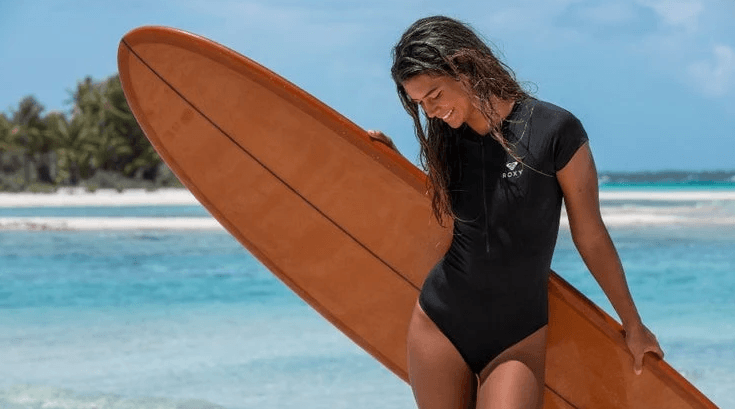
A rashie, also known as a rash guard or rash vest, is a thin, fitted, quick-dry top designed mainly for sun protection and to prevent chafing in and around the water. It originated with surfers, who wore it to stop their boards rubbing against the skin, and has since moved firmly into everyday beach and swimwear for people of all ages. Lightweight and fast-drying, a rashie is comfortable to wear both in the water and out of it, which is a big part of why it has become so popular.
What Is a Rashie Used For?
A rashie has several core jobs. Its main purpose is sun protection, shielding your skin from UV rays during long days outdoors. It also prevents chafing, whether from a surfboard, sand, or equipment, and provides a little warmth along with quick-drying comfort. This makes it ideal for surfing, swimming, snorkelling, and paddling, as well as general beach and pool wear for the whole family. A good rashie can be worn all day, in and out of the water, which is exactly what makes it such a practical and versatile piece of gear.
Do Rashies Protect You From the Sun?
Sun protection is one of the biggest reasons people wear a rashie, and quality ones deliver. A good rashie typically offers UPF 50+, which blocks the large majority of UV rays reaching your skin. This provides more reliable and longer-lasting cover than sunscreen alone, particularly in the water where sunscreen washes off and needs constant reapplication. It is worth noting that the level of protection depends on both the fit and the fabric, so a snug, quality rashie will protect you better than a loose or low-grade one.
How Should a Rashie Fit?
Fit matters more than many people expect. A performance rashie should fit snugly against the skin without restricting your movement. A rashie that is too loose will ride up, chafe, and reduce the sun protection it offers, defeating much of its purpose. That said, relaxed fit styles do exist for those who prefer a looser, more casual feel for lounging or light beach wear. The right fit comes down to how you plan to use it, with a snug fit best for active use and a relaxed fit fine for casual days.
What Do You Wear Under a Rashie?
This is a common and practical question, and the answer depends on preference and activity. Many people wear swimwear underneath, such as a bikini top, a swimsuit, or boardshorts. Men often wear nothing extra beneath it, while others prefer a swim top for added coverage and support. There is no single right answer, so it comes down to what feels comfortable for you and what suits the activity. For active watersports, a secure layer underneath helps everything stay in place.
Rashie vs Wetsuit: What’s the Difference?
The two are often confused, so it is worth clarifying. A rashie is thin and designed primarily for sun and chafe protection, offering only minimal warmth. A wetsuit, by contrast, is made from thick neoprene and built to keep you warm in cold water. They serve different purposes, and in fact a rashie can be worn under a wetsuit to add comfort and reduce chafing. If warmth is your priority you need a wetsuit, whereas if sun protection and comfort in warm water are the goal, a rashie is the right choice.
Types of Rashie
Rashies come in several styles to suit different needs:
- Short sleeve, offering cooler coverage for warm days.
- Long sleeve, providing maximum sun protection for the arms.
- Fitted or performance styles, best for active use and sun protection.
- Relaxed fit styles, suited to casual, comfortable wear.
There are also options tailored for men, women, and kids, so the whole family can find the right fit. Choosing between them comes down to how much coverage you want and how you plan to use it.
How to Choose the Right Rashie
A few factors will guide you to the right choice. Check the UPF rating, aiming for UPF 50+ for the best sun protection. Decide on sleeve length based on how much coverage you want, and choose between a fitted or relaxed style depending on your activity. Look for quality quick-dry fabric and flat seams, which help prevent chafing during longer wear. Matching these features to how and where you will use the rashie ensures you end up with one that performs the way you need it to.
How to Care for Your Rashie
Caring for a rashie is simple and extends its life. Rinse it in fresh water after each use to remove salt and chlorine, both of which can degrade the fabric over time. Dry it in a shaded spot rather than in harsh direct sun, and avoid aggressive washing that can wear down both the material and its UPF protection. These small habits keep your rashie performing well and looking good for far longer.
Frequently Asked Questions
What is a rashie used for?
It protects against the sun and prevents chafing in and around the water, and is used for surfing, swimming, snorkelling, paddling, and general beach and pool wear.
Do rashies protect you from the sun?
Yes. Quality rashies typically offer UPF 50+, blocking most UV rays and providing more reliable, longer-lasting cover than sunscreen alone in the water.
How should a rashie fit?
A performance rashie should fit snugly without restricting movement. A loose one rides up and chafes, though relaxed fit styles exist for casual comfort.
What do you wear under a rashie?
Usually swimwear such as a bikini top, swimsuit, or boardshorts. It comes down to activity and personal preference.
Bringing It All Together
A rashie is a versatile, quick-dry top that protects against both sun and chafing, making it one of the most useful items you can own for time spent in and around the water. The right one comes down to fit, UPF rating, and how you plan to use it, with styles to suit every member of the family. Whether you are heading out to surf, swim, or simply relax at the beach, explore a rashie range and find the one that fits how you like to spend your time.